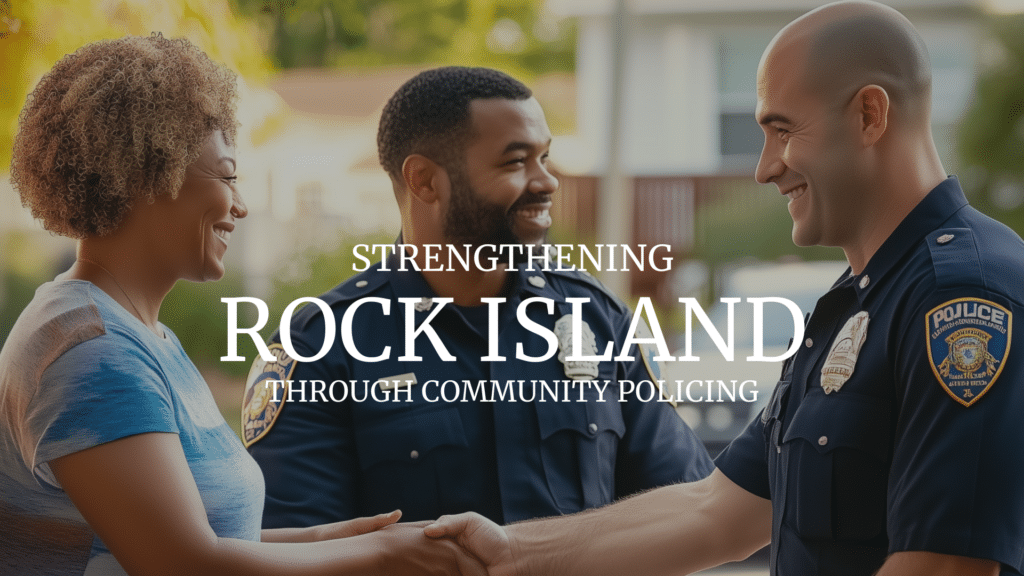
How Officers on Remote Islands Handle Rare Cases
How Officers on Remote Islands Handle Rare Cases – Life on a remote island often moves at a slower pace. The population is small, everyone knows each other, and serious incidents rarely occur. Yet when unusual situations arise, local officers must be ready to respond quickly and professionally. Unlike police departments in major cities, officers stationed on isolated islands often work with limited resources, small teams, and long distances between communities.
Despite these challenges, law enforcement officers on remote islands develop unique methods to handle rare cases effectively. Their approach relies heavily on adaptability, strong community relationships, and creative problem-solving. Understanding how these officers operate reveals an interesting side of policing that many people rarely consider.
The Unique Challenges of Island Law Enforcement
Working in a remote location comes with obstacles that officers in large urban departments seldom face. Geography alone creates complications. Remote islands may be accessible only by boat, small aircraft, or infrequent ferry services. If a serious incident occurs, backup support can take hours—or even days—to arrive.
Limited infrastructure also affects investigations. Many small islands lack advanced forensic facilities, large detention centers, or specialized investigative units. Officers must often handle everything themselves, from initial response to evidence collection and interviews.
Weather conditions can make matters even more complicated. Storms, high tides, and rough seas sometimes delay transportation, meaning suspects, witnesses, or evidence cannot be moved quickly to mainland facilities. Officers must remain patient while maintaining control of the situation.
Despite these limitations, many remote island departments maintain surprisingly high standards of professionalism and efficiency.
Strong Community Connections Make a Difference
One of the greatest advantages officers have on small islands is their relationship with the community. In many cases, local officers know most residents personally. This familiarity creates a level of trust that helps during investigations.
When rare cases occur—such as a serious theft, suspicious disappearance, or unusual maritime incident—community members are often willing to share information quickly. Because residents feel connected to local authorities, they tend to cooperate more openly.
Community awareness also acts as an informal surveillance network. People on small islands naturally notice unfamiliar visitors or unusual activity. If something seems out of place, word travels fast. Officers can use this network of local knowledge to gather valuable leads that might otherwise take much longer to uncover.
Handling Rare Crimes with Limited Resources
Rare cases require careful coordination, especially when resources are limited. Officers on remote islands often rely on creative strategies to manage these situations effectively.
First, they prioritize immediate safety and stabilization. Securing the scene and ensuring no further harm occurs is always the top priority. Once the situation is under control, officers begin gathering evidence using portable kits and documentation tools.
Communication with mainland authorities plays a crucial role. Even though officers may initially handle the situation independently, they frequently coordinate with regional police departments or national agencies for specialized support.
Digital technology has made this process much easier. Officers can now share photos, reports, and forensic details electronically with experts located hundreds of miles away. This allows specialists to provide guidance without needing to travel immediately.
Collaboration with Regional Authorities
While island officers are highly capable, certain investigations require additional expertise. Complex cases involving cybercrime, homicide, or organized smuggling often require cooperation with larger law enforcement agencies.
Regional task forces may deploy investigators, forensic teams, or legal experts when necessary. However, because travel logistics can be complicated, the local officers typically maintain control of the initial investigation.
Their familiarity with the island environment becomes extremely valuable. They understand the terrain, know the local population, and can identify patterns of behavior that outside investigators might overlook.
This collaboration ensures that even rare or serious crimes receive proper attention while maintaining efficiency in remote locations.
Maritime Incidents and Unusual Emergencies
Remote islands frequently face unique cases connected to the surrounding ocean. Maritime incidents are among the most common unusual events officers must manage.
These incidents may involve stranded boats, missing fishermen, or vessels drifting into local waters under suspicious circumstances. Officers often coordinate closely with coast guard units or marine patrol teams during these situations.
Search and rescue operations require careful planning. Officers must track weather patterns, tidal movements, and possible drift routes when searching for missing vessels or individuals.
Because every minute matters during maritime emergencies, officers rely heavily on communication with nearby ships, harbor workers, and fishermen who may have witnessed something important.
Medical and Humanitarian Situations
Not every rare case involves crime. Officers on remote islands often act as first responders during medical emergencies or humanitarian situations.
If a visitor becomes seriously ill or injured, officers may assist local medical teams while arranging transportation to mainland hospitals. In extreme cases, they help coordinate helicopter evacuations or emergency boat transfers.
Lost hikers, stranded tourists, and boaters who underestimate the island environment also require assistance. Officers must remain calm and resourceful while ensuring the safety of everyone involved.
These situations highlight how the role of island officers often extends far beyond traditional policing duties.
Adaptability Is the Key to Success
The most important skill for officers working on remote islands is adaptability. Every case is different, and unexpected challenges are common. Officers must be prepared to solve problems creatively and remain flexible when circumstances change.
For example, an investigation might require traveling across rough terrain, coordinating with fishermen for transportation, or temporarily converting local buildings into holding areas or command centers.
Because teams are usually small, officers also develop multiple skills. They may act as investigators, mediators, rescue coordinators, and community liaisons all within the same week.
Training programs for island officers often emphasize independence and decision-making. Without immediate supervision from large departments, officers must rely on their experience and judgment to manage situations responsibly.
Technology Helps Bridge the Distance
Modern technology has significantly improved the way remote island officers handle rare cases. Satellite communication, digital reporting systems, and drone surveillance have reduced many logistical barriers.
Drones, for example, can help search large coastal areas quickly during missing person cases. Satellite phones ensure communication remains possible even when traditional networks fail.
Online databases also allow officers to check records, verify identities, and access legal resources instantly. These tools bring remote departments closer to the capabilities of larger mainland agencies.
While technology cannot replace physical resources entirely, it helps officers make faster decisions and coordinate with external support when necessary.
A Different Style of Policing
Policing on remote islands offers a unique perspective on law enforcement. Officers must balance authority with community relationships, independence with cooperation, and patience with rapid response.
Rare cases may not occur frequently, but when they do, island officers are prepared to handle them with professionalism and creativity. Their ability to adapt, build trust within the community, and work with limited resources demonstrates the resilience of law enforcement in even the most isolated places.
For many officers, the experience is both challenging and rewarding. Each case presents a new puzzle to solve, often in environments where teamwork and local knowledge matter just as much as traditional investigative techniques.
In the end, remote island policing proves that effective law enforcement is not defined solely by size or resources. It is defined by dedication, adaptability, and a deep commitment to protecting the communities they serve.
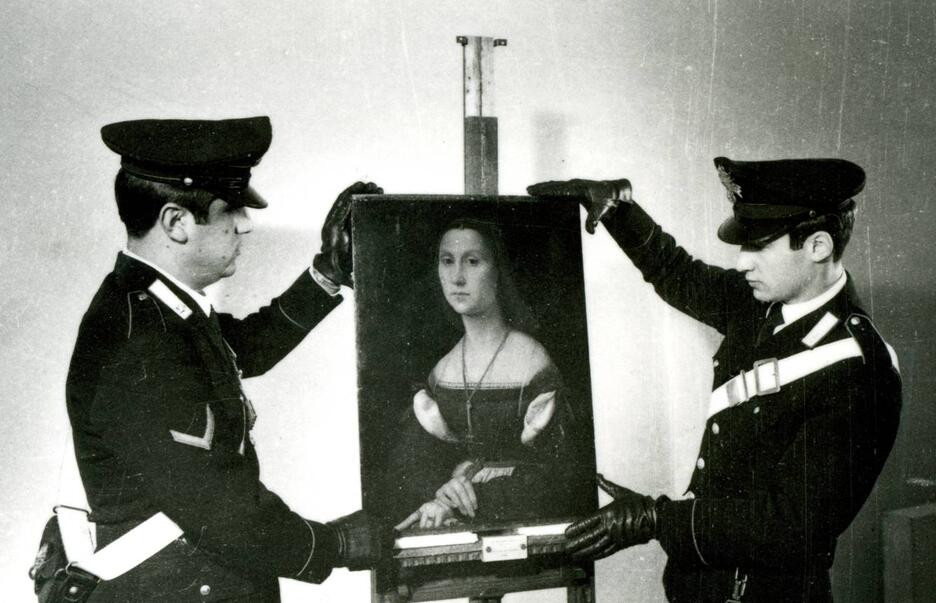
The Role of Police in Protecting Cultural Heritage and Artifacts
The Role of Police in Protecting Cultural Heritage and Artifacts – Cultural heritage is more than just old buildings, ancient statues, or priceless paintings. It is the living memory of a nation. From sacred temples to historical manuscripts, every artifact tells a story about who we are and where we come from. That is why protecting cultural heritage is not only the responsibility of historians or museum curators, but also law enforcement agencies.
Across the world, police forces play a crucial role in safeguarding cultural property from theft, vandalism, illegal excavation, and international trafficking. Organizations such as INTERPOL and UNESCO actively work with national police units to prevent cultural crimes that threaten humanity’s shared history. While cultural protection might seem like a niche task, it is in fact a growing global security concern.
In this article, we explore how police protect cultural heritage and artifacts, why their role is increasingly important, and how communities can support these efforts.
Why Cultural Heritage Protection Matters
Cultural artifacts are not simply objects with monetary value. They carry emotional, spiritual, and historical importance. When a sculpture is stolen from a temple or an ancient manuscript disappears from a library, the loss affects an entire community.
Crimes against cultural heritage are often linked to organized crime networks. Looted antiquities may be sold on the black market to private collectors. In some regions, profits from illegal artifact sales have even been connected to funding extremist activities. This makes cultural heritage protection not only a cultural issue but also a matter of national and international security.
The destruction of heritage sites in conflict zones has shown how fragile history can be. When ancient landmarks are damaged or destroyed, they cannot truly be replaced. Police forces are often the first line of defense in preventing such irreversible losses.
The Expanding Role of Police in Cultural Protection
Traditionally, police focused on general crime prevention. However, the increasing sophistication of art theft and antiquities smuggling has required specialized knowledge and training.
Specialized Art and Heritage Crime Units
Many countries have established dedicated art crime units within their police departments. These units are trained to investigate art theft, track stolen artifacts, and collaborate with museums and international agencies.
One of the most well-known examples is the art crime team within the Federal Bureau of Investigation. The FBI’s Art Crime Team investigates cases involving stolen paintings, cultural artifacts, and fraudulent art sales. Their work has led to the recovery of millions of dollars’ worth of stolen cultural property.
Similarly, in Europe, law enforcement agencies work closely with Europol to combat cross-border trafficking of cultural goods. These coordinated efforts are crucial because stolen artifacts often move quickly across national borders.
Preventing Illegal Excavation and Looting
In many countries rich in archaeological sites, illegal excavation is a serious problem. Looters often dig at night, damaging sites and removing artifacts without documentation. Once removed from their original context, these objects lose much of their historical value.
Police patrol vulnerable heritage areas, especially in regions known for archaeological significance. They also collaborate with local communities to report suspicious activities. In some cases, police use drones, surveillance systems, and geographic tracking tools to monitor protected sites.
Preventing looting is not just about catching criminals. It is also about preserving scientific knowledge. Proper excavation requires careful documentation by trained archaeologists. When looters interfere, valuable historical information is permanently lost.
International Cooperation Against Art Trafficking
Cultural property crime rarely stops at national borders. A stolen statue might be smuggled to another continent within days. This is why international cooperation is essential.
INTERPOL maintains a global database of stolen works of art. Police agencies around the world can access this database to identify recovered objects and track stolen items. This system has helped return thousands of artifacts to their rightful owners.
UNESCO also plays a key role by promoting international conventions that regulate the trade of cultural property. Police rely on these legal frameworks to seize illegally exported artifacts and facilitate repatriation.
A strong example of international commitment is the 1970 UNESCO Convention, which aims to prevent the illicit import, export, and transfer of ownership of cultural property. Law enforcement agencies use this convention as a legal basis for cooperation and artifact recovery.
The Challenges Police Face
Protecting cultural heritage is not always straightforward. Police officers often face several challenges in this field.
First, identifying authentic artifacts requires expertise. Officers may need assistance from art historians, archaeologists, or museum experts to confirm whether an item is genuine and historically significant.
Second, online marketplaces have made it easier to sell stolen artifacts anonymously. Digital platforms allow traffickers to reach global buyers quickly. Police must adapt by developing cyber investigation skills and monitoring suspicious online transactions.
Third, limited resources can be an obstacle. Not all countries have specialized art crime units. In some regions, cultural heritage protection competes with other urgent law enforcement priorities.
Despite these challenges, many police forces are investing more resources into heritage protection, recognizing its importance for national identity and global cooperation.
Community Involvement and Public Awareness
Police cannot protect cultural heritage alone. Community involvement is essential. Local residents often know their heritage sites better than anyone else. When they report suspicious activities, law enforcement can act quickly.
Public awareness campaigns also play a crucial role. When collectors understand the risks of buying undocumented artifacts, the demand for looted items decreases. Responsible collecting practices can significantly reduce illegal trafficking.
Museums and cultural institutions frequently collaborate with police to improve security systems. Surveillance cameras, inventory documentation, and secure storage facilities help prevent theft before it occurs.
Educational programs in schools and universities can also foster respect for cultural heritage from a young age. When people understand the value of history, they are more likely to protect it.
Technology and the Future of Cultural Heritage Protection
Modern technology is transforming how police safeguard artifacts. Digital databases, satellite monitoring, and advanced forensic tools help track stolen items more effectively than ever before.
Artificial intelligence can assist in identifying suspicious sales patterns online. Blockchain technology is being explored to create transparent ownership records for artworks and artifacts. These innovations could significantly reduce fraud and illegal trade.
Facial recognition systems, improved border inspections, and data-sharing agreements between countries are strengthening global protection networks. As criminals become more sophisticated, police must continue to innovate.
A Shared Responsibility
The role of police in protecting cultural heritage and artifacts goes far beyond routine law enforcement. It involves international cooperation, specialized training, community engagement, and technological advancement.
Cultural heritage represents the identity and history of entire civilizations. When artifacts are stolen or destroyed, humanity loses a piece of its collective memory. By working with organizations like INTERPOL, UNESCO, and national agencies such as the Federal Bureau of Investigation, police forces around the world are building stronger systems to prevent cultural crimes.
Ultimately, protecting cultural heritage is a shared responsibility. Governments, law enforcement, museums, collectors, and communities must work together to ensure that future generations can learn from and appreciate the treasures of the past.
By understanding the important role police play in safeguarding cultural property, we can better support their efforts and help preserve the stories that define our world.
Hot News!
Tentu saja togel279 menyediakan pasaran togel terlengkap dengan sistem transparan dan telah mendapat mandat resmi dari otoritas regional.
Istilah slot777 sering digunakan pemain untuk menyebut permainan slot yang sedang memiliki peluang kemenangan lebih tinggi dari biasanya.
situs togel 178 resmi terpercaya
Ayo bergabung di togel 279 yaitu situs togel pasaran paling lengkap, menang pasti dibayar full.