Indonesia’s Police Force Explained: A Guide to Every Major Unit

Indonesia’s Police Force Explained: A Guide to Every Major Unit | Indonesia has one of the largest and most complex police organizations in Southeast Asia. Known as the Indonesian National Police, or Polri, the institution is responsible for maintaining public security, enforcing the law, preventing crime, managing traffic, and providing a wide range of services to the public.

But Polri is not a single uniformed force performing the same job everywhere.
It is made up of numerous specialized units, each with different responsibilities. Some officers investigate crimes, others manage traffic, gather intelligence, control public disorder, patrol communities, or respond to high-risk situations.
Understanding these units makes it much easier to understand how Indonesia’s police system works.
1. The Indonesian National Police
At the top of the organization is the Kepolisian Negara Republik Indonesia, commonly abbreviated as Polri.
Polri operates throughout Indonesia, from the national headquarters in Jakarta to regional police commands, city and district police departments, and local police stations.
Its broad responsibilities include maintaining public order, preventing and investigating criminal activity, protecting citizens, and providing police services.
The organization is structured so that specialized functions can operate at both national and regional levels.
2. Bareskrim: Criminal Investigation
The Bareskrim Polri, or Criminal Investigation Agency, is one of the most important law-enforcement components within Polri.
Its role focuses on criminal investigations and the handling of serious and complex criminal cases.
Investigators can work on cases involving areas such as:
- General criminal offenses
- Economic and financial crimes
- Cybercrime
- Organized crime
- Corruption-related offenses
- Narcotics investigations
- Other major criminal cases
At the local level, similar investigative responsibilities are handled by criminal investigation units within regional and district police organizations.
3. Intelkam: Intelligence and Security
Intelkam, short for Intelligence and Security, performs a very different role from criminal investigators.
Its work involves collecting, analyzing, and managing information related to security and public order.
Intelligence functions can help police identify potential threats before they develop into larger security problems.
The unit may also be involved in security-related administrative and information functions.
In simple terms, while investigators often focus on understanding crimes that have already occurred, intelligence units are heavily concerned with information and potential security developments.
4. Samapta: Preventive Policing and Patrol
Samapta is one of the police functions most closely associated with visible preventive policing.
Its responsibilities include activities such as patrols, public security, guarding, escort duties, and crowd management.
Officers working in this area can be seen performing routine patrols or responding to public-order situations.
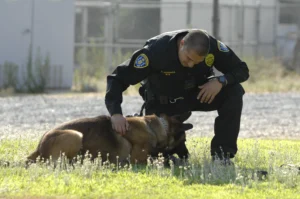
At the regional level, Samapta can also include specialized capabilities such as crowd-control teams and police animal units.
The basic philosophy is prevention: maintaining a visible police presence and responding to disturbances before they become more serious.
5. Lalu Lintas: Traffic Police
Indonesia’s traffic police operate under the Korps Lalu Lintas, commonly known as Korlantas.
Their responsibilities extend far beyond issuing traffic tickets.
Traffic police deal with road safety, traffic enforcement, driver and vehicle registration, public education, and traffic management.
They are also responsible for helping manage traffic during major events, accidents, congestion, and other situations affecting road users.
For most members of the public, traffic police are among the most frequently encountered parts of Polri.
6. Brimob: Mobile Brigade Corps
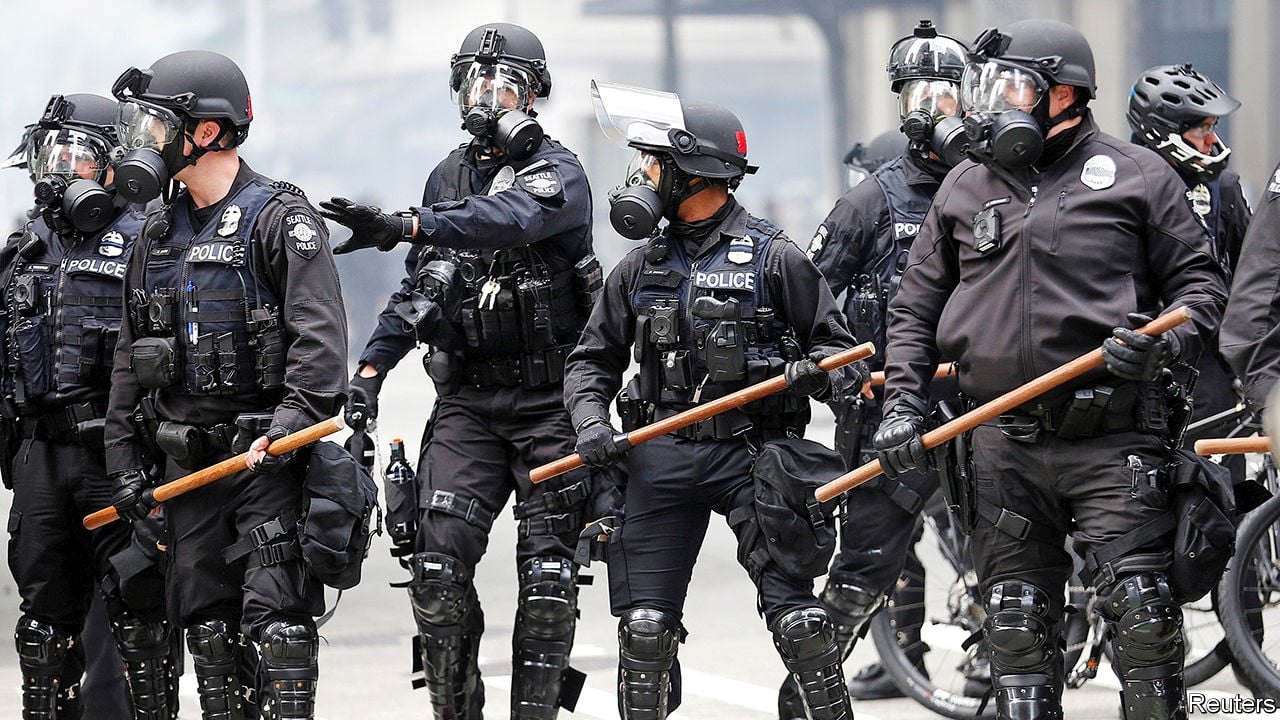
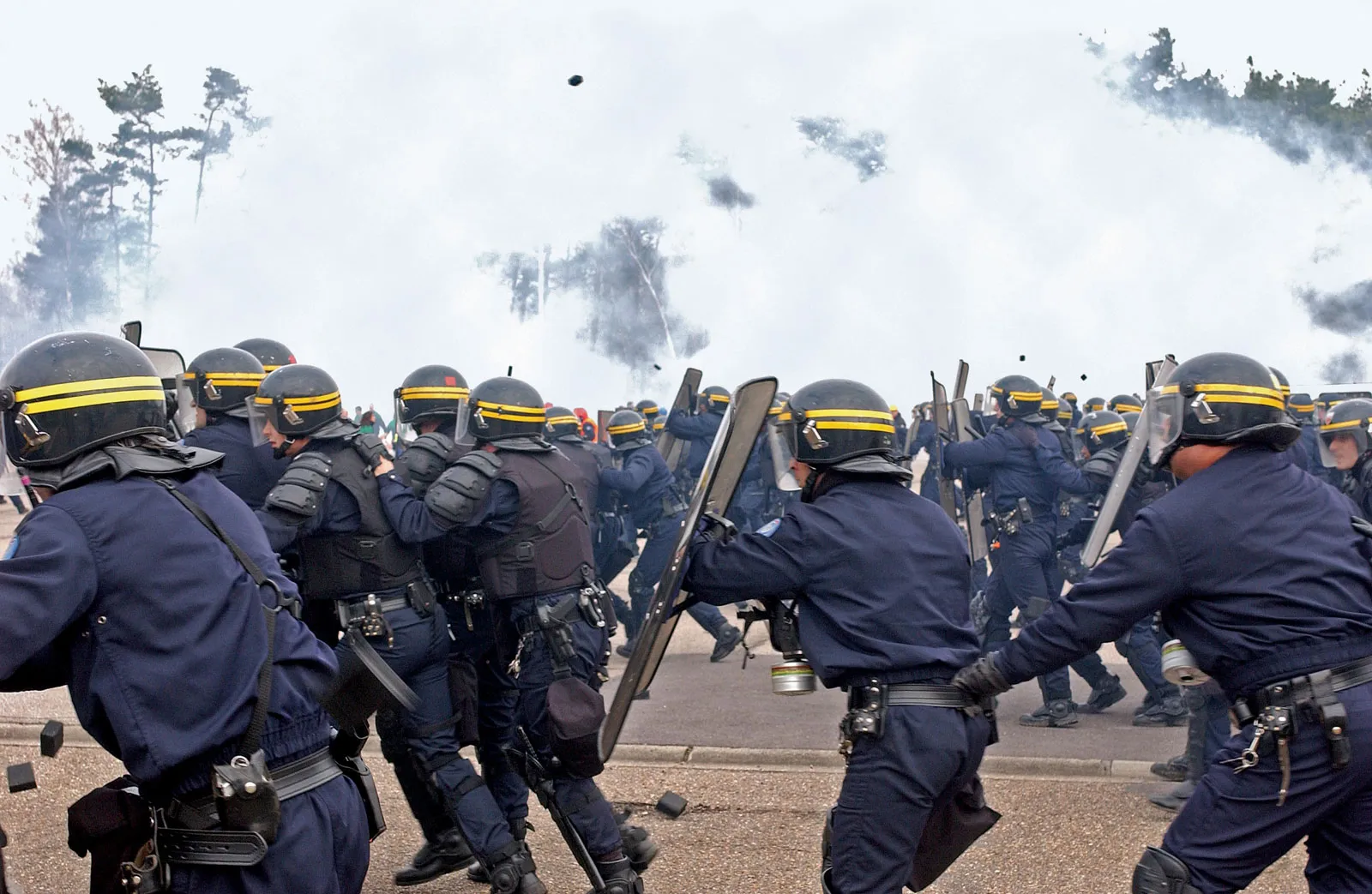
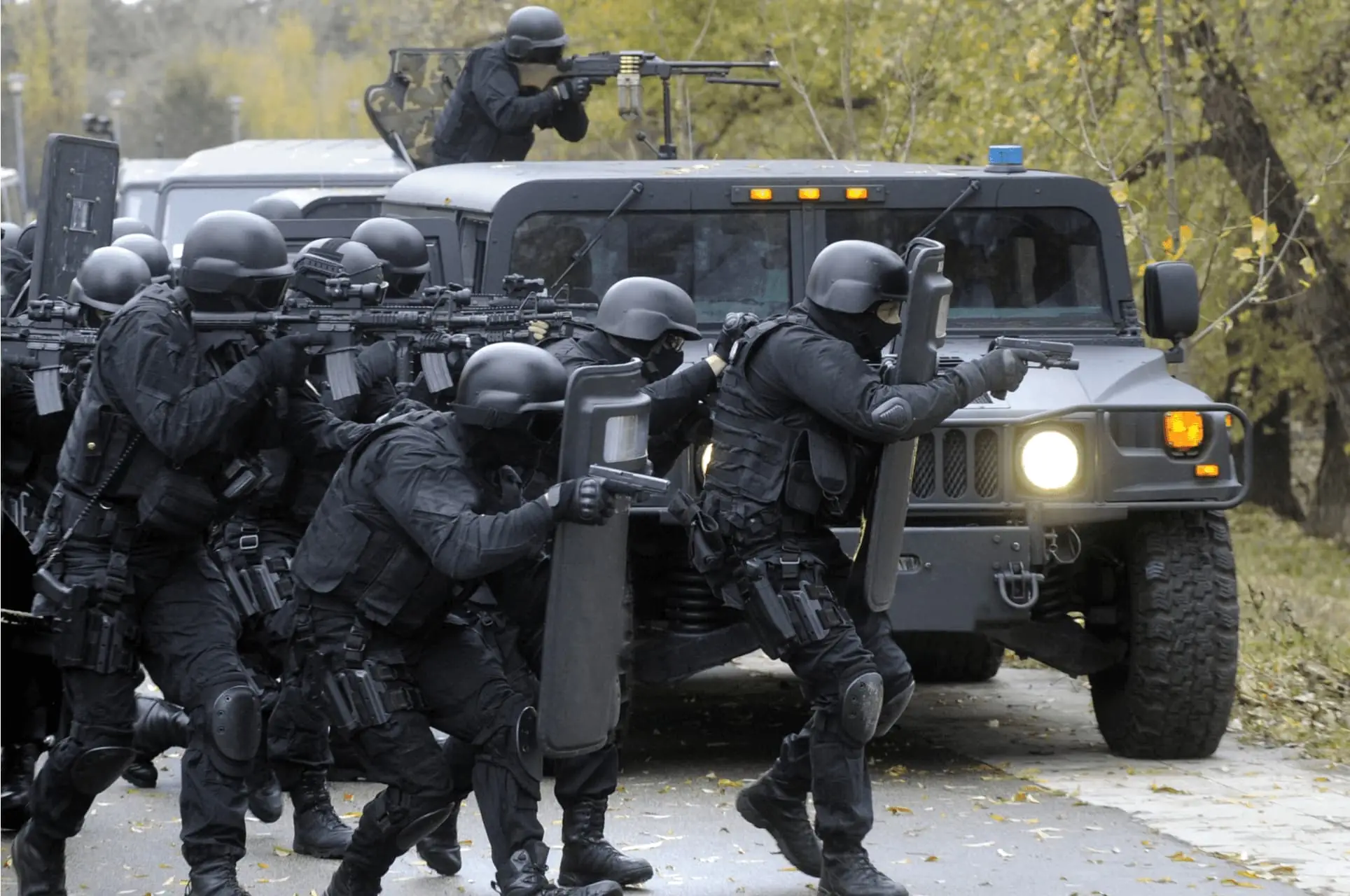
The Korps Brigade Mobil, better known as Brimob, is a specialized police force designed to deal with high-intensity security situations.
Brimob can be deployed when ordinary policing capabilities are not sufficient to handle a particular threat.
Its responsibilities can include dealing with serious public disorder, high-risk security situations, and other major threats to domestic security.
Brimob contains specialized capabilities, including units associated with bomb disposal and chemical, biological, and radiological response.
Because of its specialized role, Brimob is generally associated with situations requiring greater equipment, training, and operational capability.
7. Densus 88: Counterterrorism
Densus 88 Anti Teror is Indonesia’s specialized counterterrorism unit.
Its responsibilities include intelligence, prevention, investigation, and law-enforcement operations related to terrorism.
Unlike ordinary police units, Densus 88 focuses specifically on terrorist threats.
Its work can involve intelligence gathering, investigations, coordination with other agencies, and operations against suspected terrorist networks.
Counterterrorism is one of the most specialized areas within Indonesia’s law-enforcement system.
8. Binmas: Community Policing
Binmas, or Community Guidance, focuses on relationships between police and the public.
Rather than concentrating primarily on arrests and investigations, Binmas emphasizes communication, prevention, education, and community participation.
Officers can work with schools, community organizations, local leaders, businesses, and residents.
The goal is to build cooperation so that security problems can be identified and addressed before they become serious crimes.
This makes Binmas an important part of preventive policing.
9. Polairud: Water and Air Policing
Indonesia is an enormous archipelago, so policing cannot be limited to roads and cities.
The Polisi Perairan dan Udara, or Polairud, handles policing responsibilities involving waters and certain air-related operations.
Its work can include maritime security, patrols, law enforcement in waters, search-and-rescue support, and protection of communities in coastal and island regions.
This function is particularly important because Indonesia consists of thousands of islands and has an enormous maritime area.
10. Pamobvit: Vital Object Security
Pamobvit, short for Pengamanan Objek Vital, focuses on the security of important facilities and locations.
These can include strategically important infrastructure, industrial facilities, transportation facilities, and other locations considered vital to public or national interests.
The purpose is to reduce security risks around locations where disruption could have significant consequences.
This unit illustrates how modern policing involves protecting infrastructure as well as individual citizens.
11. Narcotics Units
Indonesia also has specialized police units dealing with narcotics crimes.
At the national level, narcotics investigations are handled through specialized structures within Polri, while regional and district police have their own narcotics investigation units.
These units investigate the production, distribution, and trafficking of illegal drugs.
Their work can involve surveillance, intelligence, investigations, arrests, evidence collection, and cooperation with other law-enforcement organizations.
12. Propam: Professional Standards and Internal Security
Not every police unit exists primarily to deal with the public.
Propam, or the Professional and Security Division, has an internal oversight role.
Its responsibilities include professional discipline and matters involving police personnel.
This function is important because police organizations need mechanisms for monitoring their own members and responding to alleged violations.
In other words, Polri has internal systems designed to ensure that officers themselves are subject to professional and disciplinary standards.
13. Humas: Public Relations
The Humas division handles public communication.
Modern police organizations need to communicate with the public, especially during major incidents, investigations, emergencies, and significant security operations.
Humas can provide official information, respond to media inquiries, explain police activities, and communicate institutional policies.
In the age of social media, this function has become increasingly important.
Police agencies must now communicate not only through traditional news organizations but also through digital platforms.
14. SPKT: The Public’s First Point of Contact
The Sentra Pelayanan Kepolisian Terpadu, or SPKT, functions as an important public-service point.
It is where members of the public can access various police services, including reporting incidents and making complaints.
For ordinary citizens, SPKT may be one of the most important parts of the police organization because it provides a direct point of interaction with law enforcement.
While specialized units may handle the investigation afterward, SPKT can be where a case or complaint begins.
15. Sat Tahti: Detainees and Evidence
Sat Tahti is responsible for matters involving detainees and evidence at the district police level.
Its functions can include managing detainees and handling certain aspects of the storage and administration of evidence.
Although this unit receives less public attention than investigators or traffic police, it plays an important administrative and operational role in the criminal justice process.
16. Police Medical Services
Polri also has medical and forensic capabilities.
Police medical services can support investigations through examinations, identification procedures, health services, and forensic-related activities.
These capabilities are particularly important in cases involving injuries, deaths, unidentified individuals, and other situations where medical expertise is required.
This shows that modern policing is not limited to officers carrying out patrols or making arrests.
It also depends on specialists working behind the scenes.
17. The Police Structure at the Local Level
Polri’s structure becomes easier to understand when looking at its territorial organization.
At the national level is the central police organization.
Below it are regional police commands known as Polda.
Under Polda are Polres, which generally operate at the city or district level.
Below Polres are Polsek, which serve local areas.
At the Polres level, the organization can include specialized units such as:
- Satreskrim
- Satresnarkoba
- Satintelkam
- Satsamapta
- Satlantas
- Satbinmas
- Satpolairud
- Satpamobvit
- Sattahti
This structure allows national police functions to be implemented locally.
18. Why So Many Specialized Units?
At first, the number of different units can seem confusing.
But modern policing involves many different types of threats.
Traffic accidents require different expertise from terrorism investigations.
A cybercrime investigation requires different skills from crowd management.
Maritime security requires different equipment from community policing.
Creating specialized units allows officers to develop expertise in particular areas while still operating within one national police organization.
How the Major Units Work Together
The most important thing to understand is that these units generally don’t operate completely independently.
A major criminal case could involve intelligence personnel gathering information, investigators building a case, forensic specialists analyzing evidence, and public-relations officers communicating official information.
A major public event could involve traffic police managing roads, Samapta maintaining public order, intelligence units monitoring security developments, and Brimob providing additional support if the situation becomes highly dangerous.
This cooperation allows Polri to respond to problems that require several different capabilities at once.
Indonesia’s police force is far more complex than the familiar image of an officer directing traffic or responding to a crime.
Polri is a large organization made up of specialized functions covering criminal investigation, intelligence, traffic management, community policing, maritime security, counterterrorism, public order, internal discipline, and many other areas.
Each unit has a different role, but they ultimately contribute to the same broad mission: maintaining security, enforcing the law, and providing services to the public.
Understanding these major units provides a clearer picture of how policing works across Indonesia.