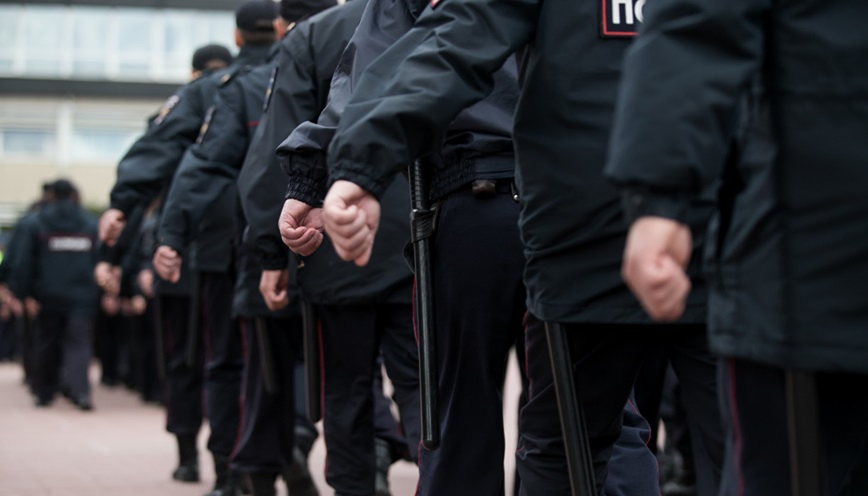
Global Police Forces and Law Enforcement Systems – Police forces play a crucial role in maintaining order, enforcing laws, and protecting citizens across the globe. While the basic mission of law enforcement is similar everywhere, the structure, authority, and methods of police forces vary widely from one country to another. These differences are shaped by history, culture, legal systems, and political frameworks. Understanding global police forces and law enforcement systems provides valuable insight into how societies manage public safety and justice.
The Role of Police Forces in Modern Society
At their core, police forces exist to uphold the law and ensure public safety. This includes crime prevention, investigation, traffic control, crowd management, and emergency response. In many countries, police officers are also responsible for community engagement, disaster response, and counterterrorism efforts.
Modern law enforcement has expanded beyond traditional patrol duties. Today, police forces often work closely with intelligence agencies, cybersecurity units, and international organizations to address cross-border crimes such as human trafficking, drug smuggling, cybercrime, and terrorism. This evolution reflects how crime itself has become more global and complex.
Differences in Law Enforcement Systems Worldwide
Although police forces share similar goals, their systems differ significantly depending on national governance and legal traditions.
Centralized vs Decentralized Police Systems
Some countries operate under centralized law enforcement systems where a national police force handles most policing duties. Examples include France, Japan, and South Korea. In these systems, policies, training, and command structures are controlled at the national level, ensuring uniform standards across the country.
In contrast, decentralized systems are common in countries like the United States, Germany, and Canada. Here, law enforcement is divided among federal, state, and local agencies. Local police departments handle everyday policing, while federal agencies focus on national-level crimes. This structure allows flexibility but can sometimes lead to coordination challenges.
Civil Law and Common Law Influences
Legal traditions also shape policing styles. Countries following civil law systems, such as those in continental Europe, tend to emphasize codified laws and formal procedures. Police officers often work closely with prosecutors and investigative judges.
In common law countries like the United Kingdom and the United States, police have more discretion in decision-making, particularly during investigations. This difference influences arrest procedures, evidence handling, and interactions with the public.
Community Policing and Public Trust
Community policing has become a global trend in recent decades. This approach focuses on building trust between police officers and local communities through regular interaction, transparency, and collaboration. Countries such as Japan are often cited for successful community-based policing, where local police stations serve as neighborhood hubs for assistance and communication.
Public trust is a key factor in effective law enforcement. In regions where police forces are viewed as fair and accountable, citizens are more likely to cooperate and report crimes. On the other hand, countries facing issues like corruption or excessive use of force often struggle to maintain legitimacy, which weakens overall security.
Accountability and Oversight Mechanisms
Many countries have implemented oversight bodies to monitor police conduct and investigate misconduct. These may include independent review boards, internal affairs divisions, or civilian complaint commissions. Strong accountability systems help ensure that police forces operate within legal and ethical boundaries, reinforcing public confidence.
Training and Professional Standards
Police training varies widely across the world. In some countries, officers undergo extensive education that includes law, ethics, psychology, and conflict resolution. Nordic countries, for example, are known for long training periods and a strong emphasis on human rights.
In other regions, limited resources can result in shorter training programs and fewer opportunities for professional development. This gap can affect how police officers handle complex situations, especially those involving vulnerable populations or civil unrest.
Use of Technology in Law Enforcement
Technology has become an essential part of modern policing. Surveillance systems, body cameras, forensic databases, and artificial intelligence tools are increasingly used to improve efficiency and transparency. Interpol and other international organizations facilitate information sharing between police forces, helping track criminals across borders.
However, the use of advanced technology also raises concerns about privacy and data protection. Different countries address these concerns in different ways, balancing security needs with civil liberties.
Challenges Facing Global Police Forces
Despite their importance, police forces worldwide face numerous challenges. Rising urbanization, social inequality, and political tensions place increasing pressure on law enforcement agencies. Protests and public demonstrations require careful handling to maintain order without violating human rights.
Corruption remains a serious issue in some regions, undermining the effectiveness of police forces. International cooperation, better training, and stronger legal frameworks are often proposed as solutions to improve integrity and professionalism.
Another growing challenge is cybercrime. As digital technology advances, police forces must adapt quickly to investigate online fraud, hacking, and digital espionage. This requires specialized skills and international collaboration, as cybercriminals often operate across multiple jurisdictions.
International Cooperation in Law Enforcement
Global crime has made international police cooperation more important than ever. Organizations like Interpol and Europol support cross-border investigations, intelligence sharing, and coordinated operations. These partnerships help national police forces track fugitives, dismantle criminal networks, and respond to global security threats.
Such cooperation also promotes the exchange of best practices, allowing countries to learn from one another and improve their law enforcement systems over time.
The Future of Global Policing
The future of police forces and law enforcement systems will likely focus on adaptability, transparency, and community engagement. As societies evolve, police institutions must balance authority with accountability while embracing new technologies responsibly.
Reforms aimed at improving training, diversity, and public relations are becoming more common worldwide. By strengthening trust and cooperation between police and citizens, law enforcement agencies can better fulfill their mission in an increasingly interconnected world.
Conclusion
Global police forces and law enforcement systems reflect the diversity of the societies they serve. While their structures and methods may differ, their shared goal remains the protection of public safety and the rule of law. Understanding these systems provides valuable insight into how nations address crime, maintain order, and adapt to modern security challenges. As international cooperation grows and policing continues to evolve, effective and ethical law enforcement will remain a cornerstone of stable and secure societies.