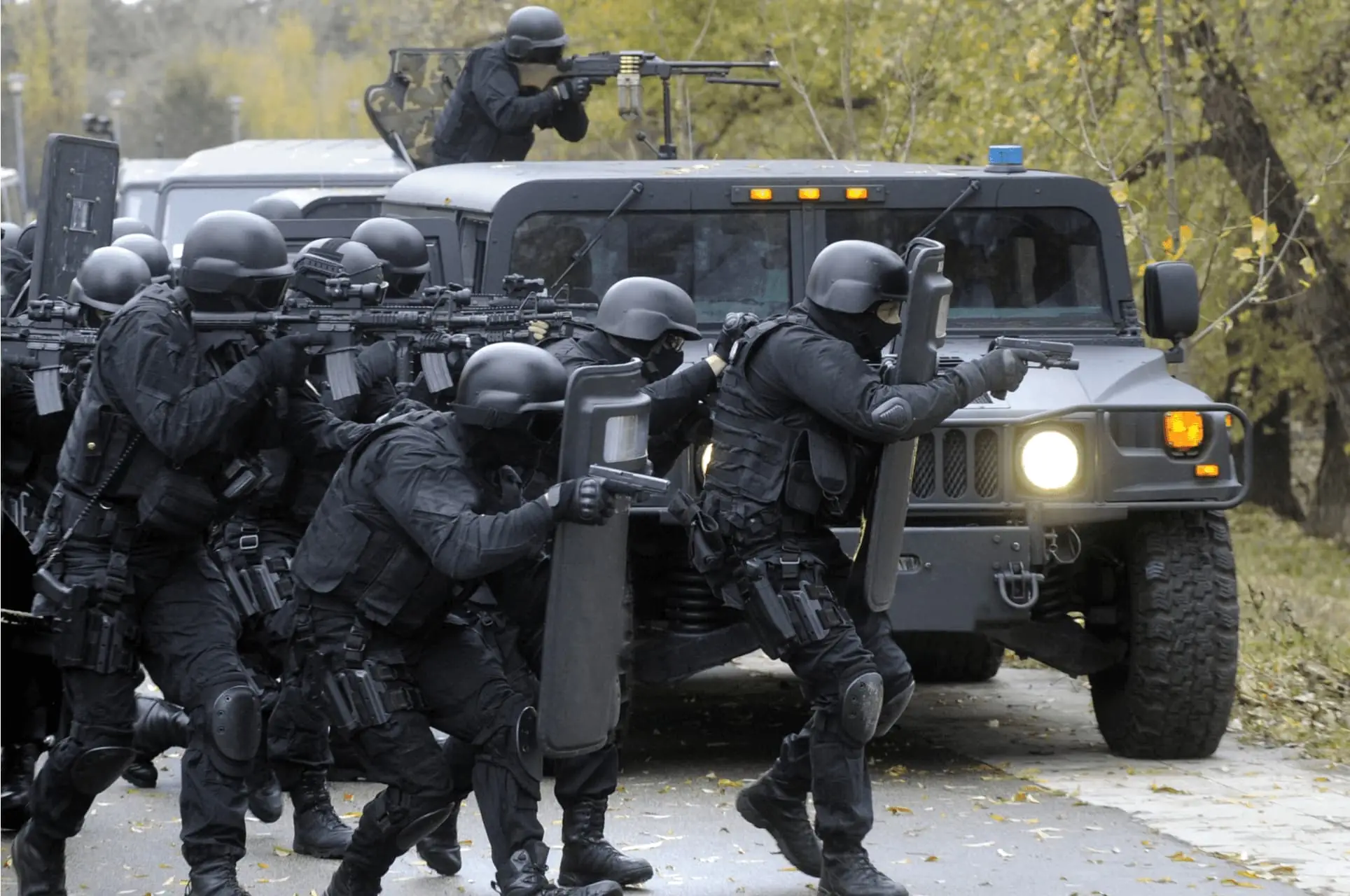
How Police Forces Operate Across Different Countries – Police forces play a vital role in maintaining law and order worldwide, but their structure, methods, and responsibilities can vary dramatically depending on the country. Understanding these differences not only provides insight into law enforcement but also highlights how cultural, legal, and political factors shape policing strategies.
The Role of Police in Society
At their core, police forces exist to protect citizens, prevent crime, and ensure justice. While this mission is universal, the way it is executed differs widely. In some countries, the police serve primarily as a community resource, focusing on building trust and preventing crime before it happens. In others, the emphasis might be on strict law enforcement and rapid response to criminal activity.
The public perception of the police is also influenced by historical and cultural contexts. In countries where law enforcement is highly respected, police officers are seen as essential partners in community safety. In places with a history of corruption or political misuse of power, citizens may approach police interactions with caution.
Police Organization Around the World
United States
The United States has a highly decentralized policing system. Local, state, and federal agencies all operate independently but sometimes collaborate on major investigations. Local police departments handle day-to-day law enforcement in cities and towns, while state police or highway patrol manage broader issues, such as traffic safety and state-level investigations. Federal agencies, like the FBI or DEA, tackle crimes that cross state or national borders.
Community policing is a growing focus in many U.S. cities, aiming to build stronger relationships between officers and residents. However, challenges such as gun violence and systemic disparities continue to shape public discourse about policing.
United Kingdom
In the UK, policing is generally centralized at the national level, but regional police forces handle local matters. Officers are often seen as approachable and are expected to operate with a principle known as “policing by consent,” meaning public support is key to effective law enforcement.
British police also place a strong emphasis on investigation and prevention rather than armed intervention. Most officers do not carry firearms, reflecting the country’s focus on community safety and negotiation over force.
Japan
Japan is often cited as having one of the safest societies in the world, partly due to its unique approach to policing. The Japanese police system combines national oversight with local engagement. Each neighborhood has a koban, or small police box, staffed by officers familiar with the local community.
This approach encourages trust and allows police to respond quickly to minor incidents, preventing them from escalating. Officers in Japan are also highly trained in non-violent conflict resolution, reflecting cultural preferences for harmony and social order.
Germany
German policing operates under a federal system, where each state (Land) has its own police force. While this creates some variation in rules and procedures, overall coordination is maintained through national standards and cooperation.
German police are known for thorough investigations and professional training. There is also a strong emphasis on transparency and accountability, with independent oversight agencies monitoring police conduct.
Brazil
Brazilian police face unique challenges due to high crime rates in urban centers and complex social inequalities. The country has both civil and military police. Civil police handle investigations and detective work, while military police are responsible for maintaining public order and patrolling streets.
Violent crime and organized criminal networks create high-risk conditions for officers, influencing both tactics and public perception. Community policing initiatives are emerging, but challenges remain significant.
Training and Recruitment Differences
The way police officers are trained reflects the priorities and challenges of each country. In the United States, recruits undergo academy training that combines law, firearms, and tactical exercises with some focus on community relations. The duration and intensity vary by state and agency.
In contrast, countries like Finland emphasize social skills, psychology, and conflict resolution alongside traditional law enforcement techniques. Japanese police training includes rigorous physical and mental preparation, with long apprenticeships in local stations to build community knowledge.
Recruitment standards also differ. Some countries, such as Germany and Japan, require higher education or specific civil service qualifications, while others prioritize physical fitness or prior experience.
Policing Methods and Technology
Modern police forces rely on technology to enhance their capabilities. Surveillance cameras, data analytics, and digital databases are common in many countries. For example, South Korea is known for advanced CCTV networks and predictive policing systems, which help prevent crime before it happens.
However, methods vary depending on culture and legal frameworks. In the UK, the use of surveillance and stop-and-search practices is heavily regulated to protect civil liberties. In the United States, body cameras and community outreach programs are increasingly used to maintain accountability and trust.
Challenges Facing Police Globally
Despite differences, police forces around the world share similar challenges. Rising urbanization, cybercrime, and organized criminal networks create new pressures. Additionally, public scrutiny of law enforcement practices is increasing in most countries, driven by social media and global awareness campaigns.
Corruption and misuse of power remain persistent issues in certain regions. Countries with strong oversight and training programs generally experience lower levels of misconduct, while others struggle to maintain public trust. Balancing enforcement with respect for civil rights is a universal concern for modern policing.
Community Policing and Public Trust
Across countries, there is a growing recognition that effective policing depends on public cooperation. Community policing strategies emphasize engagement, transparency, and problem-solving. This approach not only prevents crime but also improves relationships between citizens and officers.
Programs vary widely. In Japan, the koban system fosters daily interactions with locals. In Canada and New Zealand, officers collaborate with indigenous communities to address unique social challenges. In the U.S., neighborhood watch partnerships and youth outreach programs aim to reduce crime while building trust.
Conclusion
Police forces around the world operate under vastly different systems, influenced by history, culture, and legal structures. From the community-focused koban in Japan to the decentralized networks of the United States, each approach reflects the priorities and challenges of the society it serves.
Understanding these differences is not just an academic exercise—it can inform policy, enhance international cooperation, and improve public trust. While methods vary, the universal goal remains the same: to protect citizens, maintain order, and uphold justice. The evolution of policing worldwide continues to adapt to technological advances, social expectations, and the ever-changing landscape of crime.
By examining these international approaches, it becomes clear that effective policing requires a balance of authority, transparency, and community engagement—a lesson every nation can learn from.