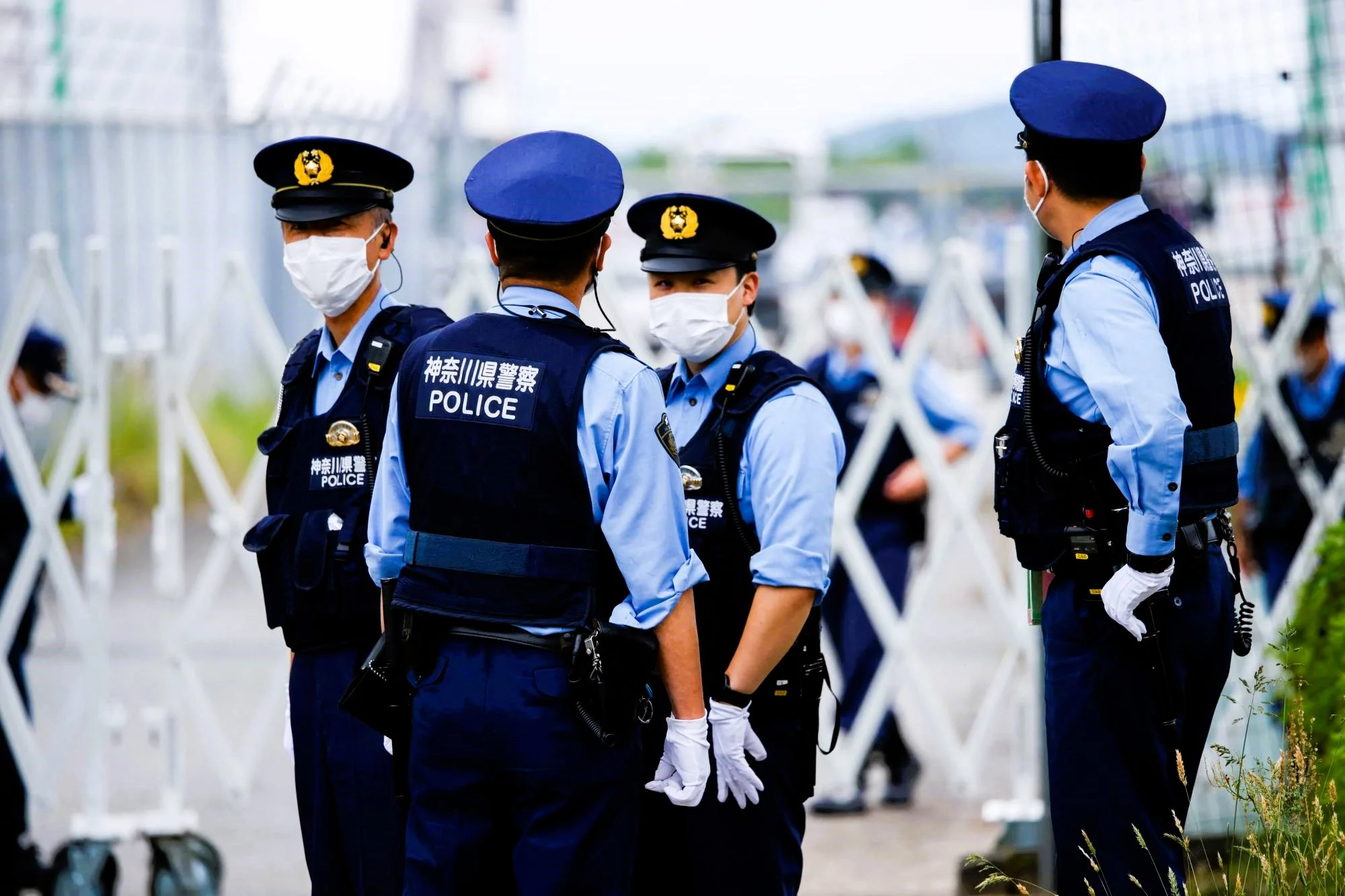
How Police Organizations Operate Around the World – Police organizations play a critical role in maintaining public order, enforcing laws, and protecting citizens. However, the way police operate varies significantly from one country to another. Cultural values, political systems, legal frameworks, and historical backgrounds all shape how police forces are structured and how they interact with society. Understanding these differences offers valuable insight into global law enforcement practices and helps explain why policing looks so different across borders.
The Core Purpose of Police Organizations
Despite regional differences, police organizations around the world share a common mission. Their primary responsibility is to maintain public safety and uphold the law. This includes crime prevention, investigation, traffic control, emergency response, and community protection.
In most countries, police officers are granted legal authority to detain suspects, conduct investigations, and use force when necessary. However, the extent of that authority and how it is regulated depends heavily on national laws and oversight systems. Some nations prioritize strict legal limitations and civilian oversight, while others grant broader discretionary power to law enforcement agencies.
Centralized vs Decentralized Police Systems
One of the most significant differences in global policing is whether a country uses a centralized or decentralized police system.
Centralized Police Structures
In centralized systems, police forces operate under a single national authority, often controlled by the central government or a ministry of interior. Countries such as France, Japan, and South Korea follow this model. Policies, training standards, and operational procedures are largely uniform across the country.
Centralized policing allows for consistent enforcement of laws and easier coordination during national emergencies. However, critics argue that it can reduce local accountability and make police less responsive to community-specific issues.
Decentralized Police Structures
Decentralized systems, like those in the United States, Canada, and Germany, divide law enforcement responsibilities among federal, state, and local agencies. Local police departments often have significant autonomy in setting priorities and policies.
This approach allows police to tailor their operations to local needs and cultural norms. On the downside, it can lead to inconsistencies in enforcement standards and challenges in coordination across jurisdictions.
Training and Recruitment Across Countries
Police training varies widely around the world, reflecting different expectations of law enforcement roles.
In some European countries, such as Finland and Norway, police officers undergo extensive training that can last several years. Education emphasizes conflict de-escalation, human rights, psychology, and community relations. These countries often view policing as a professional public service rather than a force-based occupation.
In contrast, some countries provide shorter training periods focused heavily on physical readiness, tactical skills, and legal authority. In developing nations, limited budgets and resources can affect the depth and quality of police training, impacting overall effectiveness.
Recruitment standards also differ. While many countries require higher education and psychological evaluations, others prioritize physical fitness and basic legal knowledge. These differences shape how police officers interact with the public and respond to conflict.
Community Policing and Public Trust
Public trust is a key factor in how police organizations operate successfully. Many countries have adopted community policing models to strengthen relationships between officers and citizens.
Community-Oriented Approaches
Community policing focuses on collaboration, communication, and problem-solving rather than strict enforcement. Officers are encouraged to engage with residents, attend local events, and understand neighborhood concerns.
Countries like the United Kingdom and New Zealand have embraced this approach to improve transparency and reduce crime through cooperation. When communities trust the police, they are more likely to report crimes and support investigations.
Challenges in Building Trust
In regions with histories of political repression, corruption, or abuse of power, police organizations often struggle to gain public confidence. In these cases, reform efforts may include body cameras, independent oversight bodies, and stronger accountability mechanisms.
Use of Force and Legal Boundaries
The rules governing the use of force differ significantly worldwide. Some countries enforce strict guidelines, allowing force only as a last resort, while others permit broader discretion during arrests or crowd control situations.
For example, many European police forces emphasize de-escalation and rarely use firearms. Officers may carry weapons but are trained to avoid lethal force whenever possible. In contrast, police in some countries routinely carry firearms and may use them more frequently due to higher levels of armed crime or different legal standards.
Legal accountability also varies. Independent investigations, civilian review boards, and judicial oversight are common in countries that prioritize transparency. Elsewhere, internal investigations remain the primary method of accountability.
Technology and Modern Policing
Technology has transformed how police organizations operate globally. Surveillance systems, forensic tools, digital databases, and artificial intelligence are increasingly integrated into daily police work.
Advanced nations use predictive policing software, facial recognition, and data-driven crime analysis to allocate resources more efficiently. While these tools can improve effectiveness, they also raise concerns about privacy, data security, and potential bias.
In developing countries, limited access to technology means police rely more on traditional investigative methods. However, mobile communication and basic digital record systems are slowly improving operational capacity worldwide.
International Cooperation and Global Policing
Crime is no longer limited by borders. Human trafficking, cybercrime, terrorism, and drug trafficking require cooperation between police organizations across nations.
International bodies such as INTERPOL facilitate information sharing, joint operations, and training programs. Regional partnerships also help countries combat cross-border crime more effectively. As global threats continue to evolve, international police cooperation has become an essential part of modern law enforcement.
The Future of Police Organizations Worldwide
Police organizations around the world are under increasing pressure to adapt. Public expectations are shifting toward greater transparency, fairness, and respect for human rights. At the same time, police must respond to complex challenges such as cybercrime, social unrest, and global security threats.
Reform efforts are focusing on better training, improved oversight, community engagement, and responsible use of technology. While there is no single model that fits every country, the future of policing depends on balancing authority with accountability and enforcement with trust.
Understanding how police organizations operate around the world reveals not only the diversity of law enforcement systems but also the shared challenges they face. As societies continue to change, police institutions must evolve alongside them to remain effective, legitimate, and trusted by the communities they serve.