Police Diplomacy: How Law Enforcement Agencies Cooperate – In an era where crime travels faster than ever, police work can no longer stop at national borders. From cyber fraud networks operating across continents to drug trafficking routes that span oceans, modern threats demand global solutions. This is where police diplomacy steps in. Police diplomacy refers to the collaboration between law enforcement agencies from different countries to prevent, investigate, and combat transnational crime.
Unlike traditional diplomacy led by politicians and ambassadors, police diplomacy happens between investigators, intelligence officers, border authorities, and security experts. It operates quietly in the background but plays a crucial role in global stability. As international crime networks become more sophisticated, cross-border law enforcement cooperation is no longer optional. It is essential.
Why Police Diplomacy Matters in a Globalized World
Globalization has connected economies, cultures, and technologies. Unfortunately, it has also connected criminals. Human trafficking, terrorism, cybercrime, financial fraud, and drug smuggling often involve actors in multiple countries. Without international cooperation between police forces, investigations would stall at the first border.
Police diplomacy allows countries to share intelligence, coordinate operations, and support extradition processes. It builds trust between agencies that may have different legal systems, languages, and enforcement standards. Through joint task forces and information-sharing agreements, authorities can dismantle criminal networks that would otherwise exploit legal gaps between nations.
The growth of digital crime is a perfect example. A hacker operating in one country can target victims across the globe. Tracking such suspects requires coordination between cybercrime units in several jurisdictions. Police diplomacy enables this cooperation in a structured and legal manner.
The Role of INTERPOL in Global Policing
INTERPOL does not arrest criminals directly. Instead, it facilitates communication between national police forces. One of its most well-known tools is the Red Notice, which alerts member countries about wanted individuals. These notices help track fugitives who attempt to escape justice by crossing borders.
Beyond fugitive tracking, INTERPOL supports operations against human trafficking, terrorism, child exploitation, environmental crime, and cybercrime. Its secure communication system allows countries to share sensitive intelligence quickly and efficiently. In many high-profile cases, INTERPOL coordination has led to arrests that would have been impossible without international cooperation.
Europol and Regional Cooperation
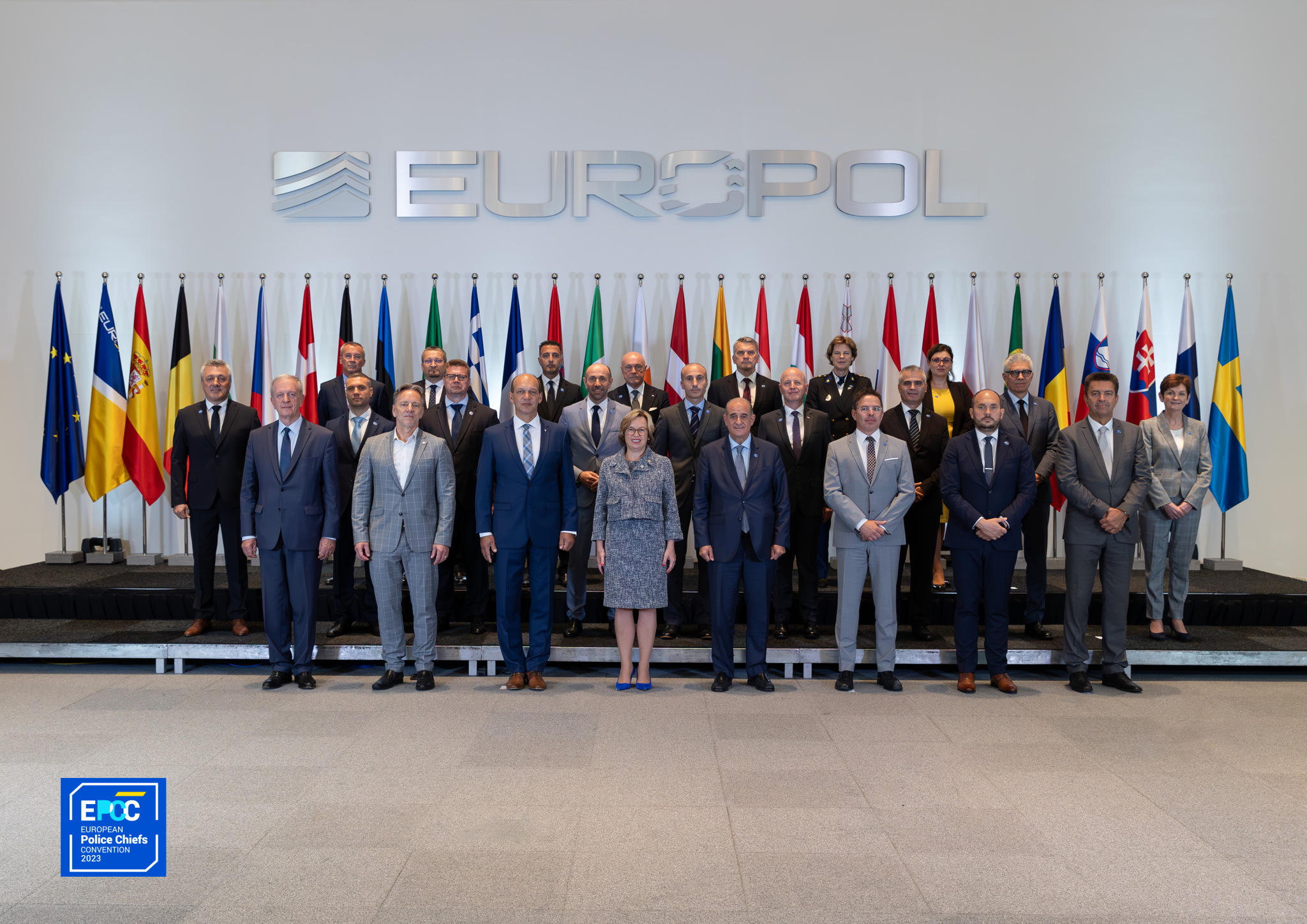
While INTERPOL operates globally, regional organizations also play a significant role. Europol, based in The Hague, supports law enforcement cooperation among European Union member states.
Europol focuses on intelligence analysis and operational support. It assists in combating organized crime, terrorism, cybercrime, and human trafficking within Europe. Through joint investigation teams, Europol enables officers from different EU countries to work side by side on complex cases.
Regional police diplomacy often moves faster because member countries share similar legal frameworks and political commitments. Europol’s European Cybercrime Centre has been particularly active in tackling ransomware attacks and online fraud schemes affecting multiple EU states simultaneously.
Bilateral Agreements and Liaison Officers
Not all police diplomacy happens through large organizations. Many countries sign bilateral agreements that allow direct cooperation between their law enforcement agencies. These agreements often include provisions for intelligence sharing, joint investigations, and extradition processes.
A common practice in police diplomacy is the placement of liaison officers in foreign embassies. These officers act as direct contact points between police forces. For example, a country may assign a narcotics liaison officer to another nation known as a transit hub for drug trafficking. This direct line of communication speeds up investigations and builds long-term trust.
Liaison officers also help bridge cultural and legal differences. They understand both systems and can explain procedural requirements, ensuring that evidence collected abroad is admissible in court.
Extradition and Legal Frameworks
Police diplomacy is closely linked to international law. Even when suspects are identified abroad, bringing them to justice requires formal extradition agreements. Extradition treaties define the legal process for transferring a suspect from one country to another for prosecution.
However, extradition can be complex. Countries may refuse extradition if the suspect faces the death penalty, political persecution, or unfair trial conditions. This is where diplomatic negotiation becomes essential. Law enforcement leaders often work closely with foreign ministries to resolve sensitive cases.
Mutual Legal Assistance Treaties (MLATs) are another key component. These agreements allow countries to request evidence, witness statements, or financial records from foreign jurisdictions. In financial crime investigations, MLATs are particularly important for tracing assets hidden in offshore accounts.
Joint Operations Against Transnational Crime
Some of the most effective examples of police diplomacy are joint operations targeting specific criminal networks. These operations may involve coordinated raids in multiple countries on the same day. By acting simultaneously, authorities prevent suspects from warning each other or destroying evidence.
Counterterrorism efforts frequently rely on such cooperation. Intelligence gathered in one country can prevent attacks in another. Information sharing between security agencies has disrupted numerous plots over the years.
Drug trafficking is another area where cross-border cooperation is critical. Supply chains often stretch from production regions to consumer markets across continents. Without coordinated law enforcement efforts, traffickers would easily exploit jurisdictional boundaries.
Challenges in Police Diplomacy
Despite its importance, police diplomacy faces several challenges. Differences in legal systems can slow down cooperation. What is considered admissible evidence in one country may not meet standards in another. Privacy laws, data protection regulations, and human rights considerations also vary.
Political tensions can further complicate matters. When diplomatic relations between countries deteriorate, police cooperation may suffer. Trust is a fundamental element of successful law enforcement collaboration, and rebuilding that trust can take time.
Language barriers and technological disparities also pose obstacles. Not all countries have the same level of digital infrastructure or forensic capabilities. Capacity-building programs, often supported by international organizations, aim to reduce these gaps.
The Future of Cross-Border Law Enforcement Cooperation
As technology evolves, so does crime. Artificial intelligence, cryptocurrency, and encrypted communication platforms present new challenges for investigators. Police diplomacy must adapt to these changes.
Cybercrime units are increasingly collaborating across borders in real time. Digital evidence can move instantly, and law enforcement must respond just as quickly. International task forces focusing on ransomware, online child exploitation, and financial fraud are becoming more common.
Training programs and joint exercises also strengthen cooperation. When officers train together, they build personal relationships that make future collaboration smoother. These informal networks often prove just as valuable as formal agreements.
In the coming years, police diplomacy will likely expand beyond traditional crime. Environmental crimes, illegal fishing, and wildlife trafficking are gaining global attention. Climate change and resource scarcity may further increase cross-border tensions and criminal activity, requiring even closer cooperation between law enforcement agencies.
Conclusion
Police diplomacy may not always make headlines, but it plays a vital role in maintaining global security. Through organizations like INTERPOL and Europol, as well as bilateral agreements and joint task forces, law enforcement agencies work together to combat transnational crime.
In a world where criminals operate without regard for borders, police cooperation across borders is the only effective response. As international threats continue to evolve, strong relationships between law enforcement agencies will remain one of the most powerful tools in ensuring justice and security worldwide.
The future of global policing depends not only on advanced technology but also on trust, communication, and shared commitment. Police diplomacy embodies all three, proving that collaboration is the key to tackling crime in the modern age.