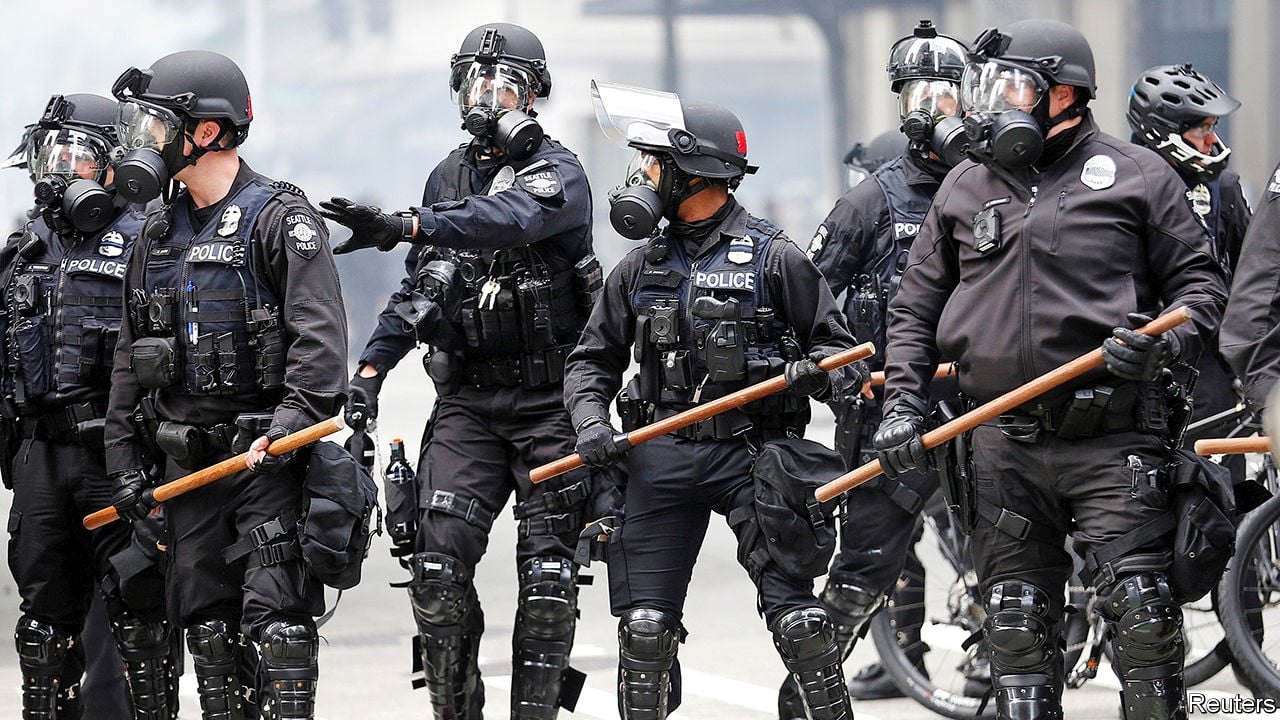
The Influence of Police Unions: Their Power and Impact on Global Law Enforcement – Police unions are among the most influential yet least understood institutions in modern law enforcement. While most people are familiar with labor unions in industries like manufacturing or education, police unions operate in a unique space. They represent officers who are entrusted with enforcing the law, maintaining public order, and in some cases, using force on behalf of the state. This combination of labor advocacy and public authority gives police unions a distinctive role in shaping policing systems worldwide.
Understanding the influence of police unions is essential for anyone interested in criminal justice reform, public policy, or the future of law enforcement. From salary negotiations to disciplinary procedures and legislative lobbying, police unions play a major role in defining how policing works in practice—not just in theory.
What Are Police Unions and Why Do They Matter?
Police unions are labor organizations that represent the interests of police officers. Their primary function is to negotiate collective bargaining agreements, which determine wages, benefits, working conditions, and procedural protections. In countries like the United States, organizations such as the Fraternal Order of Police and the Police Benevolent Association have become powerful national voices for officers.
At their core, police unions exist to protect their members. They provide legal representation, advocate for better compensation, and push back against policies perceived as unfair to officers. In many jurisdictions, union contracts can include detailed rules governing internal investigations, disciplinary timelines, and even how complaints from civilians are handled.
This is where the influence of police unions becomes significant. Because these contracts often shape accountability systems, they directly affect how misconduct cases are managed. Critics argue that certain contract provisions can make it harder to discipline or remove officers accused of wrongdoing. Supporters, however, claim these protections are necessary to prevent politically motivated investigations or unfair treatment.
The Rise of Police Union Power
The power of police unions did not emerge overnight. In the United States, their influence grew significantly during the late 20th century, particularly as crime rates rose and public demand for strong policing increased. Political leaders often sought the endorsement of police unions, recognizing their ability to mobilize voters and shape public opinion.
A well-known example of union influence can be seen in large cities like New York City, where the New York City Police Benevolent Association plays a visible role in public debates about crime policy. Union leaders frequently appear in media interviews, hold press conferences, and endorse political candidates. This level of visibility amplifies their impact beyond simple labor negotiations.
Globally, the situation varies. In countries like the United Kingdom, police officers are not allowed to strike, but they are represented by organizations such as the Police Federation of England and Wales. While technically not a union in the traditional sense, it performs similar advocacy functions, representing officers’ interests in policy discussions and disciplinary matters.
In some nations, police unions have less formal power but still influence internal policies through professional associations. The common thread across jurisdictions is clear: wherever police unions operate, they shape the working environment of officers and the structure of accountability.
Collective Bargaining and Accountability
One of the most debated aspects of police union influence is collective bargaining. Through negotiated contracts, unions can secure provisions that affect how investigations are conducted. For example, some contracts require that officers be given advance notice before interrogation or limit the timeframe in which disciplinary action can be taken.
These provisions are often justified as safeguards against unfair treatment. Police officers, by the nature of their work, make high-stakes decisions under pressure. Unions argue that without strong procedural protections, officers could face unjust punishment for split-second decisions made in dangerous situations.
However, reform advocates argue that some contractual clauses can unintentionally reduce transparency and public trust. When disciplinary records are sealed or arbitration frequently overturns terminations, communities may perceive the system as lacking accountability.
The debate over police union reform intensified after high-profile incidents involving excessive use of force. While the specific cases differ by country and city, the broader question remains the same: how can societies balance due process for officers with meaningful accountability to the public?
Political Influence and Public Policy
Police unions are not limited to negotiating contracts. They often engage directly in politics. In the United States, unions like the National Association of Police Organizations endorse candidates, lobby legislators, and advocate for specific laws related to criminal justice, gun control, and sentencing policy.
Their political power stems from several factors. First, public safety is a top priority for voters. Endorsements from police organizations can influence perceptions of which candidates are “tough on crime.” Second, unions are often well-organized and financially stable, allowing them to contribute to campaigns and run advocacy initiatives.
In some countries, police unions also shape internal reform efforts. When governments propose changes such as body-worn camera mandates, revised use-of-force standards, or new oversight mechanisms, unions frequently negotiate the details. This means reforms often depend not only on legislative approval but also on union agreement.
Critics argue that this dynamic can slow down reform, especially when proposals are seen as limiting officer discretion. Supporters counter that excluding unions from reform discussions can lead to impractical policies that fail in real-world policing environments.
Global Perspectives on Police Union Impact
The influence of police unions is not uniform worldwide. In the Canada, police associations play a role similar to their American counterparts but operate within different legal and cultural frameworks. In parts of Europe, union influence is shaped by national labor laws and centralized policing structures.
In countries with highly centralized police systems, union power may be more constrained. In decentralized systems, especially those with strong traditions of collective bargaining, unions often have greater leverage.
Emerging democracies present another dynamic. In some cases, police unions advocate for better pay and safer working conditions in environments where officers face significant risks and limited resources. Here, union activity can strengthen professional standards and morale.
The global conversation increasingly revolves around transparency, community trust, and modernization. As societies demand more accountability from law enforcement, police unions are being asked to adapt. Some have begun supporting reforms such as improved training, mental health resources for officers, and clearer use-of-force policies.
The Future of Police Unions in Law Enforcement Reform
Looking ahead, the role of police unions will likely continue to evolve. Technology, public scrutiny, and changing political landscapes are reshaping how policing is conducted and evaluated. Issues such as body cameras, data transparency, and civilian oversight boards will remain central to discussions about union influence.
The key challenge lies in balance. Police unions serve a legitimate purpose: protecting the rights and welfare of officers who perform demanding and sometimes dangerous work. At the same time, law enforcement agencies must maintain public trust, which depends on transparency and accountability.
Constructive dialogue between policymakers, union leaders, and community representatives is essential. Rather than framing the issue as a simple conflict between unions and reformers, a more productive approach recognizes the shared goal of effective, fair, and trusted policing.
Police unions are powerful actors in global law enforcement. Their impact extends beyond contract negotiations into politics, public policy, and community relations. As debates about policing continue around the world, understanding the influence of police unions is crucial for shaping the future of justice systems in democratic societies.