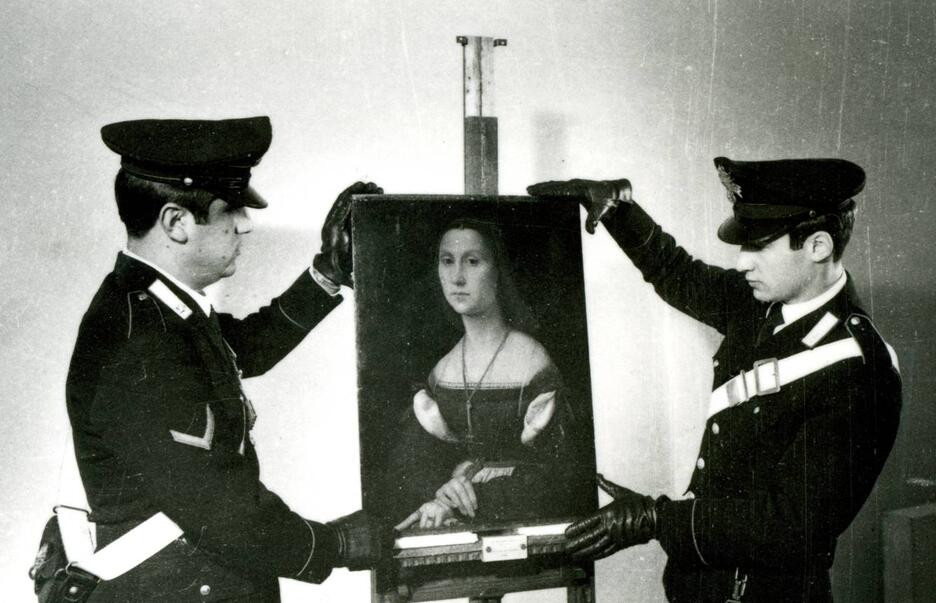
The Role of Police in Protecting Cultural Heritage and Artifacts – Cultural heritage is more than just old buildings, ancient statues, or priceless paintings. It is the living memory of a nation. From sacred temples to historical manuscripts, every artifact tells a story about who we are and where we come from. That is why protecting cultural heritage is not only the responsibility of historians or museum curators, but also law enforcement agencies.
Across the world, police forces play a crucial role in safeguarding cultural property from theft, vandalism, illegal excavation, and international trafficking. Organizations such as INTERPOL and UNESCO actively work with national police units to prevent cultural crimes that threaten humanity’s shared history. While cultural protection might seem like a niche task, it is in fact a growing global security concern.
In this article, we explore how police protect cultural heritage and artifacts, why their role is increasingly important, and how communities can support these efforts.
Why Cultural Heritage Protection Matters
Cultural artifacts are not simply objects with monetary value. They carry emotional, spiritual, and historical importance. When a sculpture is stolen from a temple or an ancient manuscript disappears from a library, the loss affects an entire community.
Crimes against cultural heritage are often linked to organized crime networks. Looted antiquities may be sold on the black market to private collectors. In some regions, profits from illegal artifact sales have even been connected to funding extremist activities. This makes cultural heritage protection not only a cultural issue but also a matter of national and international security.
The destruction of heritage sites in conflict zones has shown how fragile history can be. When ancient landmarks are damaged or destroyed, they cannot truly be replaced. Police forces are often the first line of defense in preventing such irreversible losses.
The Expanding Role of Police in Cultural Protection
Traditionally, police focused on general crime prevention. However, the increasing sophistication of art theft and antiquities smuggling has required specialized knowledge and training.
Specialized Art and Heritage Crime Units
Many countries have established dedicated art crime units within their police departments. These units are trained to investigate art theft, track stolen artifacts, and collaborate with museums and international agencies.
One of the most well-known examples is the art crime team within the Federal Bureau of Investigation. The FBI’s Art Crime Team investigates cases involving stolen paintings, cultural artifacts, and fraudulent art sales. Their work has led to the recovery of millions of dollars’ worth of stolen cultural property.
Similarly, in Europe, law enforcement agencies work closely with Europol to combat cross-border trafficking of cultural goods. These coordinated efforts are crucial because stolen artifacts often move quickly across national borders.
Preventing Illegal Excavation and Looting
In many countries rich in archaeological sites, illegal excavation is a serious problem. Looters often dig at night, damaging sites and removing artifacts without documentation. Once removed from their original context, these objects lose much of their historical value.
Police patrol vulnerable heritage areas, especially in regions known for archaeological significance. They also collaborate with local communities to report suspicious activities. In some cases, police use drones, surveillance systems, and geographic tracking tools to monitor protected sites.
Preventing looting is not just about catching criminals. It is also about preserving scientific knowledge. Proper excavation requires careful documentation by trained archaeologists. When looters interfere, valuable historical information is permanently lost.
International Cooperation Against Art Trafficking
Cultural property crime rarely stops at national borders. A stolen statue might be smuggled to another continent within days. This is why international cooperation is essential.
INTERPOL maintains a global database of stolen works of art. Police agencies around the world can access this database to identify recovered objects and track stolen items. This system has helped return thousands of artifacts to their rightful owners.
UNESCO also plays a key role by promoting international conventions that regulate the trade of cultural property. Police rely on these legal frameworks to seize illegally exported artifacts and facilitate repatriation.
A strong example of international commitment is the 1970 UNESCO Convention, which aims to prevent the illicit import, export, and transfer of ownership of cultural property. Law enforcement agencies use this convention as a legal basis for cooperation and artifact recovery.
The Challenges Police Face
Protecting cultural heritage is not always straightforward. Police officers often face several challenges in this field.
First, identifying authentic artifacts requires expertise. Officers may need assistance from art historians, archaeologists, or museum experts to confirm whether an item is genuine and historically significant.
Second, online marketplaces have made it easier to sell stolen artifacts anonymously. Digital platforms allow traffickers to reach global buyers quickly. Police must adapt by developing cyber investigation skills and monitoring suspicious online transactions.
Third, limited resources can be an obstacle. Not all countries have specialized art crime units. In some regions, cultural heritage protection competes with other urgent law enforcement priorities.
Despite these challenges, many police forces are investing more resources into heritage protection, recognizing its importance for national identity and global cooperation.
Community Involvement and Public Awareness
Police cannot protect cultural heritage alone. Community involvement is essential. Local residents often know their heritage sites better than anyone else. When they report suspicious activities, law enforcement can act quickly.
Public awareness campaigns also play a crucial role. When collectors understand the risks of buying undocumented artifacts, the demand for looted items decreases. Responsible collecting practices can significantly reduce illegal trafficking.
Museums and cultural institutions frequently collaborate with police to improve security systems. Surveillance cameras, inventory documentation, and secure storage facilities help prevent theft before it occurs.
Educational programs in schools and universities can also foster respect for cultural heritage from a young age. When people understand the value of history, they are more likely to protect it.
Technology and the Future of Cultural Heritage Protection
Modern technology is transforming how police safeguard artifacts. Digital databases, satellite monitoring, and advanced forensic tools help track stolen items more effectively than ever before.
Artificial intelligence can assist in identifying suspicious sales patterns online. Blockchain technology is being explored to create transparent ownership records for artworks and artifacts. These innovations could significantly reduce fraud and illegal trade.
Facial recognition systems, improved border inspections, and data-sharing agreements between countries are strengthening global protection networks. As criminals become more sophisticated, police must continue to innovate.
A Shared Responsibility
The role of police in protecting cultural heritage and artifacts goes far beyond routine law enforcement. It involves international cooperation, specialized training, community engagement, and technological advancement.
Cultural heritage represents the identity and history of entire civilizations. When artifacts are stolen or destroyed, humanity loses a piece of its collective memory. By working with organizations like INTERPOL, UNESCO, and national agencies such as the Federal Bureau of Investigation, police forces around the world are building stronger systems to prevent cultural crimes.
Ultimately, protecting cultural heritage is a shared responsibility. Governments, law enforcement, museums, collectors, and communities must work together to ensure that future generations can learn from and appreciate the treasures of the past.
By understanding the important role police play in safeguarding cultural property, we can better support their efforts and help preserve the stories that define our world.