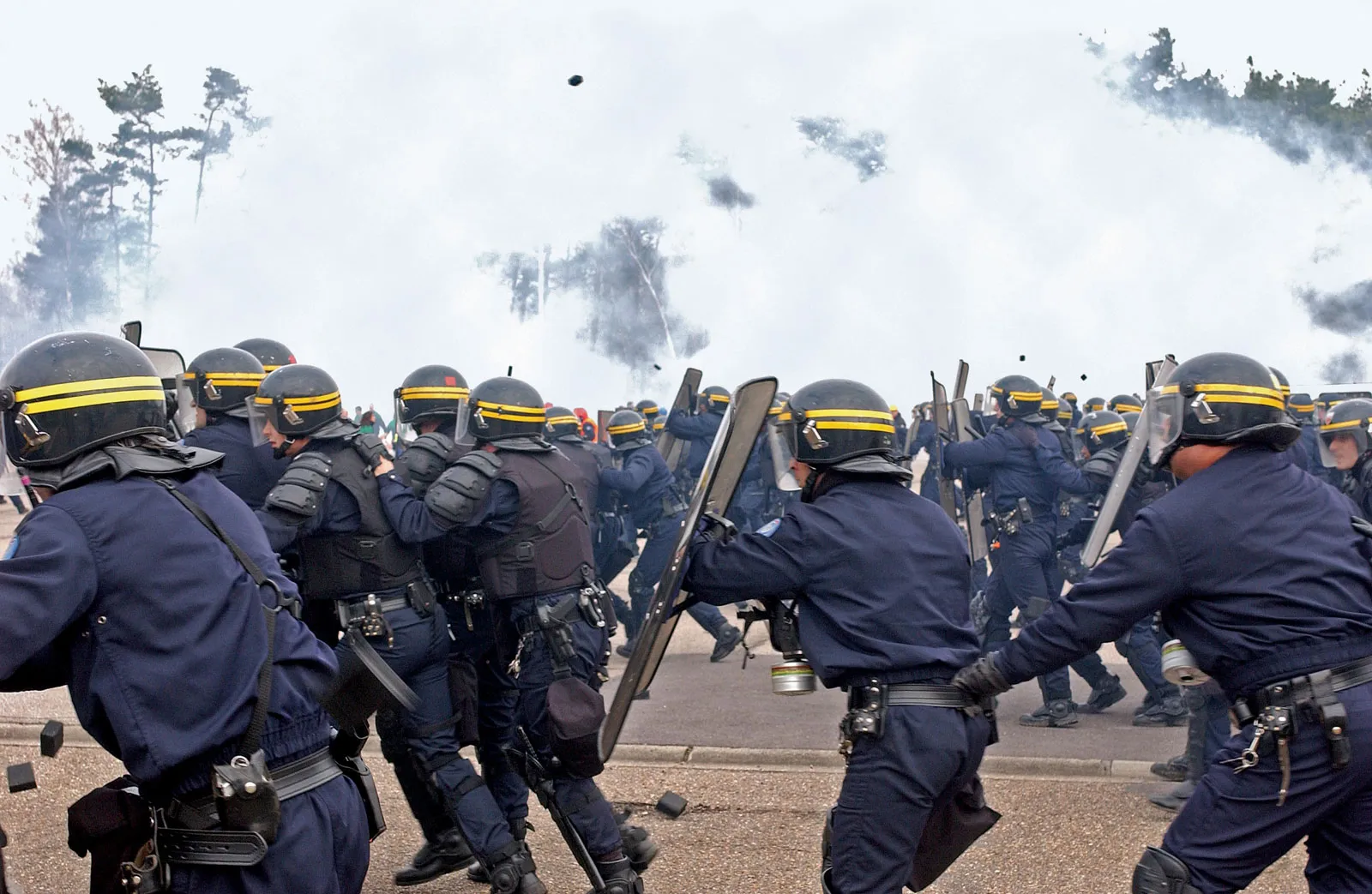
Worldwide Policing Systems History Duties and Practices – Policing systems around the world did not appear overnight. They evolved alongside societies, governments, and cultural values. From early forms of communal protection to highly organized national police forces, law enforcement has always played a central role in maintaining order, enforcing laws, and protecting citizens. Understanding the history, duties, and practices of worldwide policing systems offers valuable insight into how modern law enforcement operates today.
The Early History of Policing Systems
Long before formal police institutions existed, early civilizations relied on community-based systems to maintain order. In ancient Mesopotamia and Egypt, rulers appointed guards and officials to protect property, enforce laws, and collect taxes. These early enforcers were often tied directly to political or religious authority.
In ancient Greece, policing duties were limited and decentralized. Public order was largely maintained by citizens themselves, while enslaved individuals known as Scythian archers assisted magistrates in enforcing laws. Rome later expanded on this concept by establishing organized groups such as the Vigiles, who acted as firefighters and night watchmen, and the Praetorian Guard, responsible for protecting political leaders.
During the medieval period in Europe, policing took a more localized form. The “watch and ward” system required ordinary citizens to patrol streets and villages, especially at night. Sheriffs and constables were appointed by the crown to maintain order, but professional policing as we know it today had not yet emerged.
The Birth of Modern Policing
The foundation of modern policing is often traced back to 19th-century England. In 1829, Sir Robert Peel established the Metropolitan Police Service in London. This marked a turning point in policing history. Peel introduced the idea that police should be a professional, uniformed, and publicly accountable organization focused on crime prevention rather than punishment.
The principles behind the British policing model emphasized public cooperation, ethical conduct, and minimal use of force. This approach influenced many countries, particularly those within the British Empire, including Canada, Australia, and India.
At the same time, other regions developed their own policing structures. In France, policing became more centralized and closely connected to the state. The French model emphasized authority, intelligence gathering, and national control, influencing policing systems across Europe and parts of Africa.
Global Variations in Policing Systems
Policing systems differ significantly from one country to another, shaped by political systems, legal frameworks, and social expectations. Some nations operate under centralized policing models, where law enforcement is controlled by a national authority. Countries like France, Japan, and South Korea follow this structure, allowing for standardized training and consistent enforcement across regions.
In contrast, decentralized policing systems are common in countries such as the United States and Germany. In these models, local, state, and federal agencies share responsibility. This structure allows policing strategies to adapt to local community needs, though it can also create challenges related to coordination and consistency.
Developing nations often face unique policing challenges, including limited resources, political instability, and public trust issues. In these regions, police forces may perform broader roles, such as military-style operations or internal security functions, especially in times of unrest.
Core Duties of Police Worldwide
Despite differences in structure and culture, the core duties of police forces remain largely universal. Law enforcement agencies are responsible for maintaining public order, preventing crime, and enforcing laws enacted by governing authorities. These duties form the backbone of policing across the globe.
Police officers are also tasked with protecting life and property. This includes responding to emergencies, managing traffic, and intervening in violent situations. In many countries, police are the first point of contact for citizens during crises, making their role crucial beyond crime control alone.
Another essential duty is investigation. Police collect evidence, interview witnesses, and work closely with prosecutors to solve crimes. Advances in forensic science and digital technology have transformed investigative practices, allowing police to address complex criminal networks and cybercrime.
Community Engagement and Public Trust
Modern policing increasingly emphasizes the importance of community engagement. Building trust between police and the public is seen as essential for effective law enforcement. Community policing strategies encourage officers to work closely with residents, understand local concerns, and prevent crime through cooperation rather than force.
Countries such as Japan are often cited for their strong community-based policing approach. Local police boxes, known as koban, serve as neighborhood hubs where officers assist residents with both safety and everyday issues. This model has inspired reforms in other parts of the world.
Policing Practices in the Modern Era
Policing practices have evolved significantly in response to social change, technological advancements, and global challenges. The rise of urbanization has led to more specialized units focusing on crowd control, organized crime, and counterterrorism. Many police forces now operate specialized divisions for cybercrime, financial fraud, and digital surveillance.
Technology plays a major role in modern policing. Surveillance cameras, data analytics, body-worn cameras, and artificial intelligence tools are increasingly used to enhance efficiency and accountability. While these tools can improve crime prevention, they also raise concerns about privacy and civil liberties.
Training standards have also improved globally. Police officers today often receive instruction in human rights, de-escalation techniques, and cultural sensitivity. International organizations and cross-border cooperation help establish best practices and promote ethical policing standards worldwide.
Challenges Facing Global Policing
Despite modernization efforts, policing systems worldwide face ongoing challenges. Public scrutiny, use-of-force incidents, corruption, and political interference remain major concerns in many countries. Social movements and media coverage have increased demands for transparency and reform.
Balancing security and freedom is another critical issue. Police must protect citizens from crime and terrorism while respecting individual rights. This balance is particularly complex in regions facing internal conflict or high crime rates.
The Future of Worldwide Policing Systems
As societies continue to evolve, policing systems must adapt. The future of law enforcement will likely focus more on prevention, technology integration, and collaboration with social services. Many experts believe that successful policing will depend on trust, accountability, and adaptability rather than authority alone.
International cooperation is also becoming more important. Global crime networks require cross-border policing strategies, shared intelligence, and unified legal frameworks. Organizations such as Interpol play a growing role in coordinating global law enforcement efforts.
Ultimately, while policing systems vary widely across the world, their core mission remains the same. Protecting communities, upholding the rule of law, and serving the public will continue to define policing, just as it has throughout history.