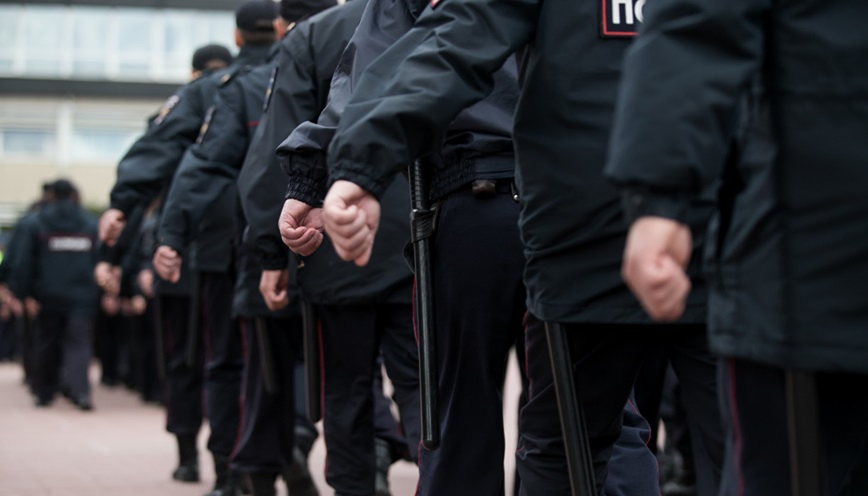
Global Police Forces and Law Enforcement Systems
Global Police Forces and Law Enforcement Systems – Police forces play a crucial role in maintaining order, enforcing laws, and protecting citizens across the globe. While the basic mission of law enforcement is similar everywhere, the structure, authority, and methods of police forces vary widely from one country to another. These differences are shaped by history, culture, legal systems, and political frameworks. Understanding global police forces and law enforcement systems provides valuable insight into how societies manage public safety and justice.
The Role of Police Forces in Modern Society
At their core, police forces exist to uphold the law and ensure public safety. This includes crime prevention, investigation, traffic control, crowd management, and emergency response. In many countries, police officers are also responsible for community engagement, disaster response, and counterterrorism efforts.
Modern law enforcement has expanded beyond traditional patrol duties. Today, police forces often work closely with intelligence agencies, cybersecurity units, and international organizations to address cross-border crimes such as human trafficking, drug smuggling, cybercrime, and terrorism. This evolution reflects how crime itself has become more global and complex.
Differences in Law Enforcement Systems Worldwide
Although police forces share similar goals, their systems differ significantly depending on national governance and legal traditions.
Centralized vs Decentralized Police Systems
Some countries operate under centralized law enforcement systems where a national police force handles most policing duties. Examples include France, Japan, and South Korea. In these systems, policies, training, and command structures are controlled at the national level, ensuring uniform standards across the country.
In contrast, decentralized systems are common in countries like the United States, Germany, and Canada. Here, law enforcement is divided among federal, state, and local agencies. Local police departments handle everyday policing, while federal agencies focus on national-level crimes. This structure allows flexibility but can sometimes lead to coordination challenges.
Civil Law and Common Law Influences
Legal traditions also shape policing styles. Countries following civil law systems, such as those in continental Europe, tend to emphasize codified laws and formal procedures. Police officers often work closely with prosecutors and investigative judges.
In common law countries like the United Kingdom and the United States, police have more discretion in decision-making, particularly during investigations. This difference influences arrest procedures, evidence handling, and interactions with the public.
Community Policing and Public Trust
Community policing has become a global trend in recent decades. This approach focuses on building trust between police officers and local communities through regular interaction, transparency, and collaboration. Countries such as Japan are often cited for successful community-based policing, where local police stations serve as neighborhood hubs for assistance and communication.
Public trust is a key factor in effective law enforcement. In regions where police forces are viewed as fair and accountable, citizens are more likely to cooperate and report crimes. On the other hand, countries facing issues like corruption or excessive use of force often struggle to maintain legitimacy, which weakens overall security.
Accountability and Oversight Mechanisms
Many countries have implemented oversight bodies to monitor police conduct and investigate misconduct. These may include independent review boards, internal affairs divisions, or civilian complaint commissions. Strong accountability systems help ensure that police forces operate within legal and ethical boundaries, reinforcing public confidence.
Training and Professional Standards
Police training varies widely across the world. In some countries, officers undergo extensive education that includes law, ethics, psychology, and conflict resolution. Nordic countries, for example, are known for long training periods and a strong emphasis on human rights.
In other regions, limited resources can result in shorter training programs and fewer opportunities for professional development. This gap can affect how police officers handle complex situations, especially those involving vulnerable populations or civil unrest.
Use of Technology in Law Enforcement
Technology has become an essential part of modern policing. Surveillance systems, body cameras, forensic databases, and artificial intelligence tools are increasingly used to improve efficiency and transparency. Interpol and other international organizations facilitate information sharing between police forces, helping track criminals across borders.
However, the use of advanced technology also raises concerns about privacy and data protection. Different countries address these concerns in different ways, balancing security needs with civil liberties.
Challenges Facing Global Police Forces
Despite their importance, police forces worldwide face numerous challenges. Rising urbanization, social inequality, and political tensions place increasing pressure on law enforcement agencies. Protests and public demonstrations require careful handling to maintain order without violating human rights.
Corruption remains a serious issue in some regions, undermining the effectiveness of police forces. International cooperation, better training, and stronger legal frameworks are often proposed as solutions to improve integrity and professionalism.
Another growing challenge is cybercrime. As digital technology advances, police forces must adapt quickly to investigate online fraud, hacking, and digital espionage. This requires specialized skills and international collaboration, as cybercriminals often operate across multiple jurisdictions.
International Cooperation in Law Enforcement
Global crime has made international police cooperation more important than ever. Organizations like Interpol and Europol support cross-border investigations, intelligence sharing, and coordinated operations. These partnerships help national police forces track fugitives, dismantle criminal networks, and respond to global security threats.
Such cooperation also promotes the exchange of best practices, allowing countries to learn from one another and improve their law enforcement systems over time.
The Future of Global Policing
The future of police forces and law enforcement systems will likely focus on adaptability, transparency, and community engagement. As societies evolve, police institutions must balance authority with accountability while embracing new technologies responsibly.
Reforms aimed at improving training, diversity, and public relations are becoming more common worldwide. By strengthening trust and cooperation between police and citizens, law enforcement agencies can better fulfill their mission in an increasingly interconnected world.
Conclusion
Global police forces and law enforcement systems reflect the diversity of the societies they serve. While their structures and methods may differ, their shared goal remains the protection of public safety and the rule of law. Understanding these systems provides valuable insight into how nations address crime, maintain order, and adapt to modern security challenges. As international cooperation grows and policing continues to evolve, effective and ethical law enforcement will remain a cornerstone of stable and secure societies.
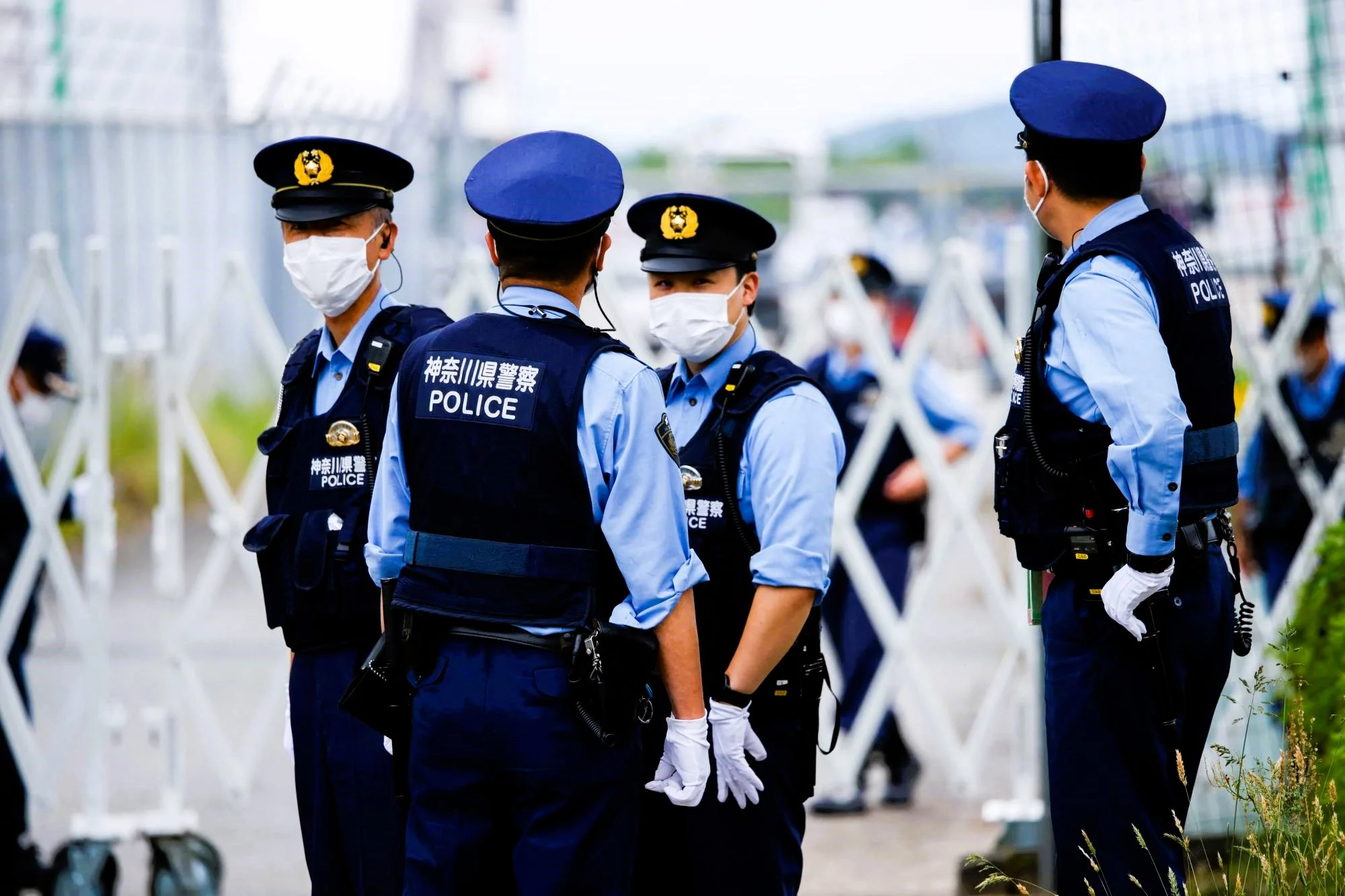
How Police Organizations Operate Around the World
How Police Organizations Operate Around the World – Police organizations play a critical role in maintaining public order, enforcing laws, and protecting citizens. However, the way police operate varies significantly from one country to another. Cultural values, political systems, legal frameworks, and historical backgrounds all shape how police forces are structured and how they interact with society. Understanding these differences offers valuable insight into global law enforcement practices and helps explain why policing looks so different across borders.
The Core Purpose of Police Organizations
Despite regional differences, police organizations around the world share a common mission. Their primary responsibility is to maintain public safety and uphold the law. This includes crime prevention, investigation, traffic control, emergency response, and community protection.
In most countries, police officers are granted legal authority to detain suspects, conduct investigations, and use force when necessary. However, the extent of that authority and how it is regulated depends heavily on national laws and oversight systems. Some nations prioritize strict legal limitations and civilian oversight, while others grant broader discretionary power to law enforcement agencies.
Centralized vs Decentralized Police Systems
One of the most significant differences in global policing is whether a country uses a centralized or decentralized police system.
Centralized Police Structures
In centralized systems, police forces operate under a single national authority, often controlled by the central government or a ministry of interior. Countries such as France, Japan, and South Korea follow this model. Policies, training standards, and operational procedures are largely uniform across the country.
Centralized policing allows for consistent enforcement of laws and easier coordination during national emergencies. However, critics argue that it can reduce local accountability and make police less responsive to community-specific issues.
Decentralized Police Structures
Decentralized systems, like those in the United States, Canada, and Germany, divide law enforcement responsibilities among federal, state, and local agencies. Local police departments often have significant autonomy in setting priorities and policies.
This approach allows police to tailor their operations to local needs and cultural norms. On the downside, it can lead to inconsistencies in enforcement standards and challenges in coordination across jurisdictions.
Training and Recruitment Across Countries
Police training varies widely around the world, reflecting different expectations of law enforcement roles.
In some European countries, such as Finland and Norway, police officers undergo extensive training that can last several years. Education emphasizes conflict de-escalation, human rights, psychology, and community relations. These countries often view policing as a professional public service rather than a force-based occupation.
In contrast, some countries provide shorter training periods focused heavily on physical readiness, tactical skills, and legal authority. In developing nations, limited budgets and resources can affect the depth and quality of police training, impacting overall effectiveness.
Recruitment standards also differ. While many countries require higher education and psychological evaluations, others prioritize physical fitness and basic legal knowledge. These differences shape how police officers interact with the public and respond to conflict.
Community Policing and Public Trust
Public trust is a key factor in how police organizations operate successfully. Many countries have adopted community policing models to strengthen relationships between officers and citizens.
Community-Oriented Approaches
Community policing focuses on collaboration, communication, and problem-solving rather than strict enforcement. Officers are encouraged to engage with residents, attend local events, and understand neighborhood concerns.
Countries like the United Kingdom and New Zealand have embraced this approach to improve transparency and reduce crime through cooperation. When communities trust the police, they are more likely to report crimes and support investigations.
Challenges in Building Trust
In regions with histories of political repression, corruption, or abuse of power, police organizations often struggle to gain public confidence. In these cases, reform efforts may include body cameras, independent oversight bodies, and stronger accountability mechanisms.
Use of Force and Legal Boundaries
The rules governing the use of force differ significantly worldwide. Some countries enforce strict guidelines, allowing force only as a last resort, while others permit broader discretion during arrests or crowd control situations.
For example, many European police forces emphasize de-escalation and rarely use firearms. Officers may carry weapons but are trained to avoid lethal force whenever possible. In contrast, police in some countries routinely carry firearms and may use them more frequently due to higher levels of armed crime or different legal standards.
Legal accountability also varies. Independent investigations, civilian review boards, and judicial oversight are common in countries that prioritize transparency. Elsewhere, internal investigations remain the primary method of accountability.
Technology and Modern Policing
Technology has transformed how police organizations operate globally. Surveillance systems, forensic tools, digital databases, and artificial intelligence are increasingly integrated into daily police work.
Advanced nations use predictive policing software, facial recognition, and data-driven crime analysis to allocate resources more efficiently. While these tools can improve effectiveness, they also raise concerns about privacy, data security, and potential bias.
In developing countries, limited access to technology means police rely more on traditional investigative methods. However, mobile communication and basic digital record systems are slowly improving operational capacity worldwide.
International Cooperation and Global Policing
Crime is no longer limited by borders. Human trafficking, cybercrime, terrorism, and drug trafficking require cooperation between police organizations across nations.
International bodies such as INTERPOL facilitate information sharing, joint operations, and training programs. Regional partnerships also help countries combat cross-border crime more effectively. As global threats continue to evolve, international police cooperation has become an essential part of modern law enforcement.
The Future of Police Organizations Worldwide
Police organizations around the world are under increasing pressure to adapt. Public expectations are shifting toward greater transparency, fairness, and respect for human rights. At the same time, police must respond to complex challenges such as cybercrime, social unrest, and global security threats.
Reform efforts are focusing on better training, improved oversight, community engagement, and responsible use of technology. While there is no single model that fits every country, the future of policing depends on balancing authority with accountability and enforcement with trust.
Understanding how police organizations operate around the world reveals not only the diversity of law enforcement systems but also the shared challenges they face. As societies continue to change, police institutions must evolve alongside them to remain effective, legitimate, and trusted by the communities they serve.

Law Enforcement Stories From Around the World
Law Enforcement Stories From Around the World – Law enforcement stories from around the world offer a powerful look into how different societies handle crime, justice, and public safety. While uniforms, laws, and cultures may differ, one thing stays the same: police officers everywhere face real risks, moral dilemmas, and moments that test their humanity. These stories go far beyond headlines. They reveal courage, sacrifice, failure, and growth in ways that statistics never can.
Across continents, law enforcement agencies deal with unique challenges shaped by history, politics, and local culture. From busy megacities to remote rural regions, officers must adapt to constantly changing environments. By exploring global law enforcement stories, we gain a deeper understanding of how justice is enforced worldwide—and why public trust matters more than ever.
Different Countries, Different Law Enforcement Realities
Every nation has its own approach to policing. In some countries, law enforcement is highly centralized, while others rely on local or regional forces. These structural differences strongly influence how officers work and how communities respond to them.
In Japan, for example, community policing is deeply embedded in daily life. Small neighborhood police stations, known as koban, allow officers to build personal relationships with residents. Many law enforcement stories from Japan highlight prevention rather than confrontation. Officers help lost children, assist elderly citizens, and resolve minor disputes before they escalate.
Meanwhile, in countries like Brazil or Mexico, law enforcement faces intense pressure from organized crime. Stories from these regions often involve officers confronting powerful criminal networks with limited resources. Despite the risks, many continue their work driven by a sense of duty and responsibility to protect their communities.
Policing in High-Risk Environments
In conflict-prone regions, law enforcement becomes especially dangerous. Officers in parts of Africa, the Middle East, and Latin America often operate in environments where the line between crime and armed conflict is blurred. These law enforcement stories frequently involve bravery under extreme circumstances.
For instance, police officers in Colombia have long dealt with drug trafficking and insurgent groups. Many stories focus on officers who risk their lives daily to dismantle criminal organizations, often becoming targets themselves. Such realities remind us that policing is not always about traffic stops or patrols—it can be a life-or-death mission.
Human Stories Behind the Badge
One of the most compelling aspects of law enforcement stories from around the world is the human side of policing. Officers are not just enforcers of the law; they are parents, spouses, and members of the communities they serve.
In the United Kingdom, several high-profile stories have shown officers stepping in during mental health crises rather than treating them as criminal incidents. These moments reveal empathy and restraint, highlighting how modern policing increasingly involves social care as much as enforcement.
In India, law enforcement stories often showcase officers working long hours with minimal rest, especially during festivals, elections, or emergencies. Some officers become local heroes after going above and beyond their duties, such as helping during natural disasters or protecting vulnerable populations.
When Law Enforcement Goes Beyond Duty
Around the world, there are countless stories of officers performing acts of kindness that rarely make international news. In Canada, officers have been known to shovel snow for elderly residents or buy groceries for struggling families. In Australia, police have rescued wildlife during bushfires, placing animal lives alongside human safety.
These moments help balance public perception, especially in times when law enforcement faces criticism. They show that policing, at its core, is about service.
Controversy, Accountability, and Reform
Not all law enforcement stories are positive, and it is important to acknowledge this reality. Incidents involving excessive force, corruption, or abuse of power have sparked global conversations about accountability and reform.
In the United States, law enforcement stories related to police brutality have led to nationwide protests and policy debates. Similar discussions have emerged in France, South Africa, and other nations where public trust has been challenged. These stories are difficult but necessary, as they push institutions to reflect and improve.
Many countries are now experimenting with reforms such as body cameras, independent oversight, and improved training. While progress is uneven, these efforts show that law enforcement is evolving in response to public demands.
Learning From Global Perspectives
One advantage of looking at law enforcement stories from around the world is the ability to compare systems and outcomes. Some countries emphasize de-escalation and negotiation, while others focus on strict enforcement. By examining what works and what fails, policymakers and communities can learn valuable lessons.
For example, Scandinavian countries often highlight rehabilitation over punishment. Their law enforcement stories focus less on arrests and more on long-term social stability. This approach has influenced discussions in other regions seeking alternatives to aggressive policing.
Why Global Law Enforcement Stories Matter
Law enforcement stories from around the world matter because they shape how societies understand justice, authority, and safety. They influence public opinion, policy decisions, and even international cooperation. In an interconnected world, crime does not respect borders, and neither should the conversation about policing.
These stories also remind us that law enforcement officers operate within complex systems. They are influenced by laws, leadership, community expectations, and available resources. Judging policing without context often leads to oversimplified conclusions.
By reading and sharing global law enforcement stories, we gain perspective. We learn that while challenges differ, the core mission remains similar everywhere: to protect lives, uphold the law, and serve the public.
Conclusion
Law enforcement stories from around the world offer more than dramatic headlines or viral moments. They reveal the realities of policing in diverse cultural, political, and social environments. From acts of quiet compassion to moments of intense conflict, these stories highlight both the strengths and weaknesses of modern law enforcement.
Understanding these global narratives helps build informed discussions about justice and reform. It encourages empathy—for officers and civilians alike—and reminds us that behind every badge is a human being navigating a difficult, often dangerous profession. As societies continue to evolve, so too will the stories of those tasked with keeping the peace.
Police Forces in Asia: Structure and Responsibilities
Police Forces in Asia: Structure and Responsibilities – Asia is home to some of the world’s most diverse countries, each with unique cultures, laws, and social systems. It is no surprise that police forces across Asia are equally diverse, shaped by history, government structures, and community expectations. Understanding how police forces operate in Asia provides insight into public safety, law enforcement priorities, and the balance between authority and community trust.
In this article, we explore the structure, responsibilities, and approaches of police forces in Asia, explaining it in a simple and friendly way.
The Role of Police in Asian Societies
Police forces in Asia, like anywhere else, serve the primary purpose of maintaining law and order. They prevent crime, investigate offenses, protect citizens, and enforce laws. However, in many Asian countries, the role of police often extends beyond traditional law enforcement.
In some places, police are involved in community services, disaster management, traffic control, and even social programs. This wider scope reflects both the expectations of the public and the government’s approach to maintaining stability.
Structure of Police Forces in Asia
Centralized vs. Decentralized Systems
One of the main differences in Asian policing is whether the system is centralized or decentralized.
Centralized systems, like those in China, Singapore, and Vietnam, place most authority under a national government. Police operations, policies, training, and promotions are managed centrally. This structure allows for uniform standards and easier coordination in national security matters but can sometimes reduce flexibility in local policing.
Decentralized systems, such as in India and Indonesia, give significant autonomy to regional or local police units. Local authorities manage recruitment, deployment, and day-to-day operations. This approach allows police to adapt to local needs and cultural nuances but can lead to inconsistent standards across regions.
Hierarchical Organization
Asian police forces often follow a clear hierarchical structure. At the top, national-level agencies oversee strategic planning, intelligence, and coordination with other government departments. Regional and local divisions handle operational duties, such as patrolling, investigating crimes, and interacting directly with the public.
For example, in Japan, local police departments report to prefectural police headquarters, which are under the National Police Agency. This structure ensures that local officers receive guidance and resources while remaining accountable to a central authority.
Responsibilities of Police Forces
Traditional Law Enforcement
The core responsibilities of police forces remain consistent: preventing and investigating crimes, arresting offenders, and enforcing laws. These duties include handling theft, fraud, assault, and other criminal activities.
In addition to conventional crime prevention, Asian police often face unique challenges such as smuggling, human trafficking, and cybercrime. Countries with busy ports and borders, like Thailand and Malaysia, prioritize border security as part of law enforcement responsibilities.
Traffic Management and Public Safety
Traffic control is another significant responsibility in many Asian countries. In heavily populated cities like Jakarta, Bangkok, or Mumbai, traffic police play a vital role in preventing accidents, regulating congestion, and ensuring road safety. In some countries, traffic policing is almost a separate branch of law enforcement due to the scale and complexity of urban transportation.
Community Engagement
Community-oriented policing is increasingly emphasized across Asia. In countries like Japan and Singapore, police maintain small local stations or “police boxes,” which serve as accessible points for citizens to report crimes, seek advice, or request help.
Engaging with communities not only helps prevent crime but also builds trust between citizens and law enforcement. Public trust is a critical factor, especially in countries where rapid urbanization and population growth can lead to social tensions.
Special Units and Specialized Responsibilities
Many Asian police forces maintain specialized units to address specific challenges. For example, counter-terrorism units, cybercrime divisions, and narcotics enforcement teams focus on high-risk areas that require advanced skills and equipment.
Some countries also involve police in disaster response, such as during earthquakes, floods, or large-scale accidents. In regions prone to natural disasters, this dual role makes the police a key pillar of both safety and community resilience.
Training and Professional Development
Training standards vary widely across Asia, reflecting differences in resources, government priorities, and policing philosophy. In countries like Japan and South Korea, police training emphasizes discipline, ethics, and community engagement. Officers receive extensive instruction before being assigned to the field.
In contrast, some developing nations face challenges in training and resource allocation. Limited budgets, high demand for personnel, and rapid population growth can strain police effectiveness. Nevertheless, many countries are investing in modernization, including technology-based training, international collaborations, and ongoing professional development programs.
Challenges Facing Asian Police Forces
Despite their structure and responsibilities, police forces across Asia face several challenges. Corruption, public mistrust, and limited accountability can undermine law enforcement efforts. Rapid urbanization and increasing population densities put additional pressure on police resources, especially in megacities.
Cybercrime and organized crime also pose growing threats. Many police forces must adapt quickly to new technologies and criminal tactics, which requires constant training, investment, and strategic planning. Balancing traditional law enforcement with emerging demands remains a central challenge.
The Future of Policing in Asia
Modern policing in Asia is evolving to meet new societal needs. Technology plays an increasing role, from surveillance cameras to predictive analytics for crime prevention. Community policing and transparency are also gaining emphasis, reflecting global trends in law enforcement reform.
Countries are experimenting with new models that balance authority with service-oriented approaches. By strengthening professional standards, improving training, and engaging citizens, Asian police forces aim to maintain public safety while fostering trust and cooperation.
Conclusion
Police forces in Asia are as diverse as the continent itself. While the structure and responsibilities vary, their mission is universal: to protect citizens, enforce laws, and maintain public order. From centralized agencies in China to local community policing in Japan, these forces reflect the unique history, culture, and social needs of their countries.
Understanding how police work in Asia helps explain why policing practices differ so widely. It also highlights the ongoing efforts to improve public safety, build trust, and adapt to modern challenges. Whether in bustling megacities or rural communities, the police play a critical role in shaping the daily lives of people across Asia.
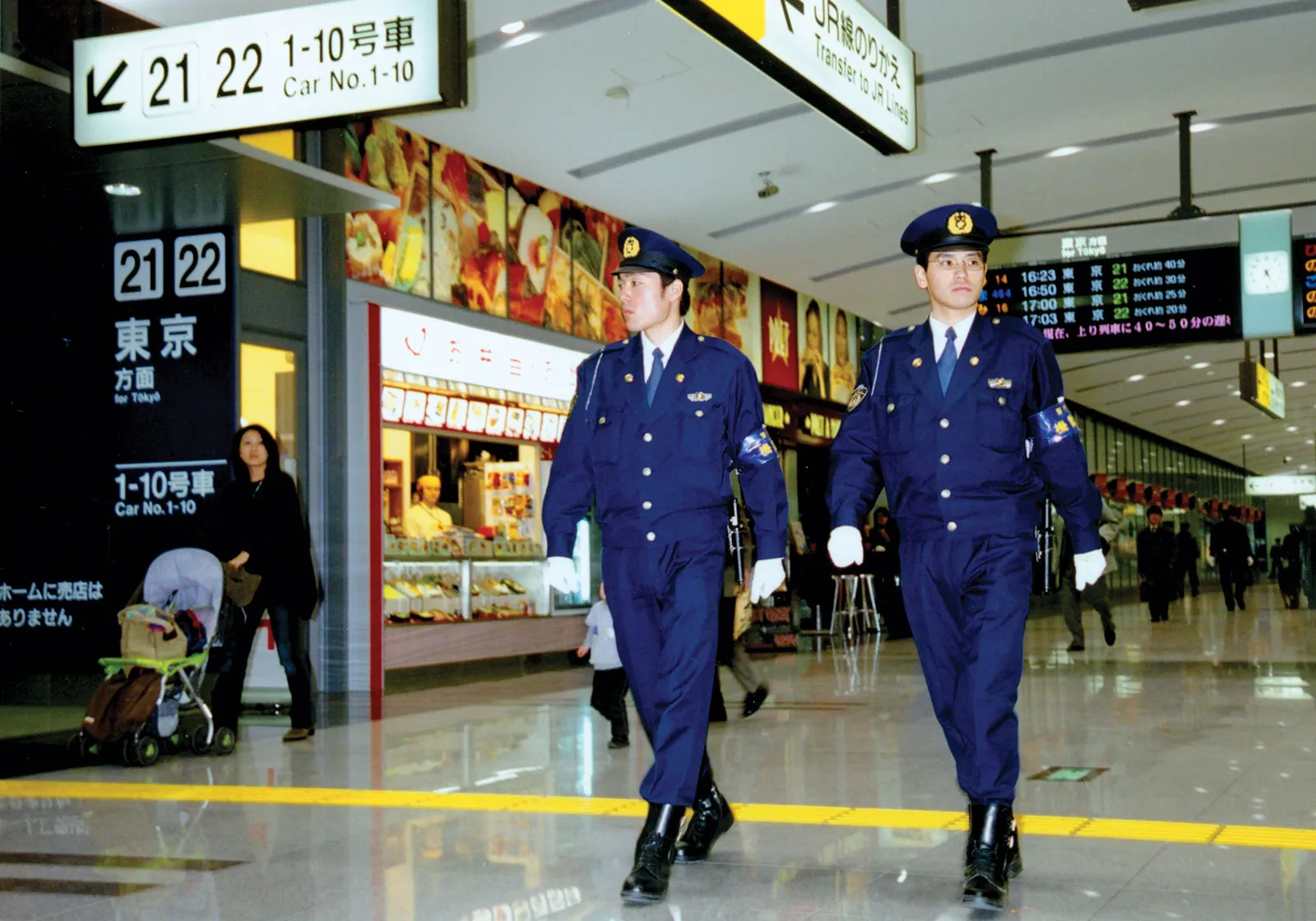
Law Enforcement Around the World Explained Simply
Law Enforcement Around the World Explained Simply – When people hear the term law enforcement, most immediately think about police officers, patrol cars, and criminal investigations. In reality, law enforcement is much broader than that and looks very different depending on where you are in the world. Each country builds its own system based on history, culture, politics, and social needs. Understanding how law enforcement works globally helps explain why policing feels strict in some places and more community-focused in others.
This article explains law enforcement around the world in a simple and easy-to-understand way, without complicated legal terms or academic explanations.
What Is Law Enforcement?
Law enforcement refers to government agencies responsible for maintaining public order, enforcing laws, preventing crime, and protecting citizens. These agencies have the authority to investigate crimes, arrest suspects, and ensure laws are followed.
While the core mission is similar everywhere, the structure, powers, and public expectations of law enforcement vary widely between countries. Some systems emphasize prevention and community trust, while others focus heavily on authority and control.
Law Enforcement Systems Around the World
Centralized vs Decentralized Law Enforcement
One major difference between countries is whether law enforcement is centralized or decentralized.
In centralized systems, a national government controls most policing activities. Countries like France and Japan operate under this model, where national agencies set policies, training standards, and enforcement priorities. This approach allows for consistency across regions but can sometimes feel distant from local communities.
Decentralized systems, such as those in the United States or Germany, give significant power to local or regional authorities. Cities, counties, or states manage their own police forces, allowing them to tailor law enforcement to local needs. However, this can also create uneven standards and practices across the country.
Civil Law vs Common Law Influence
Legal traditions strongly shape how law enforcement operates. Countries using common law systems, like the United Kingdom, Canada, and Australia, rely heavily on precedent and judicial interpretation. Police officers in these systems often have broader discretion in handling situations.
Civil law countries, including much of Europe, Latin America, and parts of Asia, follow detailed legal codes. Law enforcement officers in these regions typically operate under stricter procedural rules, with less room for interpretation.
Law Enforcement by Region
Law Enforcement in North America
In the United States, law enforcement is highly decentralized. Thousands of agencies operate at federal, state, county, and city levels. This includes federal agencies like the FBI and DEA, state police, county sheriffs, and municipal police departments. Each has its own jurisdiction and responsibilities.
Canada also uses a layered system, but with more national coordination. The Royal Canadian Mounted Police plays a significant role, especially in rural areas, while major cities maintain local police forces.
Law Enforcement in Europe
European law enforcement systems tend to be more centralized and standardized. Countries like France, Spain, and Italy rely on national police forces, sometimes alongside military-style gendarmerie units. These forces often handle both urban policing and national security duties.
In contrast, the United Kingdom combines regional police forces with national oversight. British policing traditionally emphasizes consent and community cooperation, which influences how officers interact with the public.
Law Enforcement in Asia
Asia presents a wide range of law enforcement models. Japan is known for its highly disciplined and community-oriented police system, with local police boxes that encourage daily interaction between officers and residents.
In countries like China, law enforcement is tightly connected to the central government. Police play a strong role in maintaining social order, and their authority extends into areas beyond traditional crime prevention.
Law Enforcement in the Middle East and Africa
Many Middle Eastern countries operate under centralized law enforcement systems with strong state control. Police forces often work closely with internal security agencies, especially in matters related to national stability.
Across Africa, law enforcement varies significantly. Some nations follow systems inherited from colonial administrations, while others struggle with limited resources, training challenges, and public trust issues. In many regions, police reform remains an ongoing process.
Roles Beyond Traditional Policing
Law enforcement is not just about catching criminals. Around the world, officers often take on additional roles depending on national needs.
In some countries, police handle traffic enforcement, immigration control, border security, and even disaster response. In others, these tasks are assigned to specialized agencies. The scope of law enforcement authority reflects how governments balance security, efficiency, and civil liberties.
Community Policing and Public Trust
Modern law enforcement increasingly emphasizes community policing. This approach focuses on building relationships with local residents, understanding community concerns, and preventing crime through cooperation rather than force.
Countries that invest heavily in community policing often experience higher public trust and better crime prevention outcomes. However, success depends on transparency, accountability, and consistent training.
Challenges Facing Law Enforcement Worldwide
Despite structural differences, law enforcement agencies around the world face similar challenges. These include rising cybercrime, international organized crime, terrorism, and public scrutiny driven by social media.
Officers must also balance enforcement with human rights. Excessive use of force, corruption, and lack of accountability can quickly damage public trust. As a result, many countries are reforming training programs, introducing body cameras, and strengthening oversight mechanisms.
The Future of Law Enforcement
Technology is rapidly changing law enforcement globally. Surveillance systems, artificial intelligence, data analysis, and digital forensics are becoming standard tools. While these innovations improve efficiency, they also raise concerns about privacy and misuse of power.
The future of law enforcement will likely depend on how well agencies adapt to technological change while maintaining ethical standards and public confidence.
Final Thoughts
Law enforcement around the world may look different on the surface, but its core purpose remains the same: to protect people and uphold the law. Understanding these differences helps explain why policing practices vary so widely between countries.
By viewing law enforcement through a global lens, it becomes clear that there is no single perfect system. Each nation continues to shape its approach based on its values, challenges, and social expectations, making law enforcement a constantly evolving field worldwide.

10 Creepiest Police Stations with Ghost Stories
10 Creepiest Police Stations with Ghost Stories – Police stations are usually associated with law, order, and security. But for some stations around the world, the line between reality and the supernatural is surprisingly thin. Many officers and visitors have reported eerie experiences, from unexplained noises to full-blown apparitions. These stories make certain police stations not just places of work, but hotspots for ghost enthusiasts and thrill-seekers alike.
While law enforcement is all about facts and evidence, ghost stories at police stations are an intriguing mix of history, mystery, and fear. These haunted stations remind us that sometimes, the past refuses to stay buried.
The Haunted Past of Police Stations
Most haunted police stations have a dark history. Many of them were built in the 19th or early 20th centuries, when crime and punishment were more brutal than today. Executions, violent arrests, and tragic deaths often occurred within their walls. Over time, these incidents have been linked to paranormal activity.
Officers often report cold spots, unexplained footsteps, or doors opening and closing on their own. Visitors sometimes feel an uneasy presence, as if the spirits of former prisoners, officers, or victims are still lingering. While skeptics may dismiss these tales, the sheer number of consistent reports across decades is hard to ignore.
1. Scotland Yard, London
Scotland Yard, one of the most famous police stations in the world, has its own share of ghost stories. Built in the 19th century, it has seen countless arrests and interrogations. Some officers have claimed to see shadowy figures in old corridors or hear whispering voices at night. Even tourists report a strange feeling when walking through certain areas of the building.
2. New York Police Headquarters, New York
The New York Police Headquarters in Manhattan has long been associated with paranormal tales. Many ghost hunters say the building retains the energy of past officers who worked long hours and never truly left. Strange sounds, sudden temperature drops, and objects moving without explanation have all been reported by staff and visitors.
3. Los Angeles Police Department Headquarters, California
The LAPD headquarters is not just famous for crime-fighting but also for eerie encounters. Officers have told stories of lights flickering, footsteps echoing in empty hallways, and unexplained shadows moving through corridors. The building’s long history of criminal investigations seems to have left a paranormal mark.
4. Old City Hall Police Station, Philadelphia
Philadelphia’s old city hall police station is often described as a place where the past never dies. Visitors and former officers have reported ghostly sightings in interrogation rooms and holding cells. Some believe these spirits are former inmates, still trapped in the location where they were confined decades ago.
5. Toronto Police Headquarters, Canada
The Toronto Police Headquarters has had multiple reports of strange phenomena. Security personnel have mentioned seeing doors slam on their own, hearing unexplained footsteps, and encountering shadowy figures. Many speculate that the historic nature of the building and its long history of criminal cases contribute to these hauntings.
6. Sydney Police Headquarters, Australia
Sydney’s police headquarters, like many historic police buildings, is known for its ghost stories. Officers have reported hearing voices when no one else is around, and some claim to have seen full apparitions. The building’s architecture, with dark hallways and old holding cells, only adds to the chilling atmosphere.
7. Boston Police Headquarters, Massachusetts
Boston’s police headquarters carries tales of restless spirits. Visitors often talk about sudden drops in temperature and unexplained noises. Some former employees insist that spirits of past officers continue their rounds at night, watching over the building and its inhabitants.
8. Chicago Police Headquarters, Illinois
Chicago has a long and sometimes violent history, and its police headquarters reflects that past. Ghost sightings have been reported in various parts of the building, including stairwells and old offices. Some paranormal experts suggest that these spirits are tied to former officers or criminals who met untimely ends on the premises.
9. Edinburgh Police Headquarters, Scotland
In Edinburgh, the police headquarters has gained a reputation for being haunted. Staff and visitors have reported hearing whispering voices and unexplained footsteps. Certain rooms are said to be more active than others, particularly those with a history of arrests or violent incidents.
10. Mumbai Police Headquarters, India
Mumbai’s police headquarters is one of the most talked-about haunted stations in Asia. Officers have reported seeing shadow figures, hearing screams late at night, and feeling sudden chills in specific areas. Many believe that the building’s long history, combined with the intensity of law enforcement in a bustling city, has left residual energy behind.
Why Police Stations Attract Ghost Stories
The nature of police work contributes to paranormal tales. Police stations are places of tension, trauma, and strong emotions. Death, crime, and suffering all leave psychological and sometimes supernatural imprints, according to paranormal researchers. Many haunted police stations were originally prisons or jails, amplifying their ghostly reputation.
Officers and visitors alike often report similar experiences: unexplained footsteps, voices, shadow figures, and cold spots. Whether these phenomena have a rational explanation or not, the stories continue to attract curiosity and intrigue.
The Cultural Fascination with Haunted Police Stations
Haunted police stations are a fascinating mix of history and mystery. They allow us to explore the darker sides of law enforcement while tapping into the human fascination with the supernatural. Ghost hunters, paranormal investigators, and even tourists often visit these locations to experience the eerie atmosphere firsthand.
These ghost stories also remind us that every building has a history, and some histories are impossible to forget. Police stations, with their mix of crime, justice, and human emotion, provide a unique backdrop for tales of the unexplained.
Conclusion: The Chilling Legacy of Haunted Police Stations
From Scotland Yard to Mumbai, haunted police stations continue to capture imaginations. Their stories are a blend of historical events, unexplained phenomena, and human fascination with the supernatural. While skeptics may dismiss these tales, countless officers and visitors swear by their experiences.
These stations remind us that even places dedicated to law and order are not immune to the mysteries of the past. Whether you are a believer in ghosts or a curious explorer, the world of haunted police stations offers a chilling and unforgettable glimpse into the unknown.
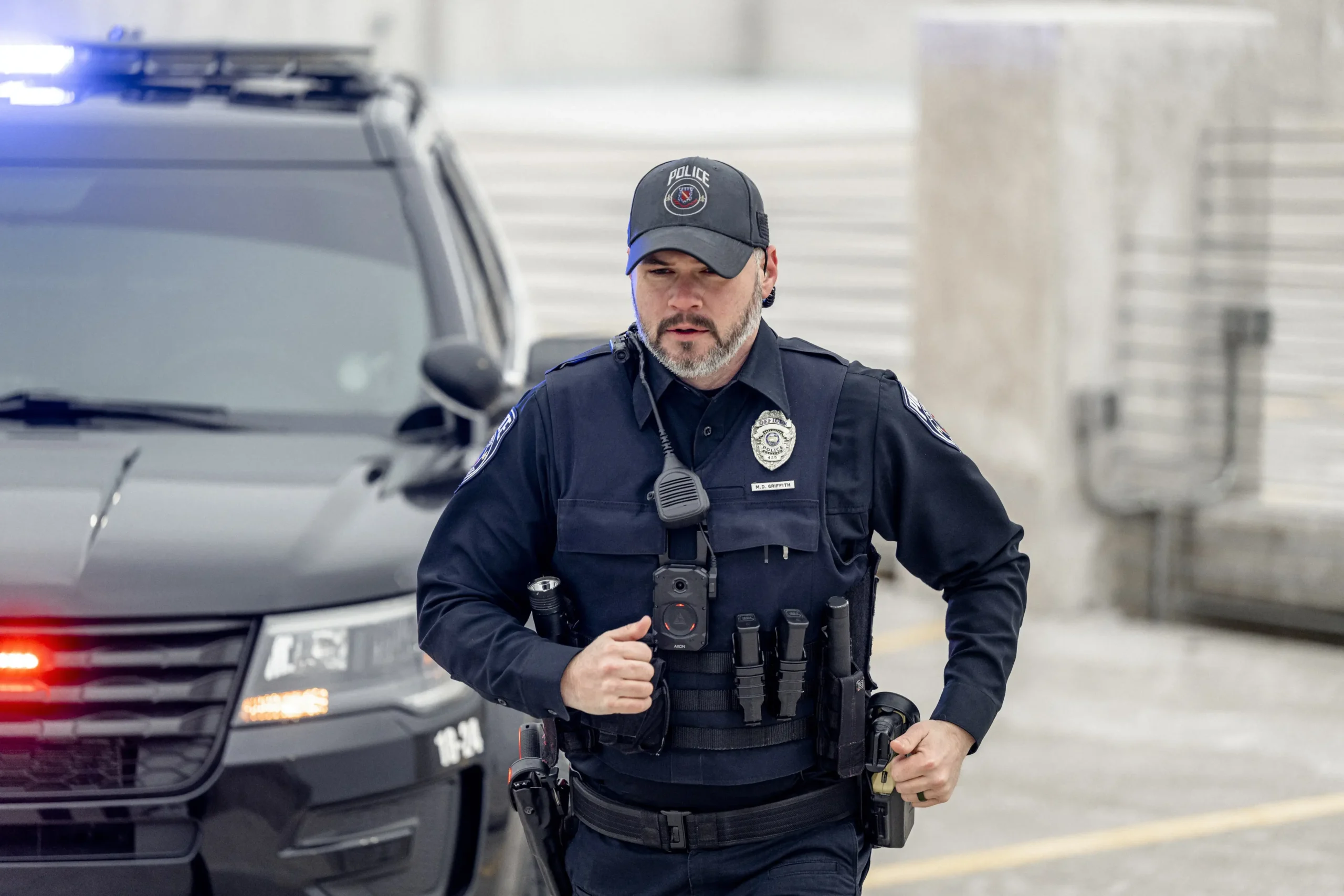
Law Enforcement Around the World Explained
Law Enforcement Around the World Explained – Law enforcement plays a crucial role in maintaining order, protecting citizens, and upholding the rule of law. While the core mission of law enforcement is similar everywhere, the way it operates can be very different from one country to another. Culture, legal systems, political structures, and historical backgrounds all influence how police and law enforcement agencies function across the globe.
Understanding how law enforcement works in different parts of the world helps us see why certain approaches succeed in one country but may not work as well in another. This article explores how law enforcement operates globally, highlighting key differences and shared principles in a simple and approachable way.
What Law Enforcement Means in a Global Context
At its core, law enforcement refers to government agencies responsible for enforcing laws, preventing crime, and maintaining public safety. These agencies are often empowered to investigate crimes, detain suspects, and work closely with judicial systems to ensure justice is served.
However, law enforcement is not a one-size-fits-all concept. In some countries, police forces operate at the national level, while in others, authority is divided between federal, regional, and local agencies. The scope of power, level of accountability, and public trust also vary widely depending on the country.
Law Enforcement Systems in Different Regions
Law Enforcement in North America
In countries like the United States and Canada, law enforcement is highly decentralized. In the U.S., for example, thousands of agencies operate at federal, state, county, and city levels. Federal agencies handle specific crimes such as terrorism or interstate offenses, while local police manage everyday law enforcement in their communities.
This system allows flexibility and local control, but it can also create inconsistencies in training, standards, and enforcement practices. Public scrutiny and media attention play a major role in shaping modern law enforcement policies in North America, especially regarding transparency and accountability.
Law Enforcement in Europe
European law enforcement tends to be more centralized, particularly in countries like France and Italy, where national police forces handle most responsibilities. In contrast, countries such as Germany operate under a federal system, with police forces managed at the state level.
European policing often emphasizes community engagement and preventive strategies. Many countries invest heavily in training, focusing on de-escalation and proportional use of force. Cross-border cooperation is also common in Europe due to shared legal frameworks and regional security agreements.
Law Enforcement in Asia
Asia presents a wide spectrum of law enforcement models. In countries like Japan and South Korea, police forces are known for strong discipline, high public trust, and close community ties. Neighborhood police stations play an important role in daily interactions between officers and residents.
In contrast, some developing countries in Asia face challenges such as limited resources, political influence, or inconsistent enforcement. Despite these challenges, many Asian nations are actively modernizing their law enforcement systems through technology, training, and international cooperation.
Law Enforcement in the Middle East and Africa
Law enforcement in the Middle East and Africa varies significantly depending on political stability and economic conditions. In some countries, law enforcement agencies are closely linked to national security forces and play a broader role in maintaining state authority.
In regions facing conflict or instability, law enforcement often focuses on basic security and crime prevention under difficult conditions. At the same time, many African nations are working to reform policing practices, improve accountability, and build stronger relationships with local communities.
Key Differences in Law Enforcement Approaches
Centralized vs Decentralized Policing
One of the biggest differences worldwide is how authority is structured. Centralized systems allow for uniform policies and training, while decentralized systems provide local flexibility. Each approach has advantages and drawbacks, depending on social and political contexts.
Use of Force and Public Accountability
Rules governing the use of force vary widely. Some countries maintain strict guidelines and emphasize minimal force, while others grant broader discretion to officers. Public oversight mechanisms, such as independent review boards or internal affairs units, also differ in effectiveness and transparency.
Technology and Modern Policing
Technology has become a global factor in law enforcement. Surveillance systems, digital databases, and forensic tools are now common worldwide. Wealthier countries often adopt new technologies faster, but even developing nations are increasingly using digital tools to improve crime prevention and investigations.
Shared Challenges Facing Law Enforcement Worldwide
Despite differences, law enforcement agencies around the world face similar challenges. These include adapting to cybercrime, combating organized crime networks, and maintaining public trust. Social media and instant communication have also increased public expectations for transparency and accountability.
Another shared challenge is balancing security with civil liberties. Governments and law enforcement agencies must constantly navigate the line between protecting citizens and respecting individual rights.
The Future of Global Law Enforcement
As crime becomes more transnational, cooperation between countries is more important than ever. Information sharing, joint operations, and international training programs are shaping the future of law enforcement worldwide.
Reform efforts, community policing, and professional development are also becoming central themes globally. While the path forward looks different in each country, the goal remains the same: safer communities and fair enforcement of the law.
Conclusion
Law enforcement around the world is shaped by history, culture, and legal traditions, yet it shares a common purpose across borders. By understanding how different systems operate, we gain a clearer picture of global security and justice. As societies evolve, law enforcement will continue to adapt, reflecting the needs and values of the communities it serves.
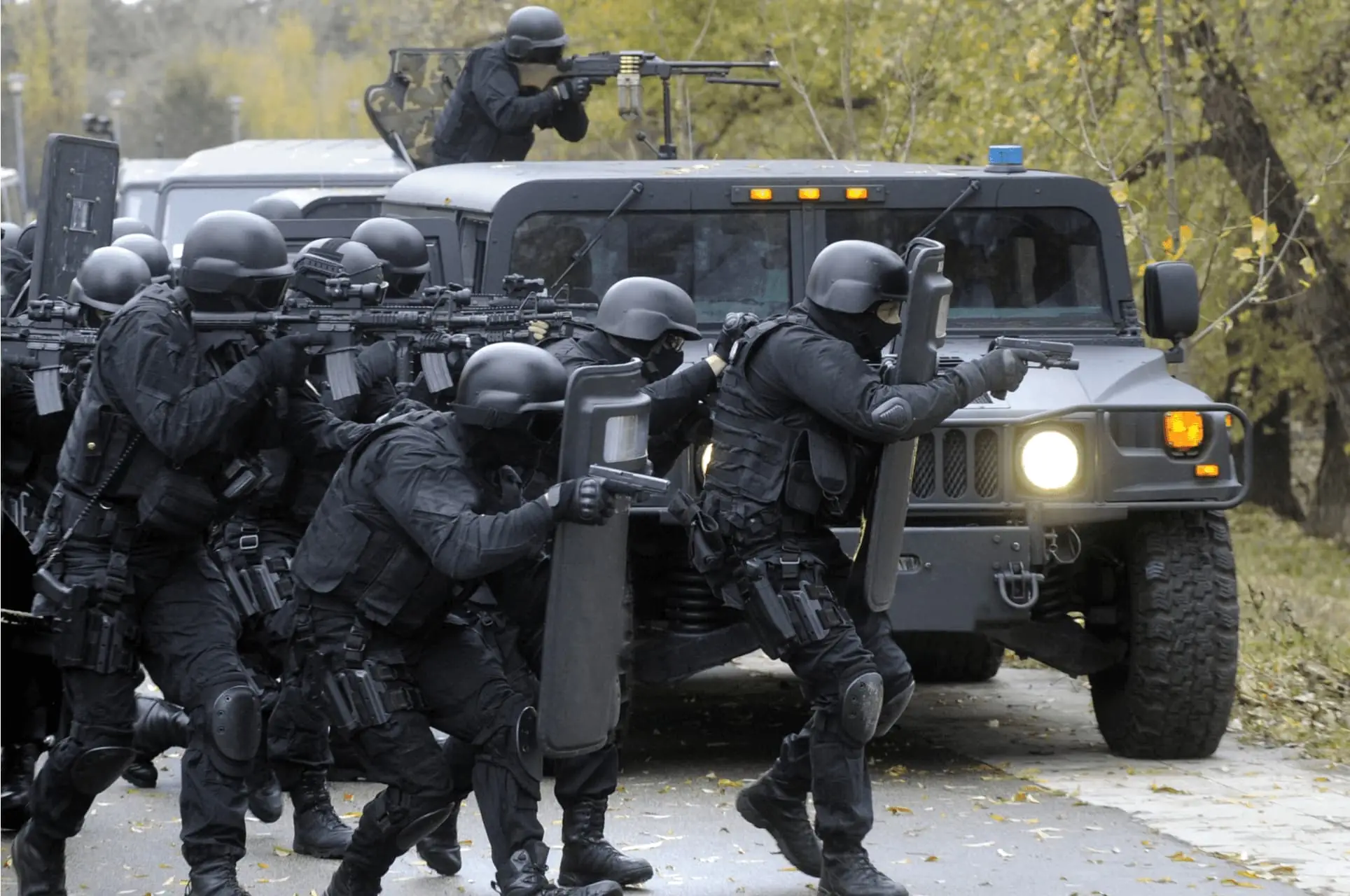
How Police Forces Operate Across Different Countries
How Police Forces Operate Across Different Countries – Police forces play a vital role in maintaining law and order worldwide, but their structure, methods, and responsibilities can vary dramatically depending on the country. Understanding these differences not only provides insight into law enforcement but also highlights how cultural, legal, and political factors shape policing strategies.
The Role of Police in Society
At their core, police forces exist to protect citizens, prevent crime, and ensure justice. While this mission is universal, the way it is executed differs widely. In some countries, the police serve primarily as a community resource, focusing on building trust and preventing crime before it happens. In others, the emphasis might be on strict law enforcement and rapid response to criminal activity.
The public perception of the police is also influenced by historical and cultural contexts. In countries where law enforcement is highly respected, police officers are seen as essential partners in community safety. In places with a history of corruption or political misuse of power, citizens may approach police interactions with caution.
Police Organization Around the World
United States
The United States has a highly decentralized policing system. Local, state, and federal agencies all operate independently but sometimes collaborate on major investigations. Local police departments handle day-to-day law enforcement in cities and towns, while state police or highway patrol manage broader issues, such as traffic safety and state-level investigations. Federal agencies, like the FBI or DEA, tackle crimes that cross state or national borders.
Community policing is a growing focus in many U.S. cities, aiming to build stronger relationships between officers and residents. However, challenges such as gun violence and systemic disparities continue to shape public discourse about policing.
United Kingdom
In the UK, policing is generally centralized at the national level, but regional police forces handle local matters. Officers are often seen as approachable and are expected to operate with a principle known as “policing by consent,” meaning public support is key to effective law enforcement.
British police also place a strong emphasis on investigation and prevention rather than armed intervention. Most officers do not carry firearms, reflecting the country’s focus on community safety and negotiation over force.
Japan
Japan is often cited as having one of the safest societies in the world, partly due to its unique approach to policing. The Japanese police system combines national oversight with local engagement. Each neighborhood has a koban, or small police box, staffed by officers familiar with the local community.
This approach encourages trust and allows police to respond quickly to minor incidents, preventing them from escalating. Officers in Japan are also highly trained in non-violent conflict resolution, reflecting cultural preferences for harmony and social order.
Germany
German policing operates under a federal system, where each state (Land) has its own police force. While this creates some variation in rules and procedures, overall coordination is maintained through national standards and cooperation.
German police are known for thorough investigations and professional training. There is also a strong emphasis on transparency and accountability, with independent oversight agencies monitoring police conduct.
Brazil
Brazilian police face unique challenges due to high crime rates in urban centers and complex social inequalities. The country has both civil and military police. Civil police handle investigations and detective work, while military police are responsible for maintaining public order and patrolling streets.
Violent crime and organized criminal networks create high-risk conditions for officers, influencing both tactics and public perception. Community policing initiatives are emerging, but challenges remain significant.
Training and Recruitment Differences
The way police officers are trained reflects the priorities and challenges of each country. In the United States, recruits undergo academy training that combines law, firearms, and tactical exercises with some focus on community relations. The duration and intensity vary by state and agency.
In contrast, countries like Finland emphasize social skills, psychology, and conflict resolution alongside traditional law enforcement techniques. Japanese police training includes rigorous physical and mental preparation, with long apprenticeships in local stations to build community knowledge.
Recruitment standards also differ. Some countries, such as Germany and Japan, require higher education or specific civil service qualifications, while others prioritize physical fitness or prior experience.
Policing Methods and Technology
Modern police forces rely on technology to enhance their capabilities. Surveillance cameras, data analytics, and digital databases are common in many countries. For example, South Korea is known for advanced CCTV networks and predictive policing systems, which help prevent crime before it happens.
However, methods vary depending on culture and legal frameworks. In the UK, the use of surveillance and stop-and-search practices is heavily regulated to protect civil liberties. In the United States, body cameras and community outreach programs are increasingly used to maintain accountability and trust.
Challenges Facing Police Globally
Despite differences, police forces around the world share similar challenges. Rising urbanization, cybercrime, and organized criminal networks create new pressures. Additionally, public scrutiny of law enforcement practices is increasing in most countries, driven by social media and global awareness campaigns.
Corruption and misuse of power remain persistent issues in certain regions. Countries with strong oversight and training programs generally experience lower levels of misconduct, while others struggle to maintain public trust. Balancing enforcement with respect for civil rights is a universal concern for modern policing.
Community Policing and Public Trust
Across countries, there is a growing recognition that effective policing depends on public cooperation. Community policing strategies emphasize engagement, transparency, and problem-solving. This approach not only prevents crime but also improves relationships between citizens and officers.
Programs vary widely. In Japan, the koban system fosters daily interactions with locals. In Canada and New Zealand, officers collaborate with indigenous communities to address unique social challenges. In the U.S., neighborhood watch partnerships and youth outreach programs aim to reduce crime while building trust.
Conclusion
Police forces around the world operate under vastly different systems, influenced by history, culture, and legal structures. From the community-focused koban in Japan to the decentralized networks of the United States, each approach reflects the priorities and challenges of the society it serves.
Understanding these differences is not just an academic exercise—it can inform policy, enhance international cooperation, and improve public trust. While methods vary, the universal goal remains the same: to protect citizens, maintain order, and uphold justice. The evolution of policing worldwide continues to adapt to technological advances, social expectations, and the ever-changing landscape of crime.
By examining these international approaches, it becomes clear that effective policing requires a balance of authority, transparency, and community engagement—a lesson every nation can learn from.
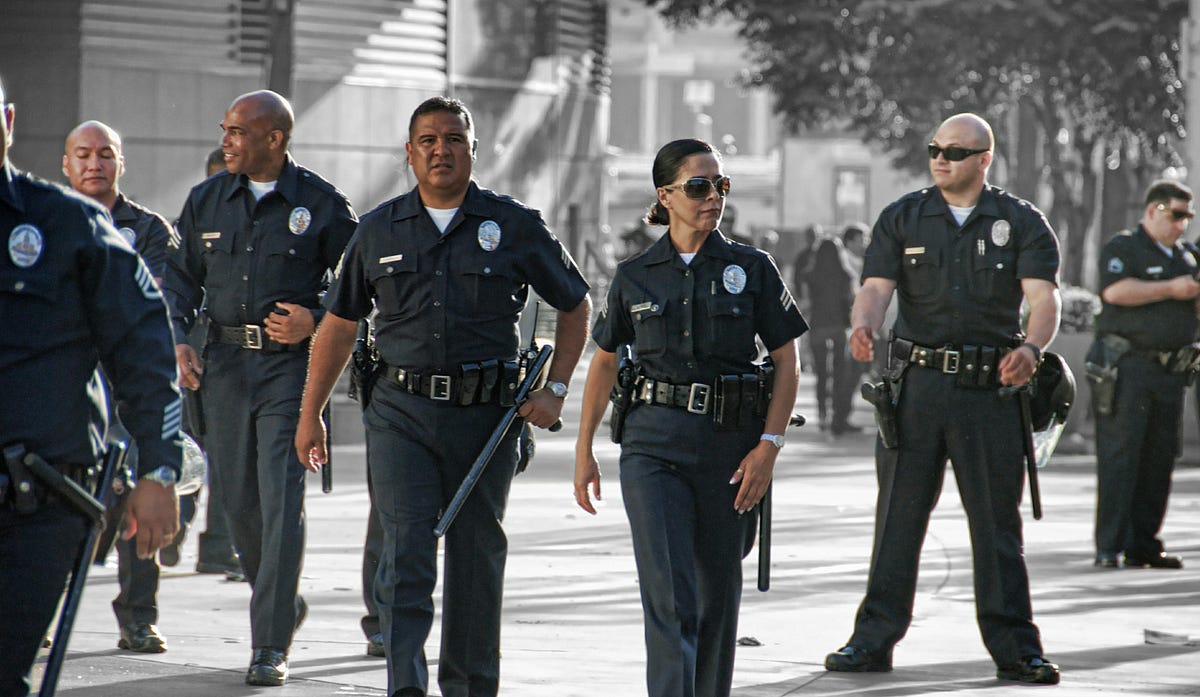
Police Around the World Stories Traditions Duty
Police Around the World Stories Traditions Duty – Police forces are more than just uniforms and badges. They represent the face of law and order in every country, carrying unique stories, traditions, and ways of serving their communities. Even though the role of police is similar worldwide, each country brings its own culture, history, and challenges to the job. In this article, we will take a friendly journey through police traditions around the world, the everyday duties they perform, and the stories that make them human.
The Universal Duty of Police
Police officers are tasked with keeping peace, protecting citizens, and enforcing laws. While the tools and methods may differ from country to country, the core responsibility stays the same: to serve and protect. In many places, police work goes beyond catching criminals. Officers often act as counselors, mediators, and community helpers.
In some countries, police are the first responders in emergencies, helping with accidents, fires, and natural disasters. In others, they are involved in community projects, like neighborhood watches or school programs. What’s common everywhere is that police officers are expected to act with integrity, respect, and fairness.
Police Traditions Across Different Countries
Japan: Policing with Respect and Community
Japan is famous for its low crime rates, and part of that comes from how police work within communities. Japanese police officers often walk the streets, talk with residents, and build trust through daily interaction. Their approach is more about prevention than punishment. You will often see police officers in small police boxes called “koban,” which serve as local hubs for the community.
This tradition helps people feel safer and more connected. Instead of waiting for crimes to happen, police stay visible and involved in everyday life.
United Kingdom: A Long History of Service
The UK has one of the oldest modern police systems in the world. The tradition of “bobbies” – named after Sir Robert Peel – still influences the British police culture today. British police are known for their emphasis on public trust and accountability.
Officers in the UK often work closely with local communities, attending meetings and listening to concerns. The focus is on preventing crime through cooperation and communication.
France: The Art of Policing in the City of Lights
France has a strong police presence, especially in big cities like Paris. French police have a reputation for being both strict and efficient. Their tradition involves a strong hierarchy and disciplined structure. Alongside regular police, France also has specialized units for different tasks, like riot control and anti-terrorism.
The French police are often involved in maintaining order during major public events, such as festivals and demonstrations. Their work requires balancing safety with respect for civil rights.
United States: Diverse Forces with Big Responsibilities
The United States has a wide range of police agencies, from local city departments to federal law enforcement. This diversity reflects the country’s size and complexity. American police officers often face unique challenges, including high rates of crime in some areas and intense public scrutiny.
In many communities, police officers also act as mentors and role models, working with youth programs and community initiatives. Despite differences across states and cities, American police share a common mission: to protect citizens and uphold the law.
Stories That Show the Human Side of Police
Police officers are humans first. They experience fear, joy, stress, and pride just like everyone else. Their stories often reveal how much they care about their communities.
One common story around the world is how officers go beyond their duties to help people in need. From helping lost children find their parents to supporting victims of crime, police work can be deeply emotional. These moments often remind us that policing is not just a job, but a commitment to serve others.
Another story that appears in many countries is the bond between officers. Police work can be dangerous and stressful, and having a strong team can make all the difference. Officers often form close friendships, supporting each other through tough times and celebrating successes together.
Challenges and Expectations in Modern Policing
Today, police forces face new challenges. Technology, social media, and changing public expectations have transformed the way police operate. In many places, citizens demand more transparency and accountability, while also expecting quick and effective responses.
Police officers must balance enforcement with empathy. They are expected to handle mental health issues, domestic violence, and community conflicts with care. This requires training, patience, and strong communication skills.
At the same time, police must stay prepared for serious threats like terrorism, organized crime, and cybercrime. This means constantly learning and adapting to new dangers.
The Future of Policing: A More Connected World
As the world becomes more connected, police forces are also evolving. Many countries now use technology to improve crime prevention, investigation, and community engagement. Tools like body cameras, data analytics, and mobile apps are changing the way police work.
However, technology alone is not enough. The future of policing depends on trust. When communities trust their police, cooperation increases, and safety improves. Building trust requires open communication, fairness, and respect for human rights.
Conclusion: A Shared Mission, Different Paths
Police forces around the world share a common mission: to keep people safe. But the way they carry out that mission reflects their country’s history, culture, and values. From the neighborhood police boxes in Japan to the community-focused approach in the UK, every tradition tells a story of service.
At the end of the day, police officers are part of the communities they protect. Their work may be tough, but their dedication often makes a real difference. Whether you see them patrolling the streets or helping someone in need, police officers around the world continue to carry the same goal: to serve with honor and protect with courage.