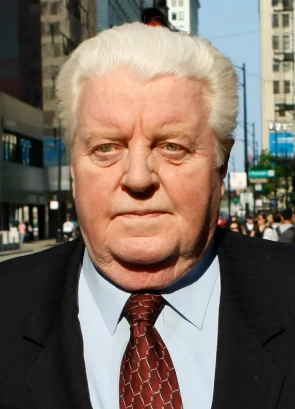
The Story of Jon Burge and the Chicago Police Torture Controversy | The name Jon Burge remains closely associated with one of the darkest controversies in the history of the Chicago Police Department. For years, allegations emerged that Burge and detectives working under his supervision used violent and coercive interrogation techniques against criminal suspects, particularly Black men.

The controversy stretched across nearly two decades, from the early 1970s into the early 1990s. What initially appeared to be a series of individual complaints eventually developed into a major scandal involving allegations of torture, coerced confessions, wrongful convictions, institutional silence, and racial injustice.
The Burge story is important not only because of what allegedly happened inside Chicago police interrogation rooms, but also because of the long struggle that followed to obtain justice for the people who said they had been abused.
Who Was Jon Burge?
Jon Burge joined the Chicago Police Department after serving in the United States military during the Vietnam War. In 1972, he became a detective and was assigned to Area 2 on Chicago’s South Side.
Burge eventually rose through the department and became a commander. During his career, he was involved in investigating serious crimes and supervised other detectives.
His professional reputation changed dramatically as allegations of police abuse began to surface.
Detectives associated with Burge were sometimes referred to as the “Midnight Crew.” Survivors and investigators later described a pattern of aggressive interrogation practices connected to Burge and officers under his command.
Allegations of Torture
The allegations surrounding Burge involved much more than ordinary police questioning.
Former suspects described being beaten, threatened, suffocated, burned, and subjected to electrical shocks. Some also reported being threatened with firearms or subjected to simulated executions.
According to accounts from survivors, these methods were used to pressure suspects into giving statements that investigators wanted.
The alleged purpose was often to obtain a confession or information that could support a criminal prosecution.
The consequences could be devastating. Once a confession entered a criminal case, it could become extremely difficult for a defendant to convince prosecutors, judges, or jurors that the statement had been produced through coercion.
Andrew Wilson and a Turning Point
One of the cases that brought major attention to the controversy involved Andrew Wilson.
Wilson was arrested in 1982 after being accused of killing two Chicago police officers. Following his arrest, he said that detectives had severely abused him during interrogation.
His physical condition after questioning became an important piece of evidence. Medical observations and photographs raised serious questions about what had happened while Wilson was in police custody.
The Wilson case became a turning point because it provided a concrete example around which broader allegations could be investigated.
It also demonstrated the difficulty faced by people who attempted to challenge police conduct after already being convicted.
From Individual Complaints to a Larger Scandal
As additional people came forward, the controversy grew considerably.
More suspects alleged that they had experienced similar treatment during interrogations. The similarities between different accounts raised questions about whether the abuse was the work of isolated individuals or part of a wider culture within certain police units.
Internal investigations eventually identified serious problems in the way suspects had been treated.
The issue therefore expanded beyond Jon Burge himself.
It became necessary to examine the actions of fellow officers, supervisors, prosecutors, and other officials who may have encountered allegations of abuse but failed to respond effectively.
The Racial Dimension
Race was a central element of the Burge controversy.
Most of the people identified as survivors were Black men. The alleged abuse occurred primarily in Chicago neighborhoods with large Black populations.
For many community activists, this made the scandal inseparable from Chicago’s broader history of racial inequality and mistrust between Black communities and law enforcement.
The controversy raised difficult questions about whether racial stereotypes influenced the way suspects were treated and whether complaints from Black defendants received the attention they deserved.
For survivors and their supporters, the scandal represented not simply police brutality but a profound failure of equal justice.
The Problem of Coerced Confessions
One of the most serious consequences of the alleged abuse was the possibility of wrongful convictions.
A confession can carry enormous weight in a criminal investigation. Even when other evidence is weak, investigators and prosecutors may regard a confession as a powerful indication of guilt.
But a statement obtained through threats or physical abuse is fundamentally different from a voluntary confession.
Several people connected to the Burge cases argued that they had confessed to crimes because they believed continued resistance would lead to further violence.
This created a chain of potential injustice:
Police abuse → coerced confession → criminal prosecution → conviction → imprisonment
Once a conviction had been entered, reversing the damage could take years or even decades.
Why Was Accountability So Difficult?
The controversy lasted for years partly because legal and institutional obstacles made prosecution difficult.
Many of the alleged acts occurred long before prosecutors were able to pursue criminal charges. By the time federal authorities brought a case against Burge, the statute of limitations had expired for many of the underlying torture allegations.
This created an unusual legal situation.
Burge was eventually prosecuted for lying about the alleged abuse rather than being federally prosecuted for the torture itself.
The distinction is important because his final criminal conviction did not represent a direct criminal judgment for every act of abuse attributed to him.
Burge Leaves the Police Department
Burge was suspended from the Chicago Police Department in the early 1990s and was ultimately fired in 1993.
His departure did not bring the controversy to an end.
Former suspects continued challenging their convictions. Lawyers examined old interrogation records, activists organized campaigns, and families sought answers about what had happened to their relatives.
The scandal had become larger than the career of one police officer.
It had become a question about how a major city should respond when allegations of serious misconduct involve its own law-enforcement institutions.
The Effect on Death Penalty Cases
The controversy also reached some of the most serious cases in the Illinois criminal justice system.
Several people connected to the Burge cases had received death sentences. Concerns about the reliability of confessions became particularly serious when the ultimate punishment was involved.
In 2003, Illinois Governor George Ryan took extraordinary action concerning the state’s death row, including cases involving people connected to the Burge torture controversy.
These developments helped intensify public discussion about the dangers of relying on confessions obtained under questionable circumstances.
Burge’s Federal Conviction
In 2010, Jon Burge was convicted in federal court of perjury and obstruction of justice.
The charges were connected to statements he had made under oath in a civil proceeding. Burge had denied using or knowing about improper interrogation methods, but prosecutors presented evidence challenging those denials.
His conviction marked an important moment in the long history of the scandal.
Although prosecutors could not pursue many of the original torture allegations because of legal time limits, Burge was still held criminally responsible for lying about the conduct.
Prison and the End of His Career
Burge was sentenced to 54 months in federal prison in 2011.
His imprisonment brought a measure of accountability, but it did not resolve the consequences experienced by the alleged survivors.
Some had lost years of their lives behind bars. Others struggled with damaged reputations, financial hardship, broken family relationships, and the psychological consequences of alleged abuse.
The Burge case therefore continued to exist beyond the courtroom.
The Fight for Reparations
Survivors and activists continued campaigning for official recognition and compensation.
Their efforts eventually contributed to a reparations program approved by the City of Chicago in 2015.
The program represented an important acknowledgment that the consequences of police torture could not be addressed solely through individual criminal prosecutions.
Eligible survivors received financial compensation, while the broader initiative also included educational and community-based elements.
The reparations process demonstrated that accountability can take different forms. A criminal conviction may punish an individual, but reparations can address some of the broader harm experienced by survivors and their communities.
The Role of Survivors and Activists
The Burge scandal remained in public view largely because survivors and their supporters refused to let the issue disappear.
People who had experienced abuse continued telling their stories. Attorneys investigated cases that were decades old. Community organizations organized demonstrations and public campaigns.
Their persistence helped transform the controversy from a collection of old criminal cases into a national discussion about police accountability.
This history also shows why survivors can play an important role in exposing institutional misconduct.
Official investigations may begin a process, but sustained pressure from affected communities can be crucial in keeping that process alive.
Why the Burge Story Still Matters
The Jon Burge controversy continues to matter because it raises fundamental questions about the limits of police authority.
Police officers have significant power when questioning people in custody. That power comes with a responsibility to respect legal rights and human dignity.
When coercion replaces legitimate investigation, the consequences can extend far beyond a single interrogation room.
A coerced confession can influence an entire criminal case. If that confession contributes to a wrongful conviction, the victim may lose years of freedom while the real circumstances of the crime remain unresolved.
The case also demonstrates how institutional failures can make correction extremely difficult.
Lessons From the Chicago Police Torture Scandal
Several important lessons can be drawn from the Burge controversy.
Police Accountability Must Be Independent
Complaints against law-enforcement officers require serious and impartial investigation. Internal loyalty should never take priority over the protection of citizens.
Confessions Must Be Examined Carefully
A confession should not automatically be treated as proof of guilt. Investigators and courts must consider how it was obtained and whether independent evidence supports it.
Wrongful Convictions Have Long-Term Consequences
Even after a conviction is overturned, a person may have lost years of education, employment, relationships, and family life.
Historical Abuse Cannot Simply Be Forgotten
Past misconduct can continue affecting communities long after the original events. Public acknowledgment and education can be important parts of addressing that legacy.
Survivors Deserve Recognition
Justice is not always limited to imprisonment of a perpetrator. Survivors may also need compensation, support, official acknowledgment, and opportunities to tell their stories.
Conclusion
The story of Jon Burge is a deeply troubling chapter in Chicago’s history of policing and criminal justice.
For nearly two decades, Burge and detectives associated with his command were accused of using abusive interrogation practices against numerous suspects, most of them Black men. The resulting controversy raised serious concerns about coerced confessions, wrongful convictions, racial inequality, and institutional accountability.
Burge was eventually removed from the police department and later convicted in federal court for perjury and obstruction of justice. Yet his conviction was only one part of a much longer struggle.
Survivors and their advocates continued fighting for recognition and reparations, demonstrating that the effects of alleged police torture can remain long after the interrogation itself has ended.
The Burge case ultimately serves as a reminder that a justice system must protect not only victims of crime, but also the rights and dignity of people accused of committing those crimes. Without accountability and proper safeguards, the pursuit of justice can itself become a source of profound injustice.