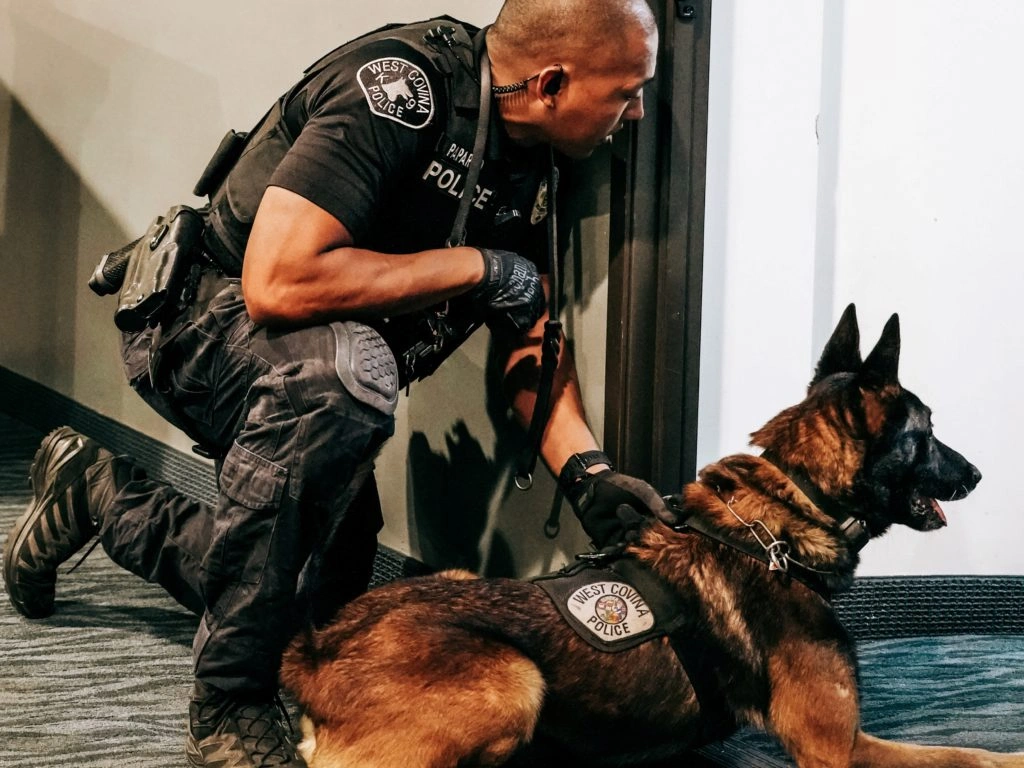
The Origin of K-9 Units: From Medieval Times to Modern Day
The Origin of K-9 Units: From Medieval Times to Modern Day | The bond between humans and dogs spans thousands of years, but their transformation from simple guardians into official components of modern law enforcement is a story of remarkable intelligence, loyalty, and adaptation. Today, we frequently see these formidable dogs wearing specialized vests as they stride through airports, sweep secure areas, or help officers manage large demonstrations. Known globally as K-9 units (a phonemic play on the word canine), these extraordinary animals are far more than pets; they are dedicated law enforcement personnel with official ranks, legal protections, and duties that often put their lives on the line.
How did their involvement in the world of crime prevention begin? Which breeds lead the front lines today? And why remains their role irreplaceable by even the most advanced technology? Let us dive deep into the long journey of these four-legged officers in keeping global communities safe.
From the Middle Ages to the Streets of London: A Historical Retrospective
Tracing back the timeline of using dogs to hunt down criminals reveals that this practice is by no means a modern phenomenon. Its roots extend deep into the Middle Ages in Europe.
Pursuing Outlaws in Scotland and France
In the early days, villagers often pooled their wealth to pay for the upkeep of the parish constable’s bloodhounds. These dogs were used specifically to track down outlaws and fugitives who fled into dense forests or remote terrains.
The earliest official record of dogs being utilized by law enforcement authorities dates back to the early 14th century in St. Malo, France. In this bustling port city, guard dogs were unleashed at night to secure the docks and piers from nighttime plunderers.
Meanwhile, by the late 14th century, Scotland began utilizing a strain of bloodhounds they referred to as “Slough dogs.” This very term eventually gave birth to the English word “sleuth” (meaning detective or investigator), which we still use today. For centuries afterward, the primary focus of police dogs across the British Isles and the European continent remained the same: harnessing their keen sense of smell to track human footprints.
Urbanization and a Notorious Failure in the Era of Jack the Ripper
As the 19th century brought massive waves of urbanization to England and France, crime rates skyrocketed. Conventional law enforcement in London, known at the time as the Bow Street Runners, struggled to contain the chaos on their own. Consequently, private citizen associations began hiring night watchmen who were equipped with firearms and dogs to protect their properties.
Despite the urgent need for tracking dogs, integrating them into official police institutions was not a seamless process. One of the most famous—and embarrassing—experiments occurred in 1889. Sir Charles Warren, the Commissioner of the London Metropolitan Police at the time, faced immense pressure and vilification from the press for his failure to identify and apprehend the legendary serial killer, Jack the Ripper.
In response to the fierce criticism, Warren attempted to train two bloodhounds to track the killer from the scene of one of the crimes. Unfortunately, the test ended in disaster. Instead of uncovering clues, one of the hounds bit the Police Commissioner, and both dogs subsequently ran off, forcing the London police to launch a separate search operation just to find them.
Continental Europe and the Birth of Modern K-9 Policing
The failure in London did not halt innovation elsewhere. In fact, it was in Continental Europe that the concept of using dogs for policing was developed scientifically and organizationally for the first time.
Pioneers from Belgium and Germany
The city of Ghent in Belgium goes down in history as the pioneer that launched the world’s first organized police dog service program in 1899. This innovative step quickly caught the attention of neighboring countries, including Austria-Hungary and Germany.
Germany then took this methodology to a much higher level through a rigorous scientific approach. They began serious experiments in dog breeding and training methodologies. In 1920, the German police opened the very first specialized dog training school in Greenheide.
It was here that the German Shepherd was selected as the ideal breed for police work due to its combination of obedience, strength, and intelligence. These dogs were systematically trained to obey handler commands, track scents, and neutralize criminals trying to escape or attack.
Developments in Britain and Global Adoption
Witnessing the success in Continental Europe, Britain began catching up. In 1908, the North Eastern Railway Police started using police dogs to put an end to theft at the Hull docks. Two years later, in October 1910, the City of Nottingham became the first territorial police force in the UK to officially purchase and operate a specially-trained police dog to assist officers on night patrols. From that point forward, the use of K-9s spread globally, becoming a mandatory standard for modern law enforcement.
Elite Breeds at the Front Lines of Law Enforcement
Not all dogs possess the mental and physical qualifications required to become a K-9. The modern law enforcement industry is highly selective, typically relying on a few specific breeds that display exceptional work characteristics:
-
German Shepherd: Historically, this breed is the ultimate icon associated with the image of a police dog. They are highly intelligent, loyal, easily trained, and possess an intimidating physical stature that deters criminal behavior.
-
Belgian Malinois: In recent years, this breed has overtaken the German Shepherd as the primary choice for various elite military and police units worldwide. Their slightly smaller frame makes them more agile, and they possess an incredibly high energy drive, intense focus, and superb physical endurance in extreme weather conditions.
-
Bloodhound: Blessed with the sharpest sense of smell in the animal kingdom. This breed is rarely used for physical apprehension; instead, they are the premier asset for missing person missions or tracking fugitives who have been on the run for days.
-
Dutch Shepherd: Similar to their Belgian and German relatives, these dogs are known for their remarkable focus, protective nature, and high efficiency in tactical operations.
-
Labrador Retriever: With their friendly and non-intimidating appearance, Labradors are the perfect choice for detecting narcotics and explosives in crowded public spaces like airports, transit stations, or high-profile diplomatic events.
Duties and Specializations of Modern K-9 Units
In the modern era, K-9 units are no longer restricted to chasing down street criminals. Their duties have been specialized into several crucial functions that help keep communities safe:
Narcotics and Explosives Detection
Utilizing millions of scent receptors in their noses, detection dogs can sniff out addictive substances or bomb components hidden deep inside concrete walls, fuel tanks, or even underneath thick layers of coffee grounds. Their ability to detect micro-molecules has yet to be fully matched by any man-made scanning technology.
Search and Rescue (SAR) Operations
When natural disasters such as earthquakes or landslides strike, K-9s become the greatest hope for locating victims trapped beneath rubble. They can distinguish the scent of living humans from the deceased at significant depths.
Protection and Suspect Apprehension
In high-risk tactical situations—such as hostage crises or arresting armed suspects—K-9s are deployed to neutralize targets without the immediate need to discharge lethal firearms. Their powerful bite and rapid acceleration can stop an escaping suspect in a matter of seconds.
The Emotional Bond and Legal Protection for K-9s
What makes a K-9 unit uniquely distinct from other law enforcement divisions is the profound relationship between the dog and its handler. Initial training typically lasts between eight months and a year. During this period, the dog and the handler learn to read each other’s body language, master verbal cues, and understand hand gestures.
This relationship does not end when the shift is over. In many countries, K-9 dogs live at home with their handlers, making them a true part of the family. This deep emotional bond is what transforms them into an extraordinary, cohesive team in the field.
Recognizing their sacrifices and status as valuable law enforcement assets, many nations have instituted strict legal protections for them. Intentionally injuring, abusing, or killing a police dog is treated as a felony charge equivalent to assaulting a human police officer, subjecting perpetrators to years in federal prison.
The extensive journey from simple dock guardians in 14th-century France to fully integrated tactical partners in the modern era highlights just how vital K-9 units are to human civilization. Amidst the rise of artificial intelligence and sophisticated electronic sensors, the loyalty, bravery, and natural instincts of a police dog remain completely irreplaceable. They are silent protectors, faithfully keeping our neighborhoods safe, one track at a time.
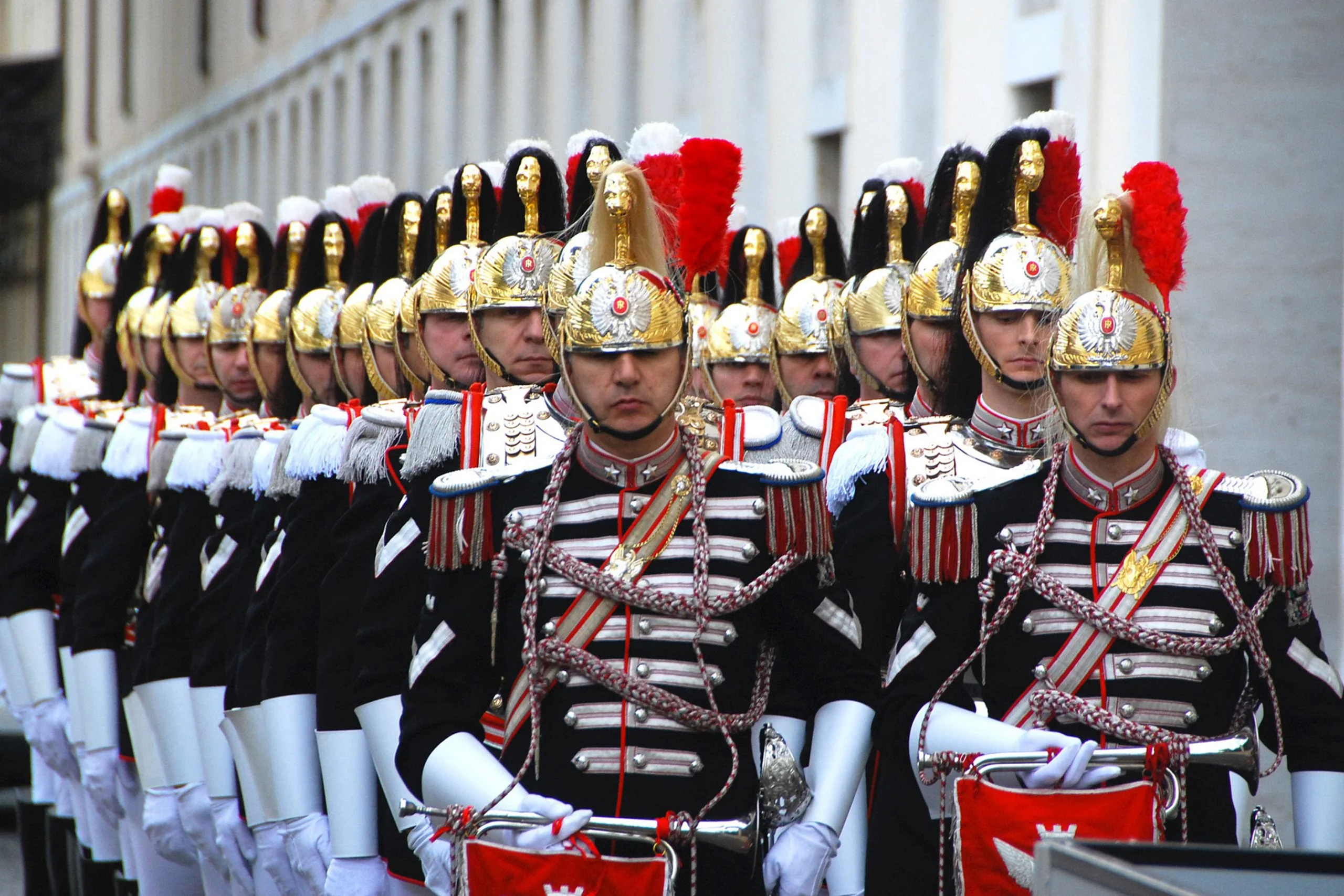
Carabinieri: The Historic Military Police Guarding Italy
Carabinieri: The Historic Military Police Guarding Italy | Every nation has its frontline defenders of law and order. However, few countries possess a security force with a structure as unique as one that combines military rigor with a humanistic approach to serving civilians. In Italy, this distinguished dual role is carried out by the Carabinieri.
Walking through the streets of Rome, Milan, or the remote coastal villages of Tuscany, visitors frequently encounter these sharply dressed officers with their distinctive red-trimmed uniforms and plumed hats. They are no ordinary police officers. The Carabinieri are a symbol of authority, profound history, and boundless dedication—an institution deeply woven into the national identity of the Italian people for centuries.
A Unique Position in Italy’s Legal System
At first glance, Italy’s law enforcement landscape can seem complex to outsiders, as it features multiple major agencies operating side by side. Alongside the Carabinieri, there is the Polizia di Stato (State Civilian Police) and the Guardia di Finanza (Financial Police). Among these institutions, the Carabinieri occupy a highly specialized position.
Structurally, they are an integral part of the Italian Armed Forces. As the fourth branch of the military, the organization answers to the Ministry of Defence for internal matters, discipline, and tactical management. However, when executing day-to-day public order and domestic security duties, they report directly to the Ministry of the Interior.
This structural split creates incredible operational flexibility. On one hand, they hold full legal authority to conduct criminal investigations, patrol public spaces, and arrest lawbreakers across the entirety of Italy without district limitations. On the other hand, they remain active-duty soldiers trained to the highest standards of military discipline.
Interestingly, their jurisdiction frequently overlaps with the Polizia di Stato. Citizens can reach both agencies through 112, the European Union’s single emergency number. While they share similar responsibilities in safeguarding civilian life, the core difference lies in military functionality. The Carabinieri hold sole responsibility for policing the Italian military and regularly deploy abroad to participate in various international peacekeeping missions.
Tracing the Historical Footsteps and Origins
The roots of this force stretch back long before Italy became the unified nation it is today. Their historical lineage is firmly planted in the Kingdom of Sardinia, an old monarchy that served as the catalyst for modern Italy. In the early 19th century, King Victor Emmanuel I saw the vital need for a security force that was not only militarily disciplined but also deeply loyal and capable of protecting citizens during times of intense political turmoil.
This vision materialized with the establishment of the corps as the kingdom’s official royal police force. When the waves of Italian unification (Risorgimento) surged to unite the various small kingdoms of the peninsula, this force stood at the vanguard. Due to their immense contributions and proven loyalty, the corps was officially designated as the “First Force” of the newly formed national military organization after unification was achieved.
The passage of time tested the corps through various historical trials, including a dark period under the control of Benito Mussolini’s fascist regime. During this era, the organization was caught in a political dilemma and forced to help suppress political opposition. However, history records that the moral integrity of the force was never completely extinguished.
As the political tides turned during World War II, members of the corps played a crucial role in Mussolini’s eventual downfall. This bold move provoked the wrath of Nazi Germany, which occupied parts of Italy at the time, leading to the forced disbandment of many Carabinieri units.
Rather than surrendering, thousands of displaced officers chose to go underground. They integrated themselves into the Italian resistance movement, fighting as guerrilla partisans to liberate their homeland from fascism and foreign occupation. This heroic chapter permanently solidified the emotional bond between the Italian public and their protectors.
Modern Transformation and Boundless Authority
Entering the new millennium, the organization underwent major structural structural reforms to meet increasingly complex modern challenges. In the year 2000, a historic decision was made by the Italian government. The Carabinieri were officially separated from the Army, elevating them to an independent branch standing equal among the branches of the Italian Armed Forces.
This new status provided greater operational freedom while preserving their foundational essence. Every serving officer is backed by powerful legal prerogatives. Their policing powers can be exercised at any time and in any corner of Italian territory, from bustling metropolitan centers to remote Mediterranean islands.
To support their mobility and readiness in emergencies, every officer is permitted to carry their standard-issue service weapon—the Beretta 92FS pistol—as personal equipment at all times. This rule ensures that an officer, whether on official duty or off-duty, is always prepared to respond to criminal activity in their vicinity.
Why Are They Called “La Benemerita”?
It is rare for a law enforcement agency to hold such an affectionate and revered place in the hearts of its citizens. In Italy, the Carabinieri are widely known by a timeless moniker: La Benemerita, which translates to “The Reputable” or “The Meritorious.”
The use of this term is not a modern public relations strategy, but a genuine acknowledgment with a long historical record. The first official document tracing the use of this honorary title dates back to June 24, 1864. The nickname was born out of deep public appreciation for the selflessness shown by officers helping communities, both in everyday law enforcement and during devastating natural disasters.
To this day, the title reflects an exceptionally high level of public trust. For locals, the presence of an officer in a dark uniform with a red stripe is not a rigid symbol of state control, but a reassuring emblem of safety, stability, and national pride.
Safeguarding Communities, Art, and World Heritage
In the modern era, the operational duties of the force have expanded far beyond conventional street patrols. Given that Italy is home to an unparalleled wealth of historical sites and priceless art, they established a specialized unit world-renowned in international law enforcement: the Cultural Heritage Protection Command.
This elite unit tracks down tomb raiders, investigates high-profile art thefts, and thwarts the smuggling of ancient artifacts across international borders. Combining sharp detective skills with deep historical expertise, they have successfully recovered hundreds of thousands of cultural objects that represent the soul of Italian identity and world history.
Furthermore, their community integration is deeply felt through small local stations (Stazioni) scattered across thousands of Italian towns. Frequently, the local post commander acts not just as a law enforcer, but as a trusted advisor, a mediator in family disputes, and a respected community figure. This humanized approach ensures that their military discipline never feels intimidating, but entirely protective.
Through a seamless blend of rock-solid military discipline, a rich history of resilience, and profound social dedication, the Carabinieri prove that a law enforcement agency can protect a community’s daily safety while simultaneously guarding the cultural soul of a nation. They stand as living proof of how historical tradition and modern necessity can walk hand in hand to maintain peace.
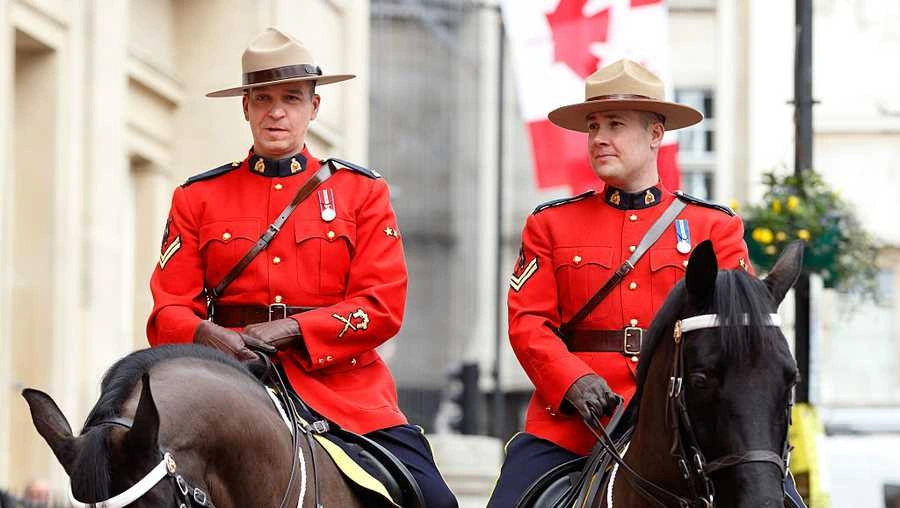
Meet the RCMP: Canada’s Iconic National Police Force
Meet the RCMP: Canada’s Iconic National Police Force | When thinking about national symbols, things like monumental architecture, native wildlife, or flags usually come to mind. However, Canada possesses a highly unique national icon: its very own law enforcement officers. Wearing distinct, vibrant red serge jackets, wide-brimmed brown Stetson hats, and riding majestic black horses, they are the Royal Canadian Mounted Police—more affectionately known worldwide as the Mounties.
Behind their aesthetic ceremonial appearance, which frequently graces tourism postcards, this institution stands as one of the most respected law enforcement agencies in the world. They are far from ordinary street-patrol officers. Their existence is deeply woven into the foundational fabric of Canada, and their responsibilities stretch from bustling urban centers to the freezing, isolated corners of the Arctic.
How did a 19th-century frontier mounted militia transform into a full-fledged, sophisticated modern police force? This article explores the profile, history, and crucial role of the RCMP in securing communities across Canada and the globe.
A Glance Back to 1873: The Birth of the Frontier Guardians
To understand why the RCMP is held in such high regard, we must turn back the clock to 1873. During this era, Canada was a young nation struggling to expand its territory westward. The Canadian West at the time was a wild, lawless frontier, frequently plagued by clashes between illegal whiskey traders, gold prospectors, and Indigenous communities (First Nations).
Recognizing the volatile situation, Canada’s first Prime Minister, Sir John A. Macdonald, decided to establish a specialized paramilitary force named the North-West Mounted Police (NWMP). This very force became the precursor to the RCMP we know today.
Their initial assignment was incredibly specific and challenging: enforce British law across the wild plains, halt the devastating illegal liquor trade within local communities, and foster peaceful relationships with Canada’s Indigenous tribes. Unlike the often repressive military tactics utilized in the American West, the NWMP prioritized diplomacy, impartial justice, and a deep respect for the law.
The success of this force in maintaining peace without mass bloodshed earned them a lasting place in the hearts of Canadians. As the decades passed and various territories joined the confederation, the institution merged with the Dominion Police in 1920, officially becoming the Royal Canadian Mounted Police.
A Unique and Multifunctional Operational Structure
One of the defining features that sets the RCMP apart from police agencies in other nations is its sheer flexibility and vast jurisdiction. In most countries, policing duties are rigidly divided between local (municipal), regional (state/provincial), and national (federal) levels. Canada, however, utilizes a remarkably integrated approach.
The RCMP operates as the national police force while simultaneously executing three primary mandates across different levels of government:
1. The Foundation of Federal Policing
At the highest level, the RCMP holds the reins of Canada’s national security. As a federal agency, they are responsible for investigating complex, large-scale organized crime. This includes dismantling international drug trafficking syndicates, human smuggling rings, financial fraud, and sophisticated cybercrimes in our digital age. Furthermore, their intelligence units work tirelessly to detect and neutralize potential terrorist threats to national sovereignty.
2. Safeguarding Provinces and Municipalities
The true genius of this system lies in its adaptability at the local level. Through specialized contract policing agreements, the RCMP acts as the provincial police force throughout nearly all of Canada, with the exceptions of Ontario and Quebec, which maintain their own independent provincial forces.
This means if you are driving along a highway in Alberta, British Columbia, or Nova Scotia, the officer assisting you at an accident scene is a member of the RCMP. Additionally, hundreds of small towns and urban communities across Canada hire the RCMP to serve as their municipal police department, eliminating the financial burden of establishing standalone local forces.
3. High-Level VIP Protection
The safety of the nation’s leadership rests squarely on the shoulders of this institution. A specialized protective unit within the RCMP is fully responsible for the physical security of the Prime Minister of Canada, the Governor General (the monarch’s representative in Canada), and all cabinet ministers. When foreign heads of state or global dignitaries visit Canadian soil, these elite RCMP personnel establish security perimeters and provide close protection throughout the visit.
Preserving Peace on the International Stage
The contributions of this institution extend far beyond Canadian borders. As part of the global community, the RCMP has built an outstanding reputation through its involvement in international humanitarian and peacekeeping missions.
Since the late 20th century, personnel have been deployed to various conflict zones around the world under the United Nations (UN) flag. Their duties abroad focus heavily on post-conflict reconstruction. Instead of entering combat, these experienced officers are dispatched to train, mentor, and rebuild local police forces in countries recovering from civil war or institutional collapse.
By transferring vital knowledge regarding human rights, modern investigative techniques, and community-policing philosophies, the RCMP has assisted numerous nations in Africa, Asia, and Latin America in establishing fairer, more democratic law enforcement systems.
Living Traditions Amid Modernization
Even though they are a highly sophisticated modern force equipped with advanced patrol vehicles, helicopters, and cutting-edge digital forensics labs, the RCMP has never forgotten its historical roots. The striking contrast between historic tradition and modern policing is exactly what makes them so captivating to the world.
Their legendary dress uniform, known as the Red Serge—a brilliant scarlet wool tunic paired with midnight blue breeches featuring a yellow cavalry stripe—is no longer worn for daily patrols due to practical reasons. However, during formal ceremonies, national parades, or the reception of foreign dignitaries, this uniform is mandatory. The iconic wide-brimmed Stetson hat rests proudly, serving as a reminder of the early eras when their predecessors rode through blinding blizzards to deliver justice.
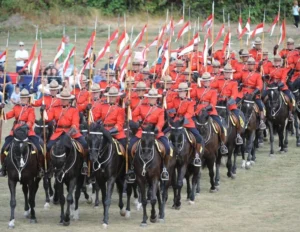
Alongside the uniform, one of the most anticipated cultural traditions globally is The Musical Ride. This is a spectacular display of equestrian skill featuring a full troop of 32 active RCMP officers and their horses. They execute intricate, dynamic choreographies set to music. The performance is far more than mere entertainment; it is a living tribute to the cavalry skills that once allowed the Mounties to navigate and tame the vast Canadian wilderness.
A Cultural Approach: Connecting with Communities

The key to the RCMP’s survival and success for over a century and a half is its profound ability to adapt to the local cultures of the areas they serve. Canada is a massive geographical landscape with incredibly diverse demographics, ranging from multicultural metropolitan hubs to isolated Inuit settlements in the extreme northern territories.
In these remote regions, an RCMP officer often wears many hats. They are not viewed merely as enforcers of the law, but as integral members of the community’s extended family. They attend indigenous community meetings, listen to the wisdom of local elders, and engage heavily in youth outreach programs. This culturally sensitive, inclusive approach has proven highly effective in de-escalating community tensions and fostering mutual trust between citizens and the law.
Naturally, this long journey has not been without its obstacles. Throughout its history, the institution has faced difficult periods regarding internal reforms and public pressure to continually improve social justice for all segments of society. However, their openness to self-evaluation and their willingness to evolve alongside changing times demonstrate the high level of professionalism within the force.
The Royal Canadian Mounted Police serves as a prime example of how a security institution can preserve its rich historical heritage and cultural identity without falling behind the pace of modernization. From a small mounted frontier unit tasked with securing an untamed territory in 1873, they have grown into a multi-tiered, modern powerhouse operating at local, national, and international levels.
The dedication of the Mounties to keeping communities safe by balancing firm law enforcement with a respectful, human-centric approach makes them much more than just a police force. They stand as an enduring symbol of integrity, peace, and national pride woven into the very identity of Canada.

When AI Algorithms Take On Detective Work
When AI Algorithms Take On Detective Work | Law enforcement agencies worldwide are undergoing a significant paradigm shift. Instead of acting only after a crime has occurred (reactive), modern policing now leverages technology to anticipate criminal activity before it happens (proactive). Through Artificial Intelligence (AI) and big data analytics, law enforcement can now optimize their resources with unprecedented efficiency.
How exactly is this technology reshaping police work, and what moral challenges overshadow its implementation? Here is an in-depth look.
The Technological Pillars of Modern Crime Detection

The application of AI in public safety does not rely on a single tool, but rather on a combination of several cutting-edge innovations:
-
Place-Based Analytics: This system operates by dissecting historical crime records, geographic conditions, weather, and community event calendars. Consequently, the AI maps out high-risk “hotspots,” allowing police patrols to be deployed to those locations just in time.
-
Person-Based Analysis: Utilizing specialized algorithms, the system assesses behavioral patterns and past association histories to measure statistical risk. This technology maps out who is most likely to become the next perpetrator or victim of violence.
-
Data Fusion Platforms: This technology integrates various previously fragmented information sources, such as CCTV footage, 911 emergency call audio, and Automated License Plate Readers (ALPRs), making crime patterns instantly recognizable.
-
Natural Language Processing (NLP): With the help of NLP and generative AI, piles of police reports, body camera transcripts, and digital evidence can be cross-referenced and examined in seconds.
-
Real-Time Biometrics: Facial recognition and concealed weapon detectors installed in public spaces help officers identify fugitives or immediate threats live in the field.
Real-World Implementation Across the Globe
No longer just a concept from science fiction, predictive policing is already being utilized by several global security agencies.
In Rio de Janeiro, Brazil, a data analytics platform called CrimeRadar is used to visualize crime risks across the metropolitan area, successfully helping local agencies reduce crime rates. Meanwhile, in the United States, state police departments utilize data fusion platforms to match suspect photos with national databases, cutting investigation times from weeks to mere minutes.
Moving to Europe, the Europol Innovation Lab employs machine learning to track international financial transactions to detect large-scale fraud and dismantle cross-border criminal networks.
The Dark Side of AI: Algorithmic Bias and Privacy Concerns
Despite offering remarkable efficiency, the digitization of law enforcement sparks intense debates regarding human rights and ethics.
The Core Challenge: AI models rely heavily on historical data. If past data shows that a marginalized neighborhood was frequently targeted for arrests, the AI will continually dispatch police back to that area. This creates a feedback loop of over-policing in minority communities.
Furthermore, the accuracy of facial recognition technology remains highly contested. Studies have found higher false-positive rates when scanning faces of people of color, leading to wrongful arrests and violations of civil liberties.
Compounding the issue, the majority of these algorithms are developed by private vendors who keep their source code confidential for proprietary reasons. This lack of transparency makes it difficult for judicial systems to verify the fairness of the technology, triggering global demands—including strict regulatory guidelines from the European Union—to restrict and oversee AI-driven mass surveillance.