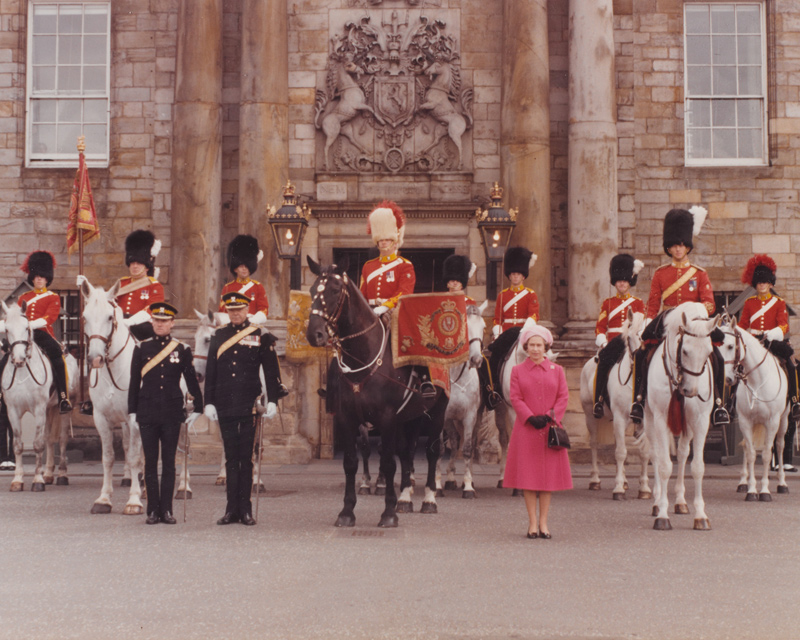
Law and Guards in Historical Kingdoms Royal Enforcement – In historical kingdoms, the power of a ruler was often measured not just by wealth or army size, but by the ability to enforce law and maintain order. From medieval Europe to ancient Asian dynasties, guards and law systems played a central role in keeping the kingdom stable and ensuring the king’s or queen’s authority was respected. These systems were more than just mechanisms of punishment—they reflected the culture, politics, and values of the era.
The Role of Guards in Historical Kingdoms
In every kingdom, guards were the backbone of royal enforcement. Their responsibilities went far beyond simply standing at castle gates or patrolling streets. They were tasked with protecting the monarch, overseeing public order, and sometimes even leading military campaigns. The presence of trained guards served as a visible reminder of the ruler’s power and the consequences of disobedience.
Royal guards were often highly trained and specially chosen for loyalty and skill. In many European kingdoms, elite units like the Yeomen of the Guard in England or the Varangian Guard in Byzantium were tasked with protecting the king personally. Their role extended beyond protection—they acted as enforcers of royal decrees and often executed punishments on behalf of the monarchy. The trust placed in these guards was immense because they were considered the eyes and hands of the ruler.
Law Systems and Royal Authority
Law in historical kingdoms was closely tied to the idea of royal authority. Unlike modern democracies, where laws are created and enforced by elected bodies, historical laws were often decreed by the monarch and backed by the threat of force. These laws could cover everything from taxation to land ownership, criminal activity, and even moral behavior.
Codified Laws and Royal Decrees
Some kingdoms developed codified laws that served as a reference for both citizens and guards. In medieval Europe, for example, local laws often combined Roman law traditions with royal edicts, creating a complex legal landscape. Guards were responsible for ensuring these laws were upheld, often acting as judges in local disputes or assisting in investigations.
Royal decrees were another essential part of the legal system. These orders, issued directly by the king or queen, could establish new laws, impose fines, or demand loyalty to the crown. Guards were the ones who made sure these decrees were enforced, often traveling across regions to oversee compliance and handle any resistance.
Punishments and Deterrence
Punishment in historical kingdoms served a dual purpose: justice and deterrence. Guards enforced penalties ranging from fines and imprisonment to corporal punishment and execution. In some cases, punishments were carried out publicly to send a message to the populace about the consequences of breaking the law.
The methods of punishment varied depending on the era and culture. In European kingdoms, hanging, beheading, or public flogging were common, while in some Asian dynasties, exile or forced labor served as alternatives. Guards were trained to carry out these punishments efficiently, reinforcing the authority of the crown and ensuring that lawbreakers were held accountable.
Types of Guards in Historical Kingdoms
The structure of royal enforcement often depended on the size and resources of the kingdom. Larger kingdoms could maintain standing armies and specialized units, while smaller realms relied on local militias or village watchmen. Despite these differences, certain types of guards were common across regions.
Elite Royal Guards
Elite guards were handpicked for loyalty and skill. They served directly under the king or queen and were often involved in high-level security, including protection during ceremonies, royal travels, and military campaigns. Their status was prestigious, and many received privileges and land for their service. These guards symbolized the strength of the monarchy, acting as both protectors and enforcers.
Local Law Enforcement
In addition to royal guards, historical kingdoms often relied on local officials or watchmen to enforce laws in towns and villages. These individuals were typically appointed by the king or local nobility and were responsible for keeping peace, collecting taxes, and reporting crimes. While they lacked the prestige of elite guards, they played a crucial role in maintaining everyday order throughout the kingdom.
Military Units as Law Enforcers
In times of unrest or rebellion, standing armies or specialized military units often acted as temporary enforcers of law. Kings and queens could deploy these forces to quell uprisings, secure borders, or enforce unpopular decrees. These soldiers were sometimes feared as much as respected, because their authority extended beyond the battlefield into civilian life.
Law and Guards in Action
Historical records show countless examples of how guards and law enforcement shaped the stability of kingdoms. In medieval Europe, royal sheriffs were responsible for maintaining law and order in the king’s name, collecting taxes, and apprehending criminals. Their presence was crucial in regions where travel and communication were slow, and central authority could easily be challenged.
In Japan, samurai acted as both warriors and enforcers of the law. Under the shogunate, samurai maintained order in their domains, executed justice, and ensured the shogun’s decrees were followed. This dual role of military and legal enforcement illustrates how law and order were inseparable from the defense of the realm.
Even in times of peace, guards were essential for preventing crime and maintaining public confidence in the monarchy. The sight of well-trained, disciplined guards reassured citizens that laws were being enforced and that justice could be expected.
The Legacy of Royal Law Enforcement
The systems of law and guards in historical kingdoms have left a lasting legacy in modern law enforcement. Many contemporary police forces trace their origins to royal guards and local watchmen. Concepts like loyalty, hierarchy, and the visible presence of authority continue to influence policing today.
Moreover, historical accounts of guards and law enforcement provide insight into the values and priorities of past societies. They show how rulers balanced authority, justice, and fear to maintain control over diverse populations. Understanding these systems helps us appreciate how law, order, and security evolved over centuries.
Conclusion
Law and guards in historical kingdoms were more than just instruments of control—they were a reflection of the monarchy’s power and the society’s values. From elite royal guards to local watchmen, these enforcers played a critical role in maintaining order, implementing laws, and ensuring the crown’s authority was respected. Whether through codified laws, royal decrees, or the fear of punishment, historical kingdoms relied on their guards to protect both the ruler and the realm. Today, their legacy continues in modern law enforcement, reminding us that the roots of justice and security run deep in human history.