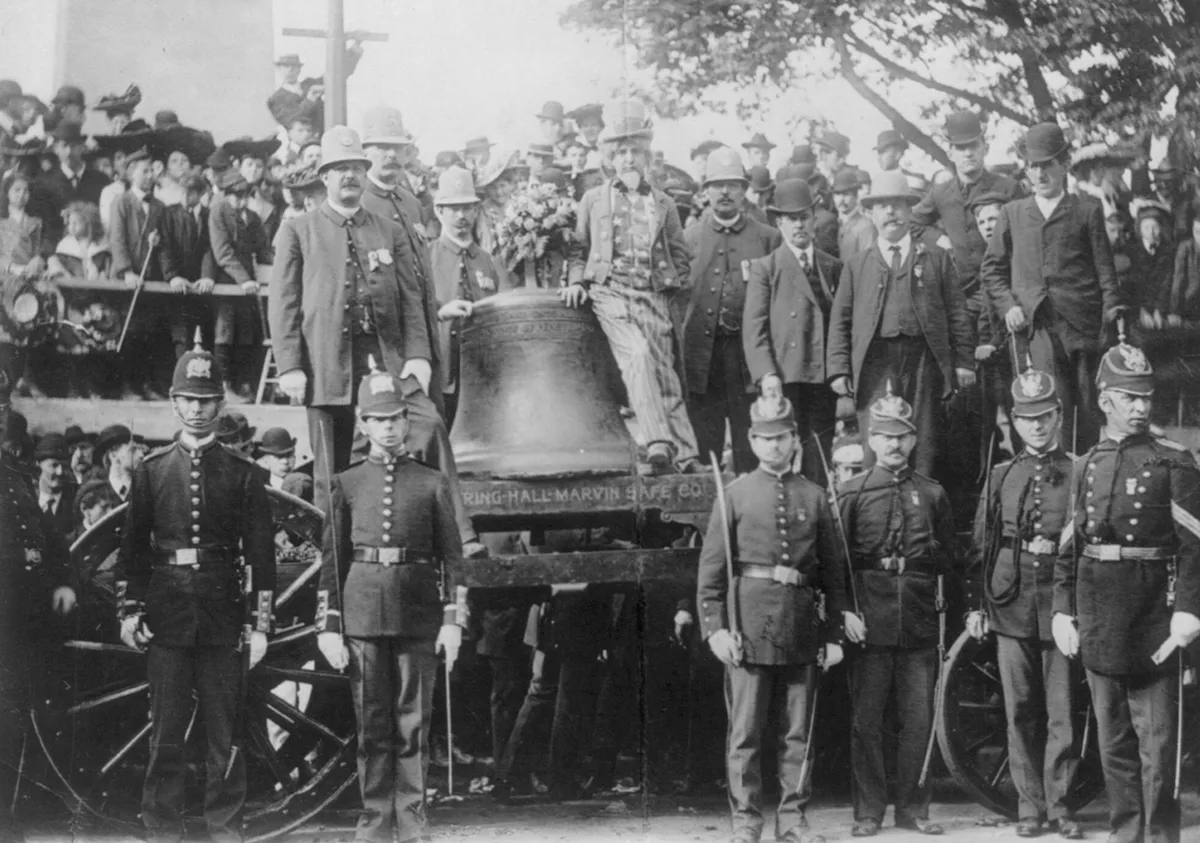
Old Police Traditions and Trends Around the World – Law enforcement has existed for centuries, long before modern uniforms, patrol cars, or digital databases. Across different countries and cultures, police traditions grew from local customs, social structures, and historical needs. Many of these old traditions still influence how policing looks and feels today. Understanding these roots helps explain why police forces around the world operate so differently, yet share common principles.
The Early Roots of Policing
Before formal police departments existed, communities relied on shared responsibility. Villages, towns, and city districts created their own systems to maintain order.
Community Watch Systems in Ancient Societies
In ancient civilizations such as Mesopotamia, Egypt, and China, early forms of policing were closely tied to local leadership. Elders, guards, or appointed officials were responsible for protecting property and enforcing rules. In many cases, citizens themselves took turns patrolling streets at night, a tradition that later evolved into organized night watches.
These early systems emphasized visibility. A watchman’s presence alone often prevented crime. This idea of deterrence through presence is still a core principle in modern policing.
Roman Influence on Law Enforcement
The Roman Empire introduced one of the earliest structured policing systems. The Vigiles, originally firefighters, also acted as night police in Rome. They patrolled streets, handled minor crimes, and kept public order. Their dual role highlights how early police forces were designed to serve practical daily needs rather than just enforce laws.
Many European policing traditions borrowed from Roman administrative ideas, especially the concept of organized patrols and centralized authority.
Traditional Police Practices in Europe
Europe played a major role in shaping what we now recognize as modern policing. However, traditions varied widely between regions.
The British “Bobby” Tradition
One of the most influential policing traditions comes from the United Kingdom. In 1829, Sir Robert Peel established the Metropolitan Police in London. Officers were nicknamed “Bobbies” or “Peelers,” and their approach focused on prevention rather than punishment.
Key principles included:
-
Policing by consent
-
Minimal use of force
-
Strong community trust
Even today, British policing emphasizes approachability, reflected in unarmed patrols and regular foot patrols in many areas.
Continental European Models
In contrast, countries like France and Italy developed more centralized and militarized police forces. The French Gendarmerie, for example, has military roots and operates both as a national police force and a military unit.
This tradition influenced policing across continental Europe, where uniforms, hierarchy, and discipline remain central features.
Policing Traditions in Asia
Asia’s policing history is deeply connected to imperial systems, local customs, and social order.
Imperial China and Administrative Control
In ancient China, law enforcement was part of a broader administrative system. Local magistrates acted as judges, investigators, and police leaders. Rather than relying on patrol officers alone, the system emphasized documentation, reporting, and strict legal codes.
This tradition laid the foundation for modern bureaucratic policing models seen across East Asia today.
Japan’s Koban System
Japan offers a unique blend of old and new traditions. The Koban system, small neighborhood police stations, dates back to the late 19th century. Officers stationed at Koban are deeply involved in local communities, helping with directions, lost items, and daily concerns.
This approach reflects traditional Japanese values of harmony, trust, and social responsibility, making policing feel less distant and more personal.
Police Traditions in the Americas
Policing in the Americas developed under colonial influence but adapted to local conditions over time.
Colonial Roots in North America
Early American policing borrowed heavily from British watch systems. Night watches, constables, and sheriffs were common in colonial towns. In rural areas, law enforcement focused more on land disputes and frontier justice.
As cities grew, police departments became more formalized, shifting from volunteer systems to paid professionals.
Latin American Influences
In Latin America, policing traditions were shaped by Spanish and Portuguese colonial rule. Many police forces adopted military-style structures, uniforms, and training. This legacy is still visible today, especially in national police organizations.
However, community policing efforts have grown in recent decades, blending older centralized traditions with modern reform-oriented approaches.
Traditional Uniforms and Symbols
Police uniforms are more than practical clothing. They represent authority, history, and national identity.
Historical Uniform Designs
Early police uniforms were designed to stand out clearly from civilians. Colors, hats, and badges carried symbolic meaning. For example, the iconic British helmet was meant to appear non-threatening, while still commanding respect.
In many countries, traditional elements such as insignia, ceremonial swords, or specific colors are preserved for official events.
The Role of Symbols in Authority
Badges, crests, and emblems often reflect national history. Eagles, lions, stars, and shields are common symbols representing protection and strength. These visual traditions help reinforce legitimacy and continuity across generations.
Modern Trends Influenced by Old Traditions
While technology has transformed policing, many modern trends are rooted in old practices.
Community Policing Revival
Community-based policing is often described as a modern reform, but it closely mirrors early traditions where officers were part of the neighborhood. Foot patrols, local engagement, and problem-solving strategies all echo historical watch systems.
This trend highlights a return to personal interaction in an increasingly digital world.
Balancing Authority and Trust
Old policing traditions emphasized either community trust or centralized authority, depending on the region. Today’s police forces aim to balance both. Transparency, accountability, and public engagement are modern expressions of long-standing principles.
Countries that successfully integrate historical values with modern expectations often experience stronger public cooperation.
The Global Exchange of Policing Ideas
In today’s interconnected world, policing trends cross borders more easily than ever. Training methods, technologies, and philosophies are shared internationally.
Despite this exchange, local traditions remain powerful. Cultural expectations, historical memory, and social norms continue to shape how police operate in each country.
Conclusion
Old police traditions around the world reveal that law enforcement has never been one-size-fits-all. From ancient watchmen to imperial administrators and community-focused officers, policing has always adapted to society’s needs.
Modern trends, including community engagement and ethical enforcement, are not entirely new ideas. They are evolutions of long-standing traditions refined over centuries. By understanding these historical roots, we gain a clearer picture of why policing looks different across the globe and how past practices continue to influence the future of law enforcement.