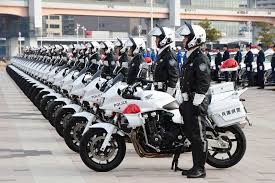
Police Forces in Asia: Structure and Responsibilities – Asia is home to some of the world’s most diverse countries, each with unique cultures, laws, and social systems. It is no surprise that police forces across Asia are equally diverse, shaped by history, government structures, and community expectations. Understanding how police forces operate in Asia provides insight into public safety, law enforcement priorities, and the balance between authority and community trust.
In this article, we explore the structure, responsibilities, and approaches of police forces in Asia, explaining it in a simple and friendly way.
The Role of Police in Asian Societies
Police forces in Asia, like anywhere else, serve the primary purpose of maintaining law and order. They prevent crime, investigate offenses, protect citizens, and enforce laws. However, in many Asian countries, the role of police often extends beyond traditional law enforcement.
In some places, police are involved in community services, disaster management, traffic control, and even social programs. This wider scope reflects both the expectations of the public and the government’s approach to maintaining stability.
Structure of Police Forces in Asia
Centralized vs. Decentralized Systems
One of the main differences in Asian policing is whether the system is centralized or decentralized.
Centralized systems, like those in China, Singapore, and Vietnam, place most authority under a national government. Police operations, policies, training, and promotions are managed centrally. This structure allows for uniform standards and easier coordination in national security matters but can sometimes reduce flexibility in local policing.
Decentralized systems, such as in India and Indonesia, give significant autonomy to regional or local police units. Local authorities manage recruitment, deployment, and day-to-day operations. This approach allows police to adapt to local needs and cultural nuances but can lead to inconsistent standards across regions.
Hierarchical Organization
Asian police forces often follow a clear hierarchical structure. At the top, national-level agencies oversee strategic planning, intelligence, and coordination with other government departments. Regional and local divisions handle operational duties, such as patrolling, investigating crimes, and interacting directly with the public.
For example, in Japan, local police departments report to prefectural police headquarters, which are under the National Police Agency. This structure ensures that local officers receive guidance and resources while remaining accountable to a central authority.
Responsibilities of Police Forces
Traditional Law Enforcement
The core responsibilities of police forces remain consistent: preventing and investigating crimes, arresting offenders, and enforcing laws. These duties include handling theft, fraud, assault, and other criminal activities.
In addition to conventional crime prevention, Asian police often face unique challenges such as smuggling, human trafficking, and cybercrime. Countries with busy ports and borders, like Thailand and Malaysia, prioritize border security as part of law enforcement responsibilities.
Traffic Management and Public Safety
Traffic control is another significant responsibility in many Asian countries. In heavily populated cities like Jakarta, Bangkok, or Mumbai, traffic police play a vital role in preventing accidents, regulating congestion, and ensuring road safety. In some countries, traffic policing is almost a separate branch of law enforcement due to the scale and complexity of urban transportation.
Community Engagement
Community-oriented policing is increasingly emphasized across Asia. In countries like Japan and Singapore, police maintain small local stations or “police boxes,” which serve as accessible points for citizens to report crimes, seek advice, or request help.
Engaging with communities not only helps prevent crime but also builds trust between citizens and law enforcement. Public trust is a critical factor, especially in countries where rapid urbanization and population growth can lead to social tensions.
Special Units and Specialized Responsibilities
Many Asian police forces maintain specialized units to address specific challenges. For example, counter-terrorism units, cybercrime divisions, and narcotics enforcement teams focus on high-risk areas that require advanced skills and equipment.
Some countries also involve police in disaster response, such as during earthquakes, floods, or large-scale accidents. In regions prone to natural disasters, this dual role makes the police a key pillar of both safety and community resilience.
Training and Professional Development
Training standards vary widely across Asia, reflecting differences in resources, government priorities, and policing philosophy. In countries like Japan and South Korea, police training emphasizes discipline, ethics, and community engagement. Officers receive extensive instruction before being assigned to the field.
In contrast, some developing nations face challenges in training and resource allocation. Limited budgets, high demand for personnel, and rapid population growth can strain police effectiveness. Nevertheless, many countries are investing in modernization, including technology-based training, international collaborations, and ongoing professional development programs.
Challenges Facing Asian Police Forces
Despite their structure and responsibilities, police forces across Asia face several challenges. Corruption, public mistrust, and limited accountability can undermine law enforcement efforts. Rapid urbanization and increasing population densities put additional pressure on police resources, especially in megacities.
Cybercrime and organized crime also pose growing threats. Many police forces must adapt quickly to new technologies and criminal tactics, which requires constant training, investment, and strategic planning. Balancing traditional law enforcement with emerging demands remains a central challenge.
The Future of Policing in Asia
Modern policing in Asia is evolving to meet new societal needs. Technology plays an increasing role, from surveillance cameras to predictive analytics for crime prevention. Community policing and transparency are also gaining emphasis, reflecting global trends in law enforcement reform.
Countries are experimenting with new models that balance authority with service-oriented approaches. By strengthening professional standards, improving training, and engaging citizens, Asian police forces aim to maintain public safety while fostering trust and cooperation.
Conclusion
Police forces in Asia are as diverse as the continent itself. While the structure and responsibilities vary, their mission is universal: to protect citizens, enforce laws, and maintain public order. From centralized agencies in China to local community policing in Japan, these forces reflect the unique history, culture, and social needs of their countries.
Understanding how police work in Asia helps explain why policing practices differ so widely. It also highlights the ongoing efforts to improve public safety, build trust, and adapt to modern challenges. Whether in bustling megacities or rural communities, the police play a critical role in shaping the daily lives of people across Asia.