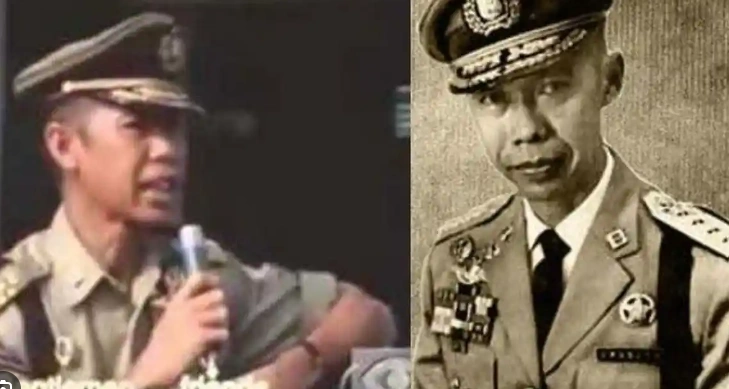
General Hoegeng: Indonesia’s Honest Police Chief | In Indonesia’s modern history, few public figures have earned as much respect for their integrity as General Hoegeng Iman Santoso. Serving as the fifth Chief of the Indonesian National Police (Kapolri), Hoegeng became widely known not for political influence or personal wealth, but for his unwavering honesty, courage, and commitment to justice.
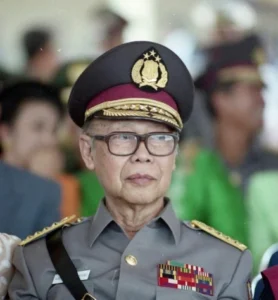
At a time when corruption and abuse of power were becoming increasingly common in public institutions, Hoegeng stood apart. He believed that law enforcement officers should serve the public with integrity, regardless of political pressure or personal interests. His refusal to compromise his principles has made him one of Indonesia’s most admired law enforcement leaders, and his name continues to symbolize ethical leadership decades after his service.
This article explores the life of General Hoegeng, his journey through Indonesia’s police force, the principles that shaped his leadership, and the lasting legacy that continues to inspire public servants today.
Early Life and Education
General Hoegeng Iman Santoso was born on October 14, 1921, in Pekalongan, Central Java. Raised in a family that valued education, discipline, and honesty, he developed a strong moral foundation from an early age.
During his youth, Indonesia was still under Dutch colonial rule. Like many young Indonesians of his generation, Hoegeng witnessed political change, social challenges, and the growing movement for independence. These experiences helped shape his commitment to serving the nation through public service rather than personal ambition.
His disciplined character and dedication eventually led him to pursue a career in law enforcement.
Beginning a Career in Law Enforcement
Hoegeng joined Indonesia’s police force during the country’s formative years following independence.
Throughout his early career, he gained a reputation for professionalism, discipline, and fairness. Rather than seeking rapid promotion, he focused on carrying out his responsibilities with integrity.
Colleagues often described him as a leader who valued honesty above popularity. He expected the same ethical standards from those serving under his command, believing that public trust was the foundation of effective policing.
These qualities gradually earned him greater responsibilities within the national police.
Becoming Chief of the Indonesian National Police
In 1968, Hoegeng was appointed as the Chief of the Indonesian National Police (Kapolri).
His appointment came during a period of political transition and institutional reform. Indonesia faced significant challenges in strengthening public institutions while maintaining stability.
From the beginning of his leadership, Hoegeng emphasized professionalism, accountability, and impartial law enforcement. He believed that the police should uphold the law equally for everyone, regardless of wealth, social status, or political influence.
His leadership style quickly distinguished him from many public officials of his era.
A Leader Who Refused Corruption
Perhaps the defining characteristic of General Hoegeng was his uncompromising stance against corruption.
While many officials enjoyed privileges associated with high office, Hoegeng chose to live modestly. He rejected opportunities to misuse his authority for personal gain and consistently demonstrated that public office was a responsibility rather than a source of wealth.
His refusal to tolerate corruption extended throughout the police force. Officers were expected to perform their duties professionally and honestly, regardless of external pressure.
His example showed that ethical leadership begins with personal conduct.
Key Insight: General Hoegeng believed that integrity could not be negotiated. A police officer’s greatest asset was public trust.
Courage to Enforce the Law
Hoegeng was also respected for his willingness to investigate powerful individuals when necessary.
He believed that the law should apply equally to every citizen and resisted attempts to interfere with criminal investigations.
This commitment occasionally placed him in difficult political situations, but he remained loyal to the principle that justice should never be influenced by power or privilege.
His courage became one of the reasons he is still admired today.
Living a Simple Life
Despite holding one of Indonesia’s highest law enforcement positions, Hoegeng maintained a remarkably modest lifestyle.
He avoided displays of luxury and believed that government officials should live in a manner consistent with the values they expected from the public.
Stories about his honesty became widely known throughout Indonesia. Even after leaving office, he continued living simply, reinforcing his reputation as a public servant who truly practiced what he preached.
His personal example strengthened the credibility of his anti-corruption message.
Leadership Based on Integrity
General Hoegeng’s leadership philosophy was straightforward yet powerful.
He believed effective policing required:
- Honesty above personal gain.
- Equal treatment under the law.
- Accountability for every action.
- Respect for public trust.
- Professional discipline.
- Courage to make difficult decisions.
These principles continue to serve as valuable lessons for modern public institutions.
Why Indonesians Still Remember Hoegeng
Many decades after his service, Hoegeng remains one of Indonesia’s most respected public figures.
His name frequently appears in discussions about integrity, ethical leadership, and police reform. Schools, universities, public institutions, and leadership seminars often cite his example when discussing the importance of honesty in government.
For many Indonesians, Hoegeng represents the ideal public servant—someone who placed national interest above personal benefit.
His reputation has endured because it was built on consistent actions rather than political rhetoric.
Lessons for Today’s Leaders
General Hoegeng’s story remains highly relevant in today’s world.
Modern leaders continue to face challenges involving transparency, accountability, and public confidence. Hoegeng demonstrated that ethical leadership is not achieved through speeches but through everyday decisions.
His example reminds leaders that:
- Integrity builds long-term trust.
- Public service is a responsibility, not a privilege.
- Honest leadership inspires future generations.
- Courage is essential when defending justice.
- Strong institutions depend on ethical individuals.
These lessons extend beyond law enforcement and apply to leadership in government, business, education, and society.
Legacy Beyond His Time
General Hoegeng passed away in 2004, but his influence continues to shape conversations about leadership and public ethics in Indonesia.
His legacy is reflected not only in history books but also in the continued admiration of citizens who see him as a symbol of honesty.
Unlike many historical figures remembered primarily for political achievements, Hoegeng is remembered for something even more enduring—his character.
His life demonstrates that integrity can leave a legacy far greater than power or position.
Frequently Asked Questions
Who was General Hoegeng?
General Hoegeng Iman Santoso was Indonesia’s fifth Chief of the Indonesian National Police, widely respected for his honesty, professionalism, and strong opposition to corruption.
Why is General Hoegeng famous?
He is best known for his integrity, modest lifestyle, and commitment to enforcing the law fairly without yielding to political or personal pressure.
When did General Hoegeng serve as Police Chief?
He served as Chief of the Indonesian National Police from 1968 to 1971.
Why is Hoegeng considered an anti-corruption icon?
Throughout his career, he rejected corruption, lived modestly, and demonstrated that public office should be used to serve society rather than personal interests.
What is General Hoegeng’s legacy today?
His legacy continues to inspire public servants, law enforcement officers, educators, and community leaders who value honesty, accountability, and ethical leadership.
General Hoegeng Iman Santoso remains one of Indonesia’s most respected national figures because he demonstrated that honesty and courage can define true leadership. During his tenure as Chief of the Indonesian National Police, he consistently placed integrity above power, resisted corruption, and upheld the principle that justice should apply equally to everyone.
His simple lifestyle, unwavering ethics, and dedication to public service continue to inspire generations of Indonesians seeking examples of responsible leadership. In an era where public trust is increasingly important, Hoegeng’s story reminds us that lasting respect is earned not through authority or wealth, but through character and integrity.
More than two decades after his passing, General Hoegeng’s legacy remains a powerful reminder that honest leadership is timeless—and that one individual’s commitment to doing what is right can leave a lasting impact on an entire nation.